
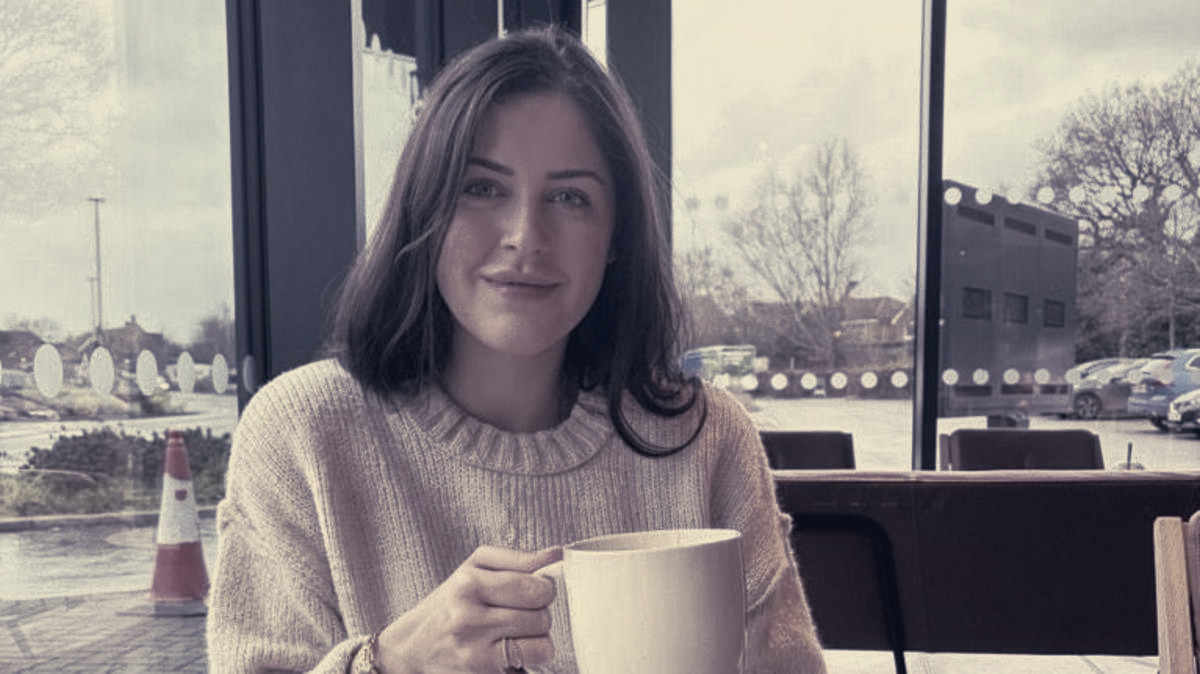
Erin Atkinson, 27, has drawn up a will that names beneficiaries and specific gifts, a move she says will simplify practical and personal decisions for her relatives if she dies. She has left her £7,000 car to her sister, instructed a gold necklace be returned to her partner and set out a donation to an endometriosis charity. The document also records small requests, from a poem to be read at her funeral to a preferred drink, details she says remove guesswork for people left behind.
Atkinson, who works in psychological research at a London university and moved from Bristol four years ago, says the process made her aware of assets she had not thought about, such as premium bonds. "At first it felt quite surreal because you associate wills with older people," she says. "For me, writing a will wasn't about expecting the worst. It was about taking responsibility and making life easier for the people I care about."
The choice to prepare legal instructions remains uncommon among younger age groups. The 2025 National Wills Report found about 20% of 18-to-24-year-olds have a will, rising to 33% of people aged 22 to 34 and 56% among those over 55. Sophia Maslin, founder of the Morby will-writing app, says a frequent misconception is that people must own significant wealth before they need a will. "People believe they don't own enough," she says, adding that savings, pensions, social media accounts and pets are reasons to plan ahead.
Solicitor Eleanor Hodgson of Crombie Wilkinson points to concrete legal benefits beyond dividing assets. Naming an executor gives one person the authority to handle bank accounts, pay debts and carry out funeral wishes without relatives having to navigate extra legal hurdles, she says, and the consequences of not having a will usually become clear only when families face delays or disputes.
Making a will need not be costly. Will Aid runs an annual November scheme where volunteer solicitors waive fees for basic wills, and digital services aim to lower price barriers. Practical steps include choosing beneficiaries and an executor, naming guardians for children under 18 if relevant, arranging care for pets and recording funeral preferences. Documents should be stored safely and someone trusted told where to find them, because a lost will can delay or prevent wishes being followed.
For Atkinson the exercise was both administrative and personal: it clarified overlooked assets and turned informal requests into formal instructions. Those choices, she says, reduce uncertainty for the people she would leave behind.