
The UK government’s decision to ban imports from Israeli settlements will shrink market access for settler-grown produce, threatening export income for farms in the occupied West Bank and prompting Israel to announce retaliatory measures including the closure of the British consulate in East Jerusalem.
London described the move as part of a "comprehensive reset" of its policy toward Israel and said it will also target companies and individuals that provide services tied to settlement expansion. A group of European and Western states, including Canada, Denmark, Finland, France, Iceland, Ireland, Norway, Poland, Portugal, Spain and Sweden, have confirmed their intention to introduce national restrictions or to support broader European limits on trade with settlements. Palestinians voiced strong support for the ban.
Israeli officials rejected the shift. Israel’s foreign minister called the policy "hostile" and announced countermeasures. Settler leaders and some farmers say they will seek alternative buyers; Avigdor Arbel, a date grower from the settlement of Mesua, said his exports go mainly to Europe but also to the US and India, and that when boycotts appear the sector looks for new markets.
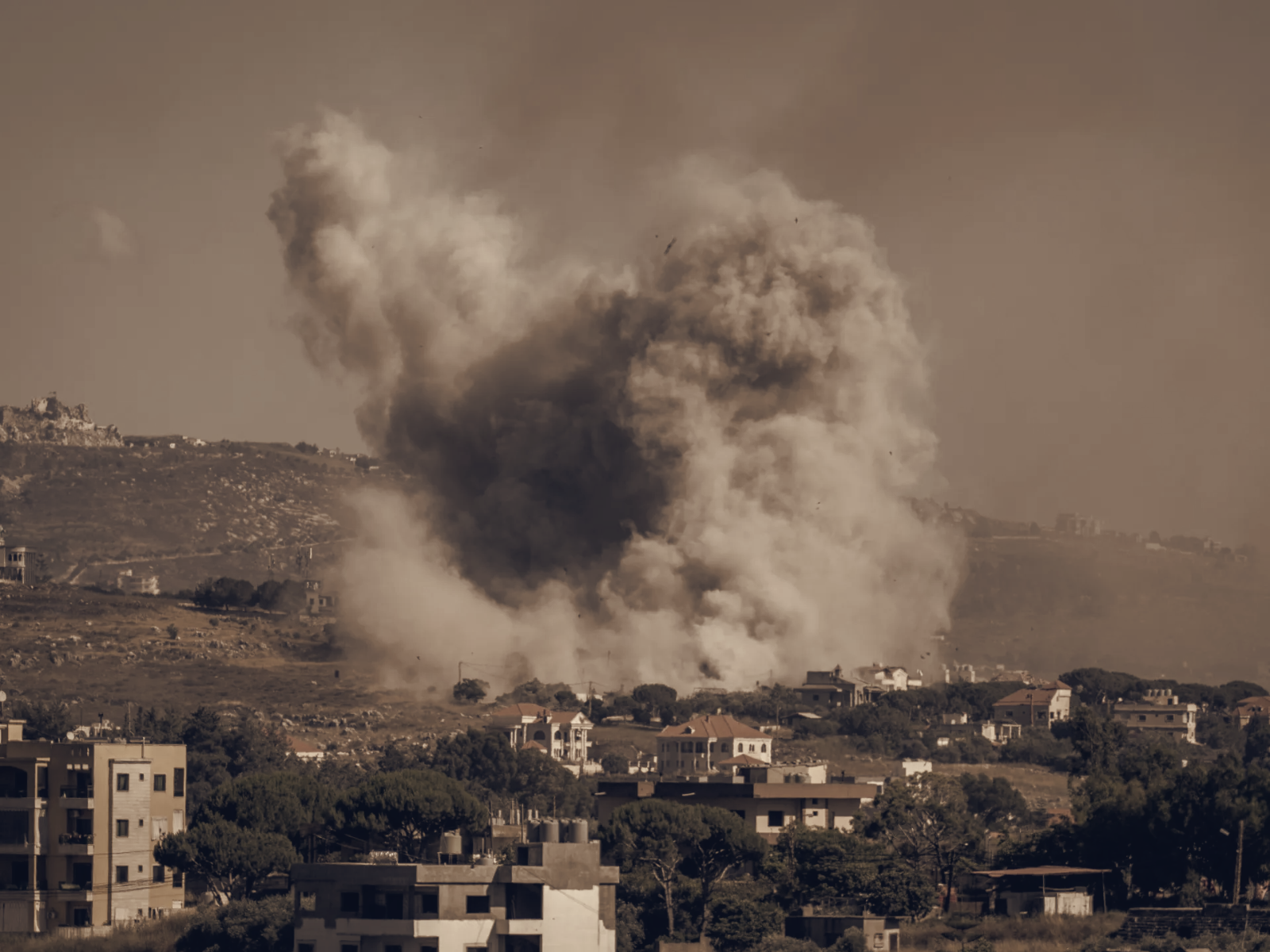
The trade curbs come amid rapid expansion of settlements under the current Israeli government, whose ministers the source says have signalled an intent "to bury the idea" of a separate Palestinian state. The United Nations has said settler violence has reached "an all-time high." New outposts now dot the Jordan Valley and there have been repeated attacks on Palestinians, especially Bedouin and herding communities.
Recent incidents cited in public statements include the forced displacement in January of the last of roughly 600 villagers from Ras Ein al-Ouja after harassment by hardline settlers, described as the largest single displacement of a Palestinian community in three years, and a March night raid on Khirbet Humsa in which a Palestinian shepherd was beaten and sexually assaulted.
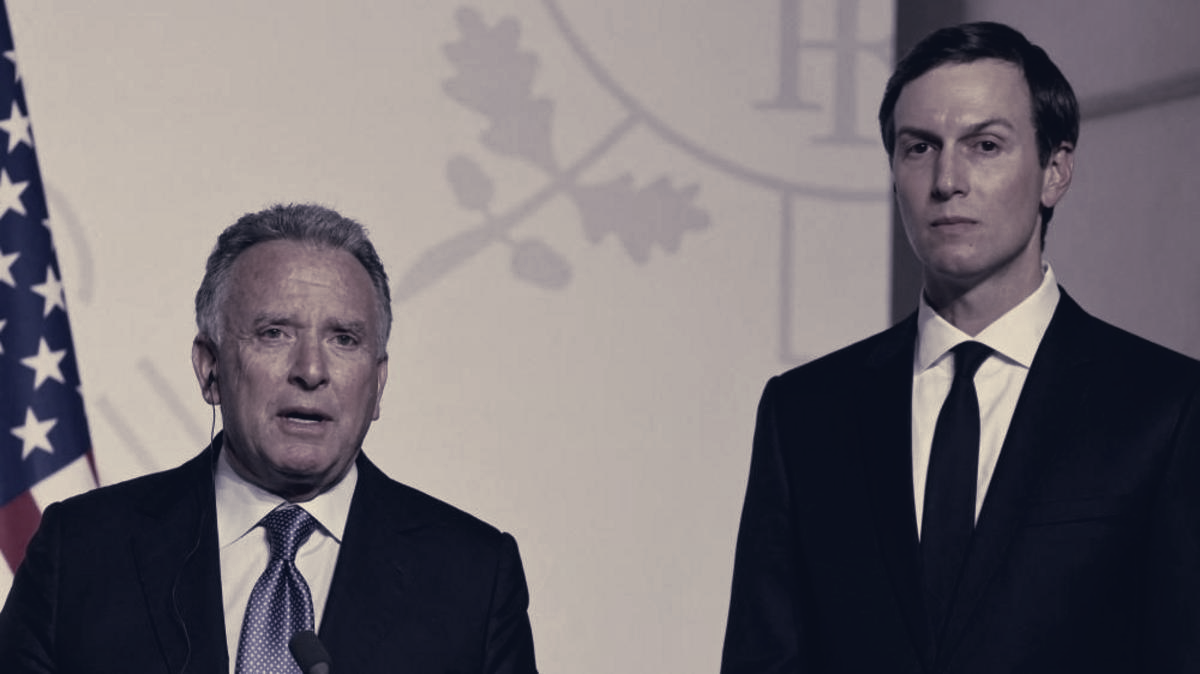
British Foreign Secretary Ed Miliband told Parliament that facts on the ground had been created "to make the two-state solution unviable," and he said the UK agreed with the 2024 International Court of Justice advisory opinion that Israel's continued occupation "is unlawful." Quoting retired brigadier general and former Israeli minister Ephraim Sneh, Miliband said the UK now views parts of settler conduct as ethnic cleansing carried out by "settler terrorists," conduct to which the Israeli government had in his view turned a blind eye or lent support.
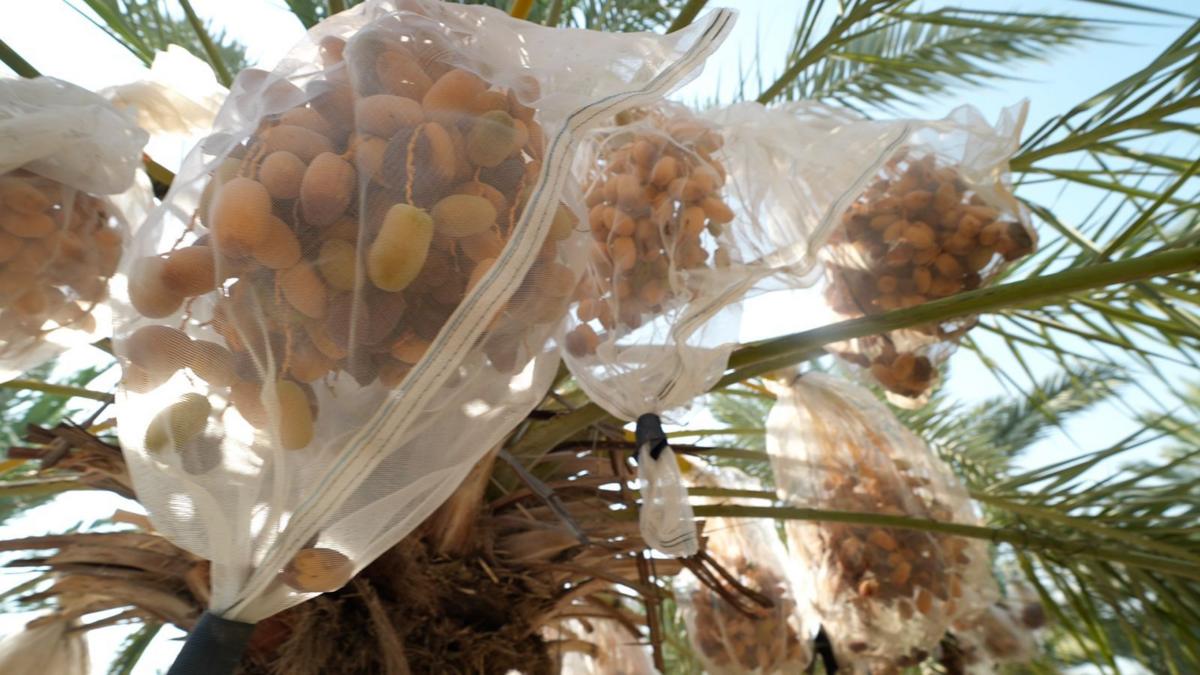
Medjool dates are the principal export from both Israeli settler farms and Palestinian groves in the Jordan Valley. Palestinian farmers say water shortages and restrictions are limiting their harvests. Abdul Halim Abu Omar, who works a grove in al-Ouja, said his trees this year received less than a third of the water they need. Longstanding interim agreements from the 1990s have left a disparity in water access, and Israeli authorities typically prioritise supply for settlers. The Israeli Civil Administration says it keeps "continuous contact" with the Palestinian Water Authority and helps carry out repairs to water infrastructure.
Local Palestinian exporter Momen Sinokrot, who works with 55 date growers in the Jordan Valley and sells to several European countries including the UK, said coordinated bans could slow settlement growth. He warned that settlers were increasingly active in the area, flouting laws and seizing resources from Palestinian fields.
The immediate effect will be commercial: UK supermarkets and importers will need to remove settlement-labelled goods from supply chains, while growers dependent on European buyers may accelerate efforts to find alternate markets. The diplomatic fallout and whether other countries move from intention to implementation will determine how sharply the bans affect settlement expansion.