
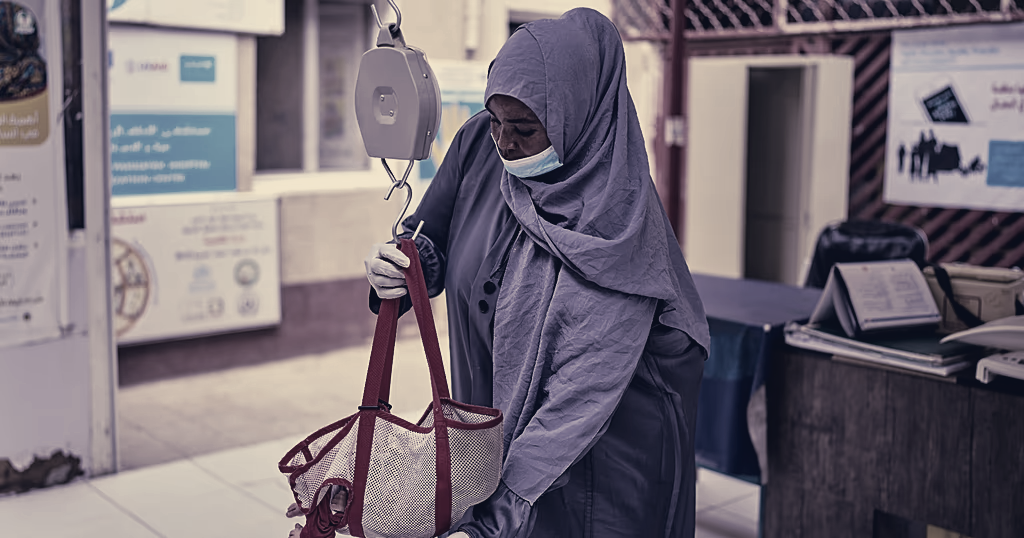
Tens of thousands of Sudanese will lose local health services as funding shortfalls force the closure of 36 clinics and service sites supported by the International Rescue Committee, an action the group says cuts essential care for about 473,700 people.
The closures come amid a wider collapse of Sudan’s health system first battered in the opening 18 months of the war. At its pre-war peak the country had roughly 6,500 primary healthcare centres and 300 public hospitals, but the World Health Organization reported by September 2024 that in the worst-hit areas as many as 70 to 80% of facilities were closed or barely functioning.
Sudan plunged into full-scale conflict in April 2023 when tensions between the army and the paramilitary Rapid Support Forces escalated, a war that aid groups say has killed at least 59,000 people, displaced some 13 million and left parts of the country facing famine. As international funding declined, several humanitarian organisations scaled back or left, shrinking the network of providers available to patients.
MSF, also known as Doctors Without Borders, warned that the withdrawal of donors has left clinics without medicines and operating funds, forcing patients into longer, costly and sometimes dangerous journeys to find treatment. Fabrizio Locuratolo, MSF’s humanitarian affairs manager, said the MSF-supported hospital at Um Rakuba camp in Gedaref State is now the single lifesaving facility for refugees and residents in that area. The camp shelters around 17,000 displaced people and has seen the number of aid groups fall to fewer than 10, from about 35 in 2021, MSF said.
Health officials also warned of mounting infectious disease threats. MSF emergency health manager Ali Almohammed said serious outbreaks are occurring in several regions, with measles in Darfur having reached major outbreak levels and about 75% of measles patients unvaccinated. Cholera and malaria are also circulating.
IRC senior technical health director Mesfin Teklu Tessema said the cuts are depleting remaining capacity, closing facilities and disrupting supply lines for medicines and nutrition treatment. Mohammed Mahdi, IRC director for East Sudan, said a small number of sites can tap short-term alternative funding but that this bridge support is only expected to last through the end of September, leaving the prospect of further closures if donors do not restore funding.