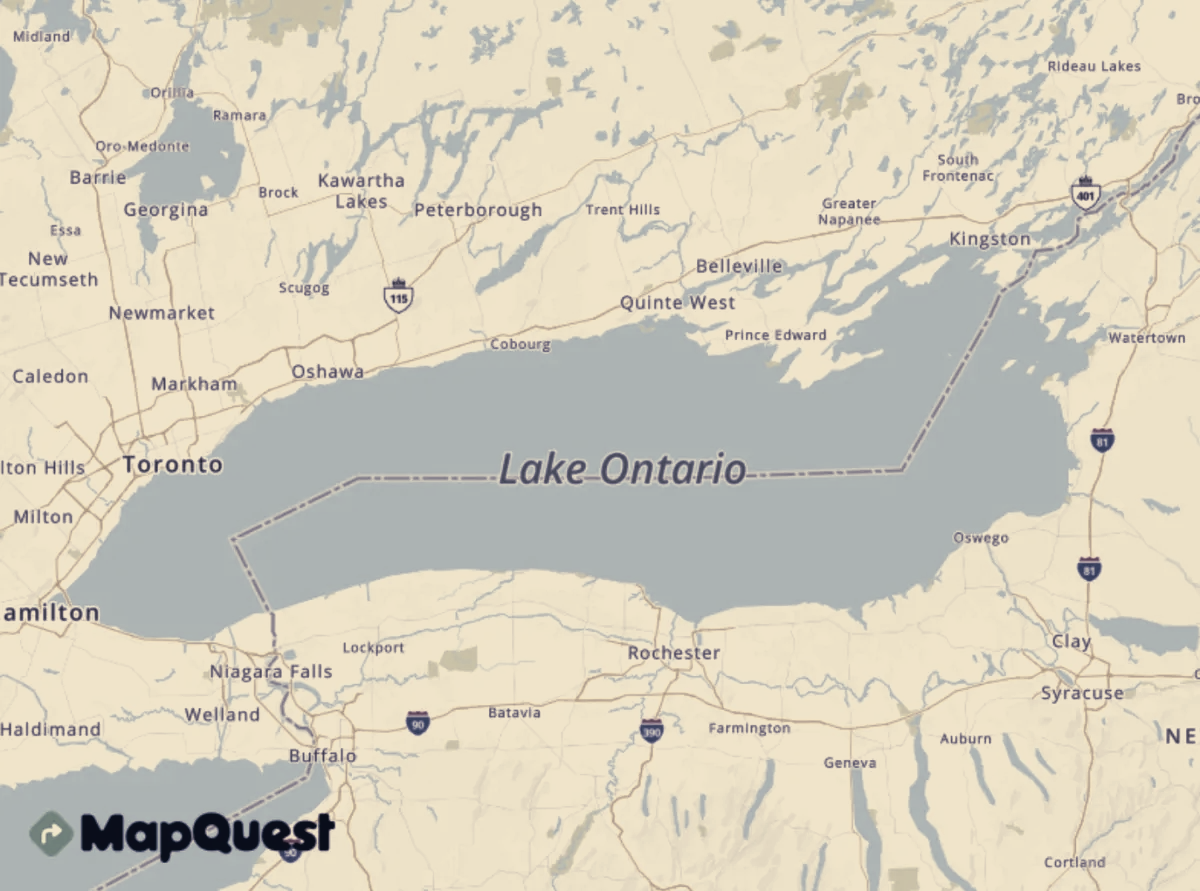

MapQuest gained hundreds of thousands of downloads after it refused to change Lake Ontario’s name, pushing its mobile app to the top of U.S. navigation charts.
The 30-year-old mapping service said usage surged roughly 50 times above normal after it posted, "We're not changing it." on Twitter. Market intelligence firm Sensor Tower recorded the spike: MapQuest logged 184,000 global downloads and 162,000 U.S. downloads in the week starting August 24, each total more than ten times the week before. U.S. daily downloads climbed 128% between August 26 and August 30.
Those shifts translated into rankings. On Monday morning on the U.S. east coast MapQuest was No. 4 among non-game apps in the U.S. App Store, No. 8 overall across apps and games, and No. 1 in the U.S. Navigation category. In Canada the app reached No. 2 overall on Sunday evening.
Doug Berger, MapQuest’s general manager, described the choice as consistent with prior practice. "We took the same approach we did with the Gulf of Mexico: be part of the conversation, and give people an app that keeps the names they're familiar with," he said, adding that, "Hundreds of thousands of people signaled to us this weekend that we got it right by downloading our app."
MapQuest also released a playful tool that lets users rename Lake Ontario and share the result on social media, echoing a similar product it put out after last year’s renaming of the Gulf of Mexico to the Gulf of America.
The naming dispute follows an executive order directing the U.S. Department of the Interior to update the Geographic Names Information System. The move is linked in public reporting to a collapse in trade talks and the imposition of new 50% U.S. tariffs on $20 billion in Canadian goods.
Google Maps said it will display the new name in U.S. views and continue to show Lake Ontario to Canadian users, while people outside the two countries will see both names. Apple Maps had not renamed the lake or issued a statement as of Monday morning.
Sensor Tower also notes broader momentum for MapQuest this year, estimating 687,000 worldwide downloads so far in 2026, a 29% increase year-over-year. The service, which passed through AOL and Verizon ownership before being sold to System1 in 2019, has accumulated 24.4 million installs since 2012, with 97% of those in the United States.
The immediate consequence is simple: MapQuest converted a political stance into new users and chart momentum. The larger implication is whether other mapping platforms will face similar market reactions as political decisions around place names collide with consumer-facing products.