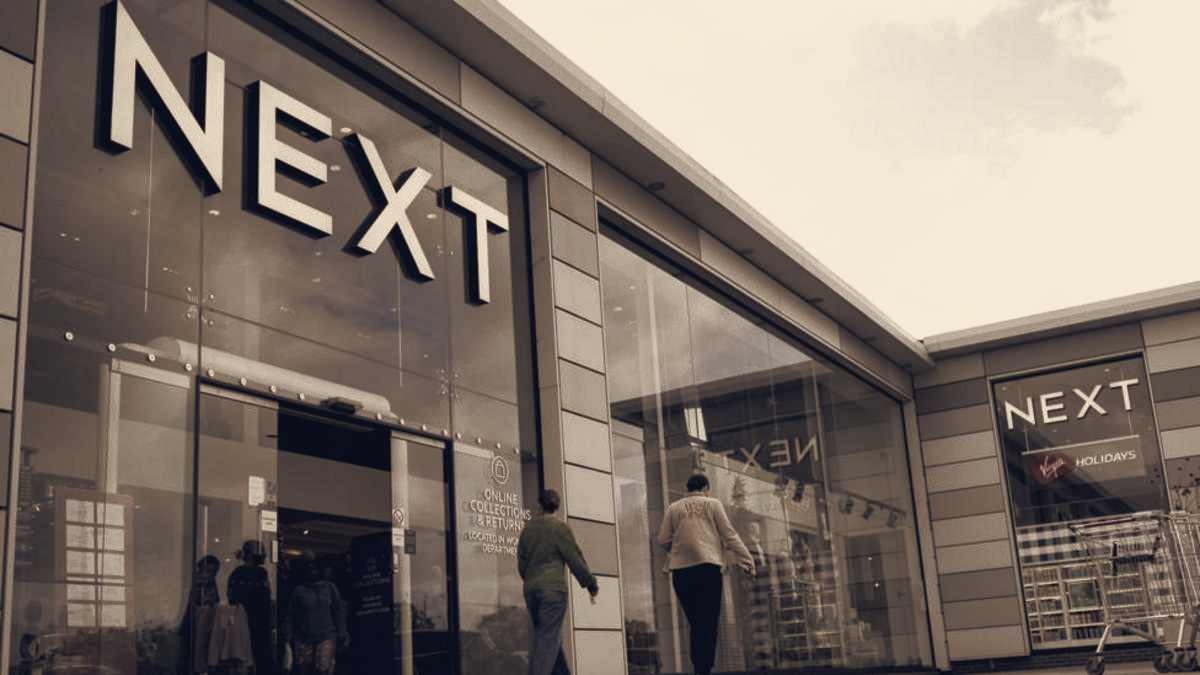

Next will continue paying warehouse operatives a higher basic hourly rate, eliminating the immediate prospect of more than £30m in back-pay awards for over 3,500 current and former employees. The Employment Appeal Tribunal set aside a central finding from a 2024 judgment that had concluded warehouse basic pay should not have exceeded that of shop staff for work judged to be of equal value.
The appeals judges accepted Next's argument that distinct recruitment and retention pressures in its distribution network justified a higher market rate for warehouse roles. Next called the decision a "landmark victory," and said, "The importance of this decision is that the Appeal Tribunal has confirmed that it was justifiable for Next to rely on market forces to distinguish between different groups of employees, where there was a good rationale to pay one group more than the other."
The law firm Leigh Day, which represents the affected store workers, described the outcome on basic pay as "disappointing" and confirmed it will appeal. The appeal did not overturn all of the earlier tribunal's findings; judges upheld parts of the 2024 ruling that relate to night-time premiums, overtime premiums and paid rest breaks, leaving those elements open to further compensation claims.
Both tribunals found no direct sex discrimination in Next's pay structure, a point that matters because shop-floor roles are predominantly filled by women while warehouse roles are mostly male. By approving market-driven pay differentiation in this context, the Employment Appeal Tribunal resolved a key legal question about whether employer reliance on external labour-market forces alone can justify unequal basic pay between groups doing work of equal value.
The judgment will be watched closely across retail. Tesco, Asda, Morrisons and Sainsbury's, parties to similar long-running equal-pay claims, are expected to study the ruling for its implications on their exposure to basic-pay back-pay claims. Next said it will seek permission to appeal the parts of the earlier decision that were upheld, while Leigh Day will press on with its challenge to the remaining findings.
For employees, the appeal narrows one route to large-scale back-pay awards tied to basic pay differences, even as other pay elements and premiums remain contested and capable of producing further liability. Both sides now prepare the next round of legal steps as the wider retail sector reassesses its equal-pay risk.