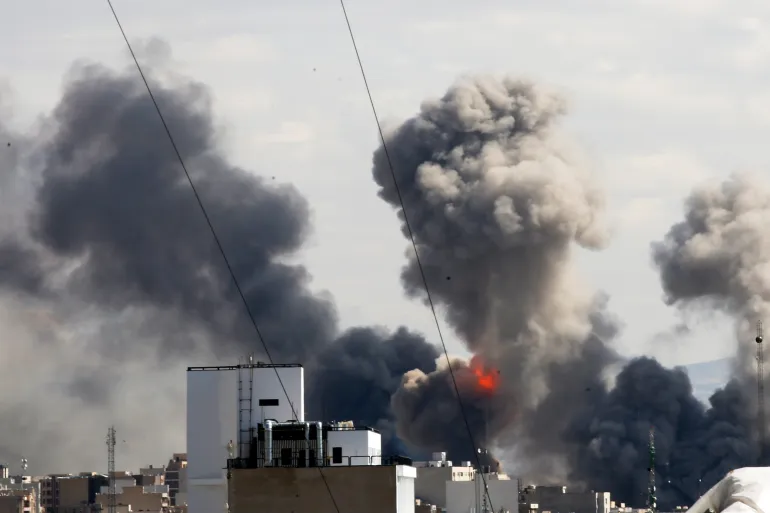

Regional stability is at risk after the International Atomic Energy Agency convened an extraordinary session in Vienna on March 2, 2026. The meeting followed a sharp escalation of tensions, according to africanews, after joint Israeli-US strikes on Iran and Tehran’s retaliatory missile attacks.
The decision to call an extraordinary session brings nuclear oversight into the diplomatic spotlight. The IAEA’s gathering signals heightened international concern about the security environment surrounding Iran, and it increases pressure on capitals to clarify their positions and next steps.
Governments in the region and beyond will watch the Vienna session for any shift in monitoring, reporting, or diplomatic posture that could follow the strikes and counterstrikes.
Details on agenda items or outcomes were not provided in the report, leaving the session’s concrete measures unclear. The sequence of events, as reported, links kinetic military actions to a rapid response from the global nuclear watchdog, underscoring how military escalation can quickly translate into institutional and diplomatic activity.
What happens next will depend on the IAEA’s findings and the responses of member states. The extraordinary session elevates the issue on international agendas and makes any subsequent developments in Tehran, Jerusalem, Washington, and Vienna consequential for regional security and international non-proliferation efforts. Observers and governments will now await the IAEA’s statements and any follow-up steps from states involved.