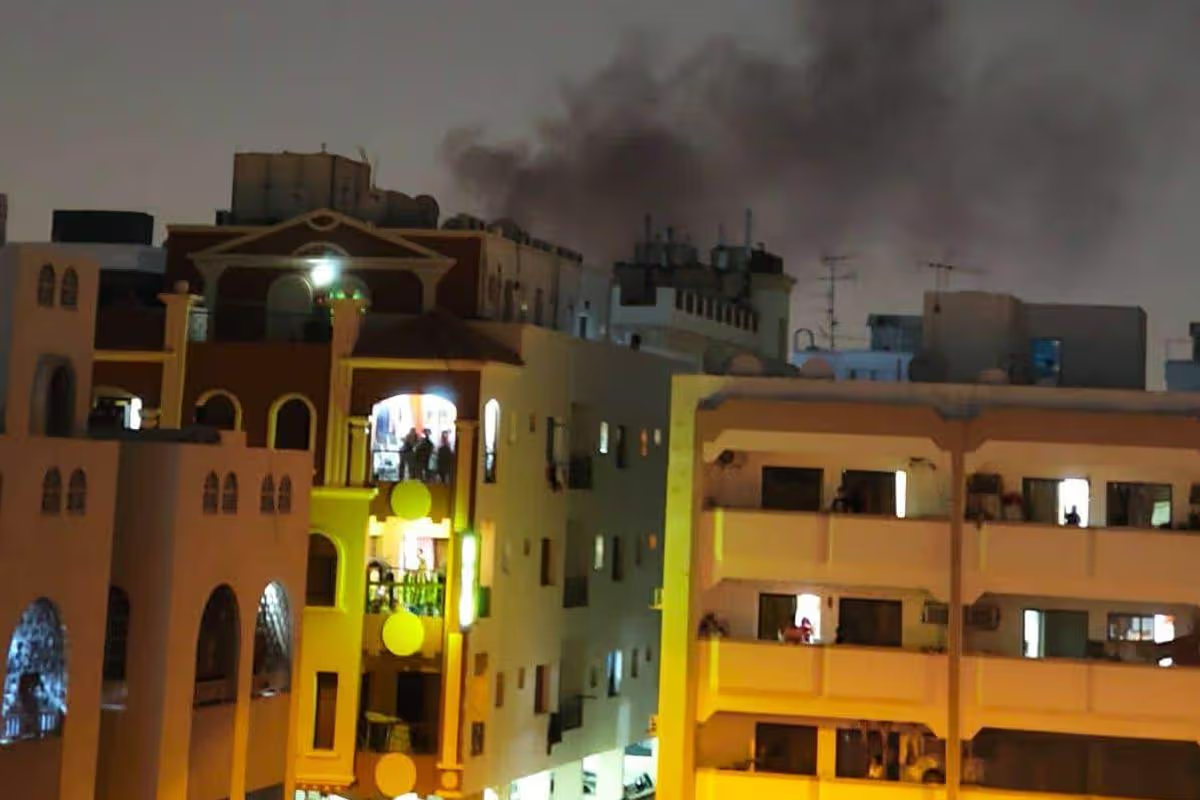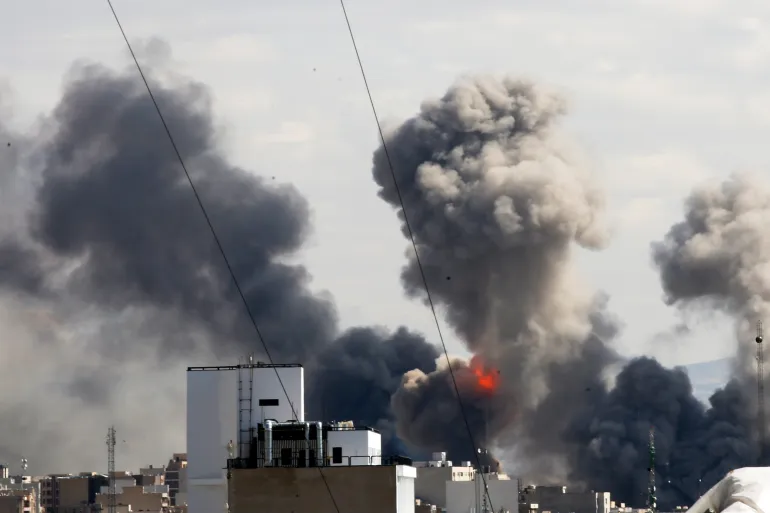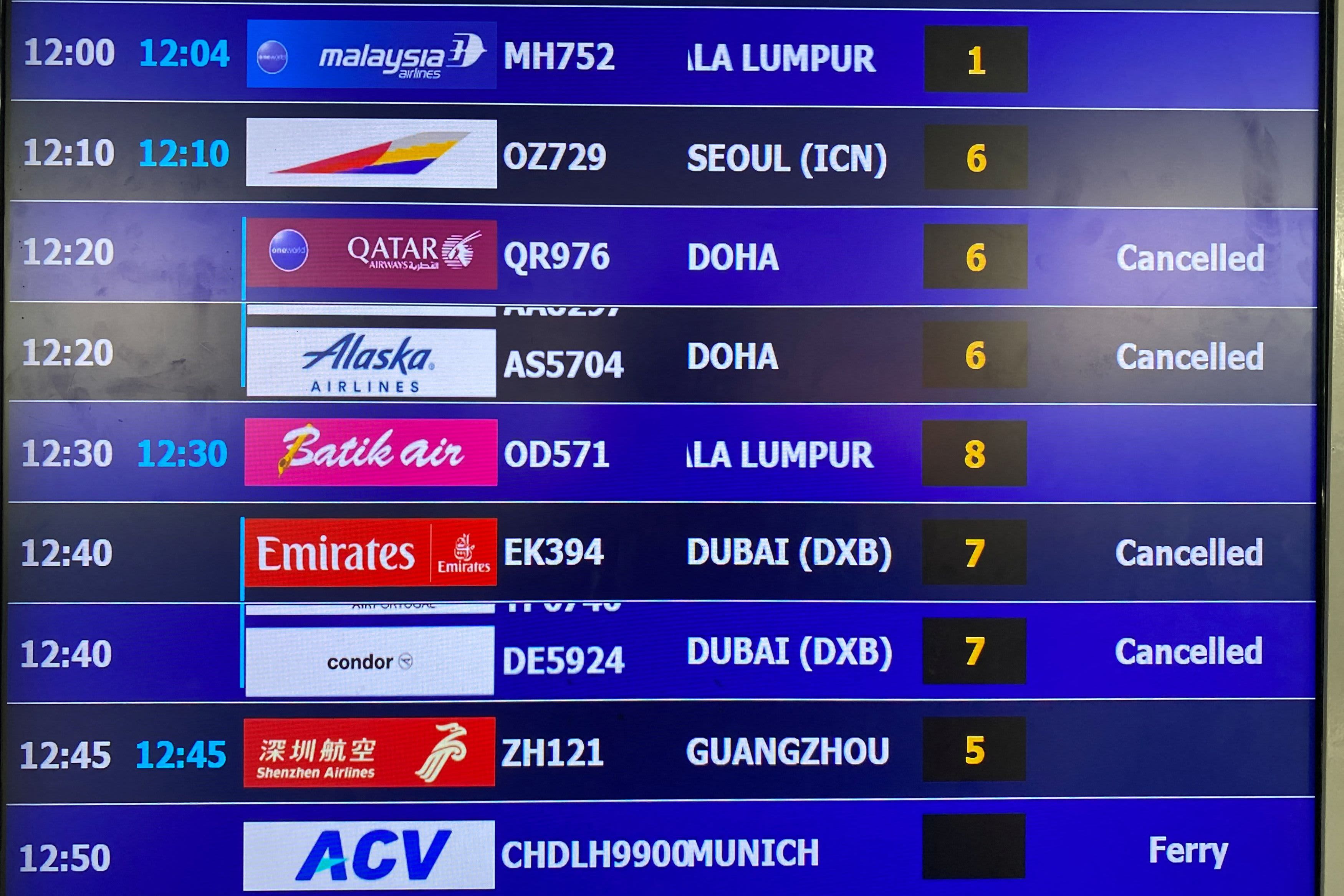

The Islamic Revolutionary Guard Corps stands to determine Iran’s next political and economic direction after the U.S.-Israeli strike that killed Supreme Leader Ali Khamenei, and its sprawling business empire is central to that power. Regionally, the IRGC now drives Tehran’s military response, firing missiles at commercial vessels in the Strait of Hormuz and forcing ship traffic to a near halt through a waterway that carries 20 percent of the world’s oil.
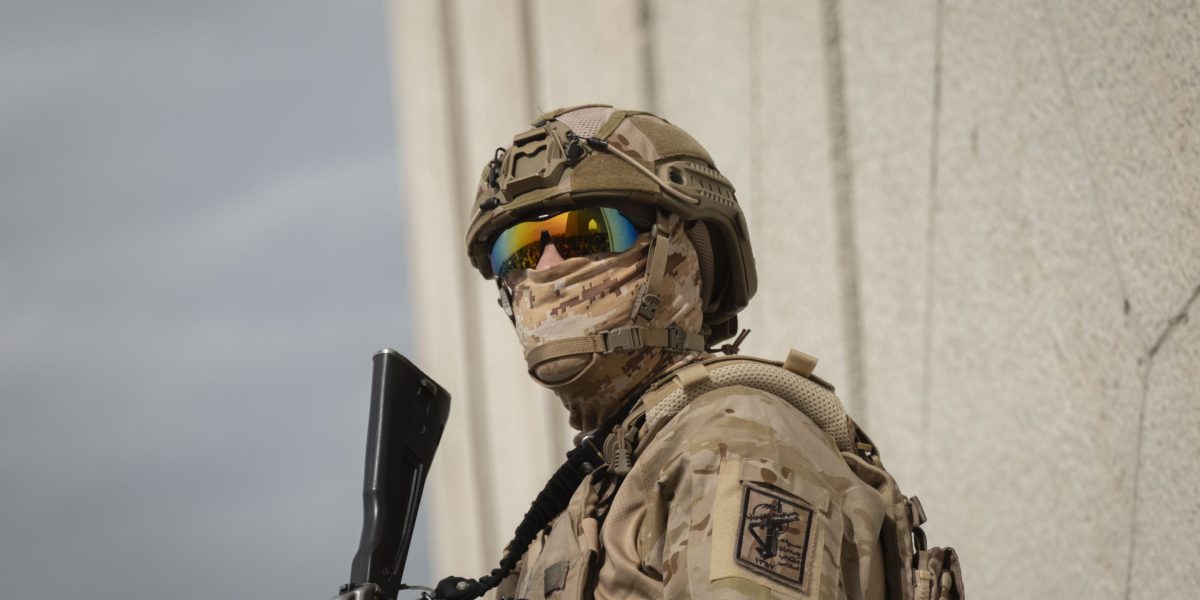
The IRGC began as a paramilitary force after the 1979 revolution to enforce Islamist ideology and suppress dissent, operating parallel to Iran’s conventional armed forces. Over decades it built a diversified corporate structure that bankrolls the regime and its own agenda, moving well beyond purely military roles into core sectors including oil, transportation, banking, telecommunications, agriculture, medicine, and real estate. Affiliates such as the Khatam al-Anbiya engineering firm have built refineries, a railway line, a dam, and a natural gas pipeline, and the IRGC controls Tehran’s international airport.
Foundations affiliated with the IRGC now function as semi-private monopolies. As the Clingendael think tank put it, “What began as vehicles for social justice evolved into corporate-style conglomerates that were shielded from oversight and yet central to the power base of the revolutionary state.” Clingendael estimated those entities accounted for more than half of Iran’s GDP in 2013. Efforts to liberalize the economy instead consolidated the IRGC’s grip, a trend amplified when Western sanctions cut Tehran off from global markets. The IRGC exploited that isolation under the banners of “economic resistance” and “self-reliance,” using cryptocurrencies and clandestine oil shipments to evade sanctions, and engaging in smuggling of alcohol, narcotics, weapons, and tobacco, according to a 2024 Janes report.
Iran’s economy was already in crisis before the latest strikes, after the rial lost 60 percent of its value following a 12-day war with Israel in June, inflation surged, blackouts became common, and drought worsened shortages. The currency collapse sparked protests in late December and early January, which the regime, with IRGC involvement, suppressed with mass killings of civilians. President Donald Trump has appealed directly to elements of Iran’s security apparatus, offering immunity to those who lay down arms, while vowing support to protesters, a posture that helped precipitate the current U.S.-Israel bombing campaign. With the IRGC both directing military retaliation and controlling key economic levers, it will be the decisive actor shaping who leads Iran and how the country weathers the coming weeks, while regional shipping and global energy markets remain at risk.