

Mario Vargas Llosa's final novel, I Give You My Silence, is a quirky primer on Peruvian music and culture, written as a love letter to his native country.
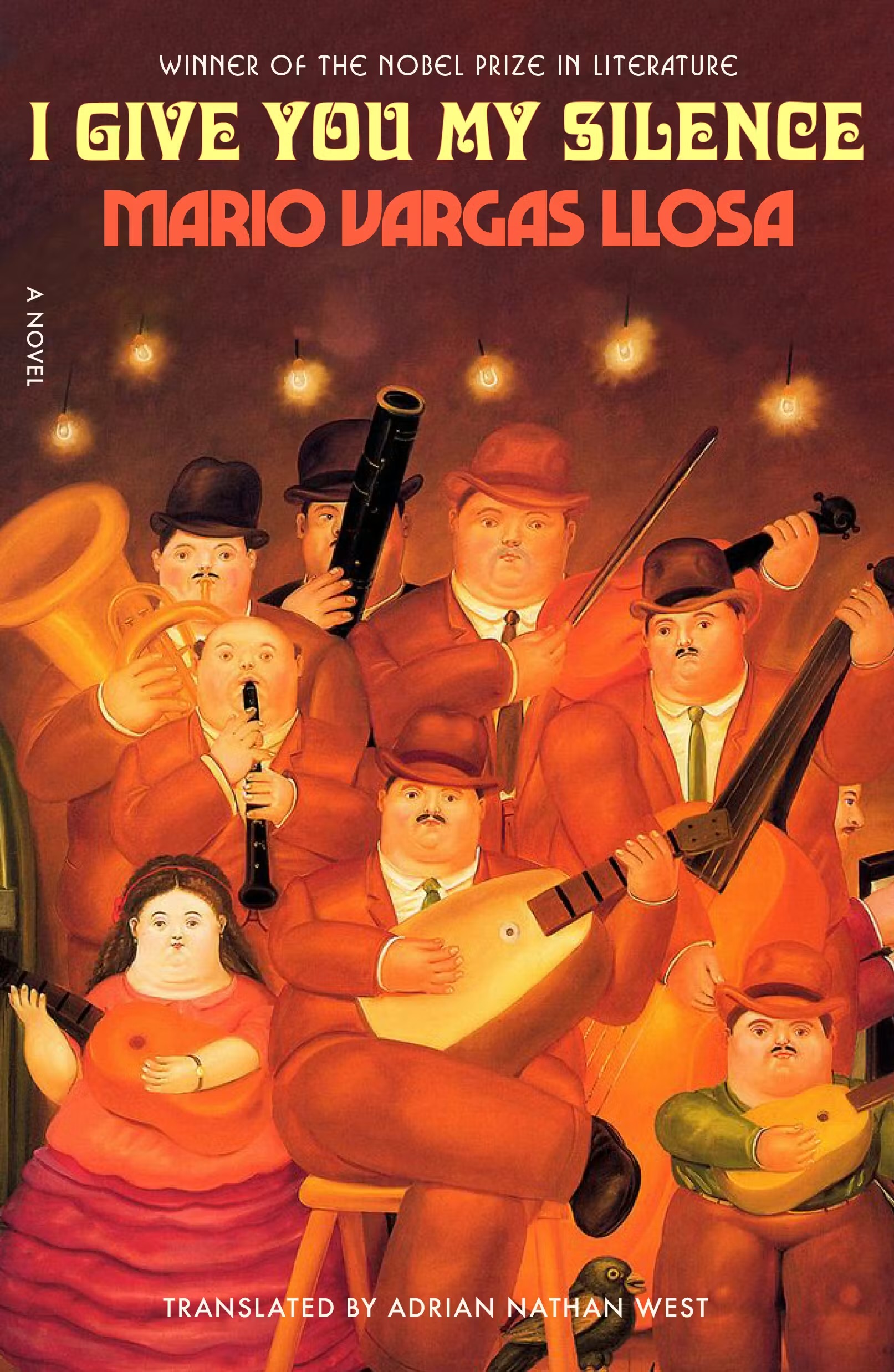
The book's author, who died last year at the age of 89, predicted that it would be his last novel when it was published in Spanish in2023.
The novel's hero, Toño Azpilcueta, is a music journalist who becomes obsessed with the vals, a Peruvian musical style that combines European, African, and indigenous Latin American traditions.
Toño's mission is to write a biography of an unknown guitarist, Lalo Molfino, who has recently died, and in doing so, he hopes to prove that the vals can save Peru and possibly humanity.
His quest involves research, interviews, and a journey along Peru's Pacific coast, as well as battles with his own demons, including a phobia of rats.
The novel is structured as two books in one, with odd-numbered chapters following Toño's attempt to research and write the biography, and even-numbered chapters forming a primer on Peruvian music and culture.
The novel includes essays on the history of the vals, the lives of the musicians who created it, and the concept of huachafería, which holds huge significance for both Toño and Vargas Llosa.
Huachafería is defined as pretension, but Toño sees it as a key part of Peru's identity, describing it as "intuitive, verbose, solemn, melodic, imaginative and above all maudlin."
This description also applies to the book that Toño is writing, which includes grandiose and impossible claims about the power of the vals to bring about revolution and equality.
Despite the absurdity of Toño's mission, he approaches it with a heroic single-mindedness that wins the reader over.
The novel's form allows Vargas Llosa to have his cake and eat it too, giving Toño space to explore his ideas in detail while also pointing out their flaws.
For example, Toño's story of a love affair between a white man and a poor black woman is meant to illustrate the redemptive power of the vals, but the couple themselves gently push back against Toño's efforts to make them emblematic of anything.
Vargas Llosa's own verdict on Toño's attempt to save the world through music is nuanced and tender, reflecting his own idealism and failed mission to save Peru through politics.
The novel suggests that gentle, impractical dreamers like Toño bring their own kind of changes into the world, and by the end of the book, the reader is inspired to learn more about Peruvian music and culture, and to follow Toño's journey up the Pacific coast of Peru.