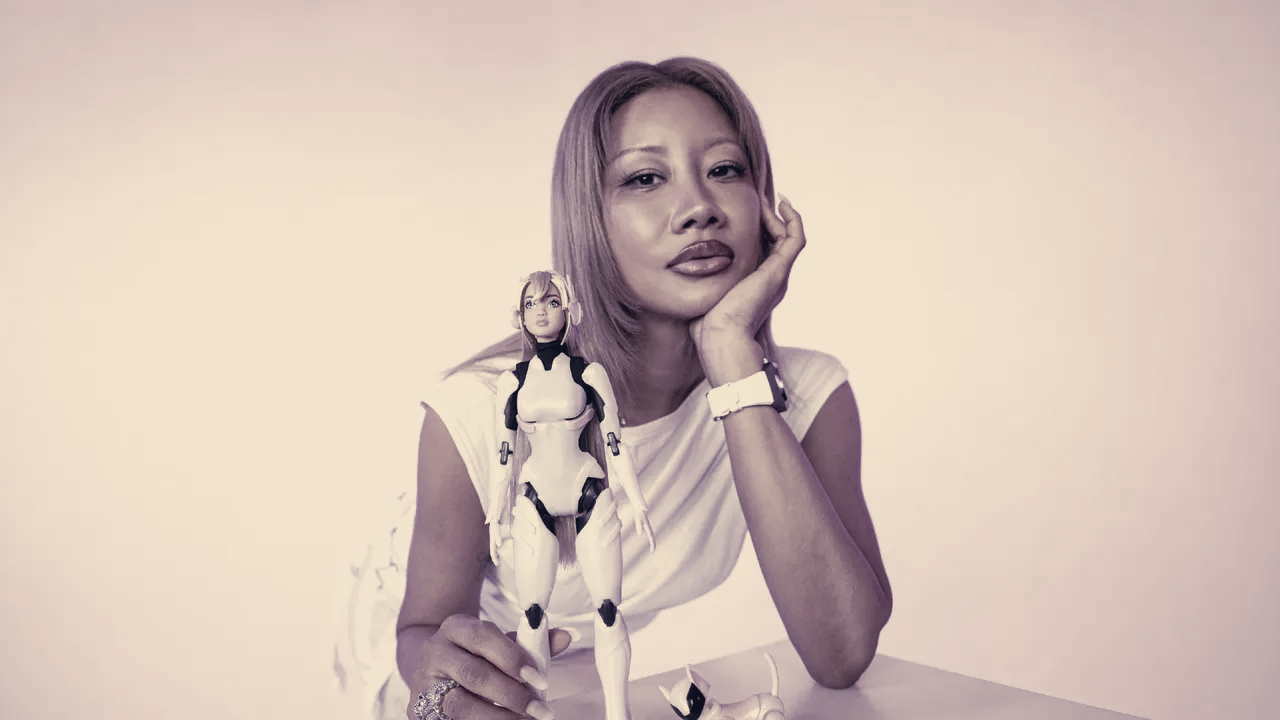

Barbie becomes a humanoid, shifting the doll from a fashion cameo into a platform for tech-forward world-building. The change comes from Ambush designer Yoon Ahn, who developed Prototype 001 as a robotic interpretation of the toy rather than a literal designer likeness. Ahn spoke from Tokyo about an approach shaped by construction and modification rather than by conventional doll play.
She described an early habit of altering dolls, "When it came to Barbie, I think I became a little more creative by trying to change their character by cutting the hair, cutting up the outfits," and she brought that impulse to the Mattel collaboration that began when the company approached her three years ago. Ahn resisted producing a self-portrait version of the doll. "I looked at the other collaboration designers, and it’s always been some sort of likeness of them, with the brand outfit and everything," she said, framing her aim to leave Ambush’s imprint through larger imaginative context.
Prototype 001 pairs a hime-style blonde cut with a pink headset, polished metallic armor and a mechanical cat companion. Ahn cites anime, science fiction uniforms and contemporary art as influences, highlighting Mariko Mori as a touchstone. "Her work often explores the themes of technology, spirituality, and transcendence," Ahn said, using that practice to raise questions about embodiment that sit at the heart of her design.
Ahn positions the doll as neither celebration nor warning, but as inquiry. She notes toy history as precedent, referring to Sega Toys’ iDog in 2005 as an early move toward interactive play, and asks, "How is that different from humanoids?" That question frames Prototype 001 as an experiment in how toys and fashion might positively incorporate robotic aesthetics.
She calls the piece, "In the history of Mattel, it’s probably the first humanoid Barbie," and describes the collaboration as, "optimism for futurism," signalling a deliberately upbeat stance on technology’s place in play and style. The project signals a shift in what designer collaborations can do, positioning future partnerships as opportunities to reimagine cultural objects rather than to reproduce designer likenesses.