
Who loses? West Bank Palestinians, the play insists, as a simple family errand becomes a trial of control and indignity. Onstage at Assembly George Square studios in Edinburgh, writer and performer Alaa Shehada transforms a short journey into an extended encounter with checkpoint power, petty bureaucracy and daily humiliation.
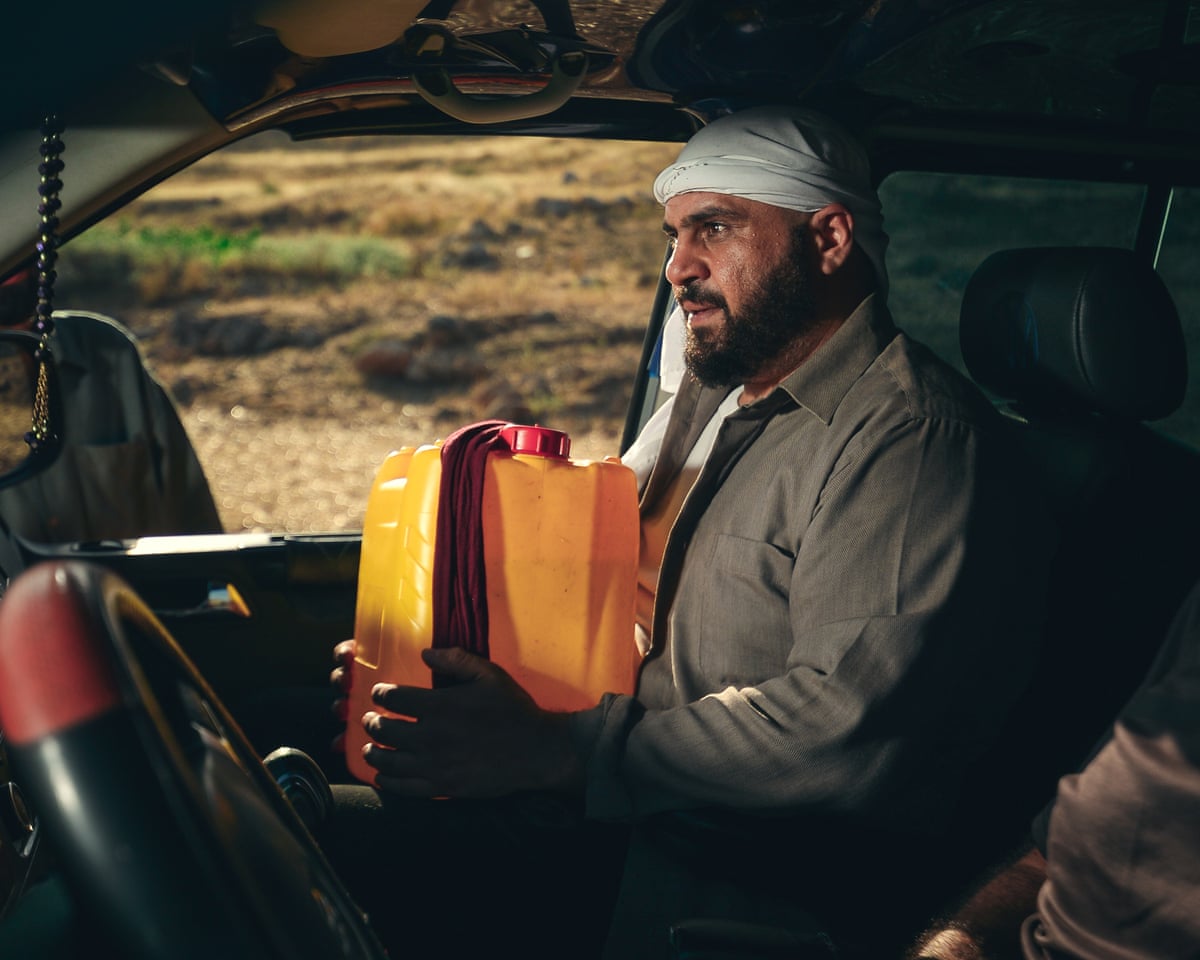
Shehada frames the action as a modest mission: carry a plastic jerry can of the family’s home-pressed olive oil to an aunt in Jordan. What should take a few hours in most places stretches into an odyssey because of the 180 metre crossing known variously as the Dignity Bridge, the Allenby Bridge and the King Hussein Bridge. That geography carries the show’s argument, every name marking a stake in whose movement is policed.
With a cartoonist’s attention to manner and a campaigner’s ear for injustice, Shehada inhabits a gallery of characters, from a self-important taxi driver to the smothering old woman beside him, and the cold-eyed Israeli teenagers who staff the checkpoints. The stage is humid, the air conditioning weak, and the rituals of travel become an arsenal of papers, passports, receipts and tickets, each item a potential barrier. The cumulative effect is relentless: arbitrary closures, long queues, random arrests and rules that strip agency from travellers.
Co-written and directed by Sam Beale for the Palestine Comedy Club, The Bridge follows Shehada’s earlier show The Horse of Jenin. It is more focused and milder in form, yet it keeps the same political urgency. The olive oil at the centre of the story functions as more than a parcel, it stands for a land Shehada says is being bulldozed by settlers to this day. The performance mixes broad physical comedy and sharp observation, so the laughter lands, then hardens into anger.
Audiences leave with that double register intact: they have been entertained and confronted. The Bridge stages how everyday tasks become battles under occupation, and it insists the costs of those battles are not abstract, they are lived and carried in simple jars handed from hand to hand.