

What is at risk? The exhibition can either undermine Eurocentric narratives or reinforce them, depending on how curators resolve two conflicting briefs. One brief demands a move away from Europe as the default framework, the other asks the show to demonstrate Bruges as a hub inside international networks. Those aims point in different directions, and their collision defines the exhibition’s stakes.
The contradiction is not merely academic. Decentering Europe requires foregrounding non-Western actors, networks and perspectives, and interrogating the assumptions that have long framed European history as the core. Demonstrating Bruges’s centrality, by contrast, tends to place the city again at the center of flows and connections, potentially recapitulating the very centrality the project is meant to dismantle. Curators must choose whether the city’s prominence serves as a case study in entangled global histories or as evidence that Europe remains indispensable.
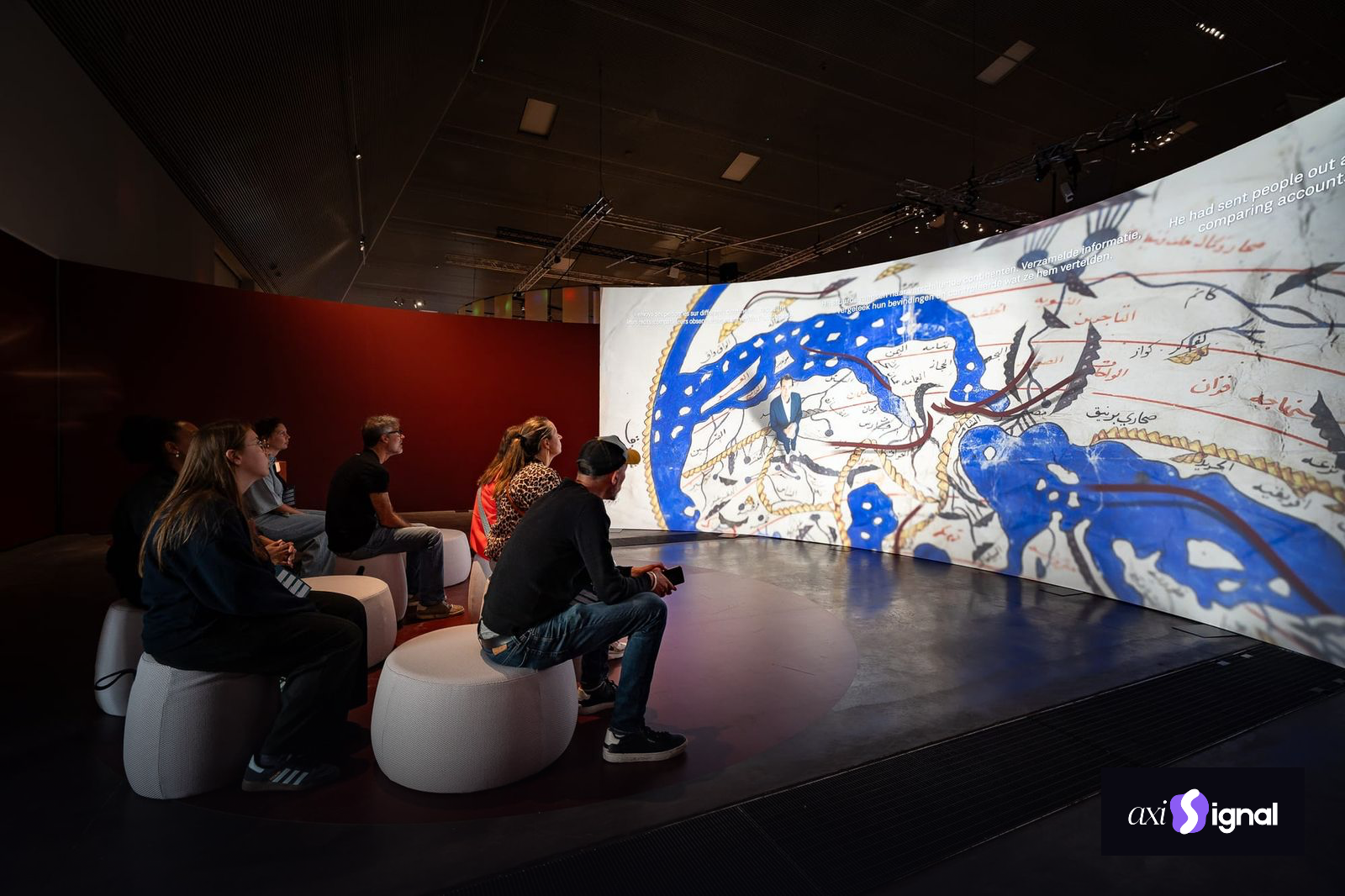
That decision shapes audience experience. Visitors will read the show as either a corrective that redistributes historical agency, or as a civic narrative that celebrates Bruges’s reach. If the exhibition stitches together both agendas without a clear argumentative throughline, it will leave viewers with mixed signals, weakening its claim to intellectual rigor. A coherent framing could, however, use Bruges as a lens to expose how power, exchange and cultural influence circulated beyond simple center and periphery models.
The exhibition also matters for institutional practice. Museums and cultural organisers increasingly promise to reframe Eurocentric histories, yet few projects confront the practical tension of promoting local heritage while decentering Western dominance. How this Bruges show handles that tension will inform future curatorial strategies for sites that are simultaneously local landmarks and nodes in wider networks.
What happens next is straightforward, and consequential. The curatorial choices on display will determine whether the exhibition advances a credible model for de-emphasising Europe, or whether it becomes a case of good intentions undone by competing mandates. Public response and critical appraisal will test whether the show succeeds at both aims, or whether one brief will eclipse the other.