
The planned 250-foot triumphal arch will move beyond a civic monument toward a security installation, President Trump said, describing revisions that would let it store drones, place snipers on its roof and plaza, and hold substantial sniper ammunition. He framed the redesign as driven by military need, saying he is changing the plan at the "strong request" of the US military and for "national security purposes."
Posting on Truth Social, Trump called the proposal a "top grade" military complex and wrote the arch would "house, store, and have the rapid ability to use large numbers of drones, plus Snipers, on both the roof and plaza areas, and additionally have and hold large quantities of sniper ammunition in storage." He added, "There will be no facility like this anywhere in the World."
The arch is planned for a site across the Potomac River from Washington, just outside Arlington National Cemetery. Early design images released earlier this year showed a 250-foot structure topped by a golden, winged Lady Liberty, flanked by two gold eagles, with the inscriptions "One Nation Under God" and "Liberty and Justice for All."
At 250 feet, the proposed arch would tower over the 99-foot Lincoln Memorial and reach roughly half the height of the Washington Monument. Trump did not provide a construction timetable or technical specifications for the revised design, and his post did not make clear whether the project would require additional federal approvals given its described role in storing and deploying military equipment.
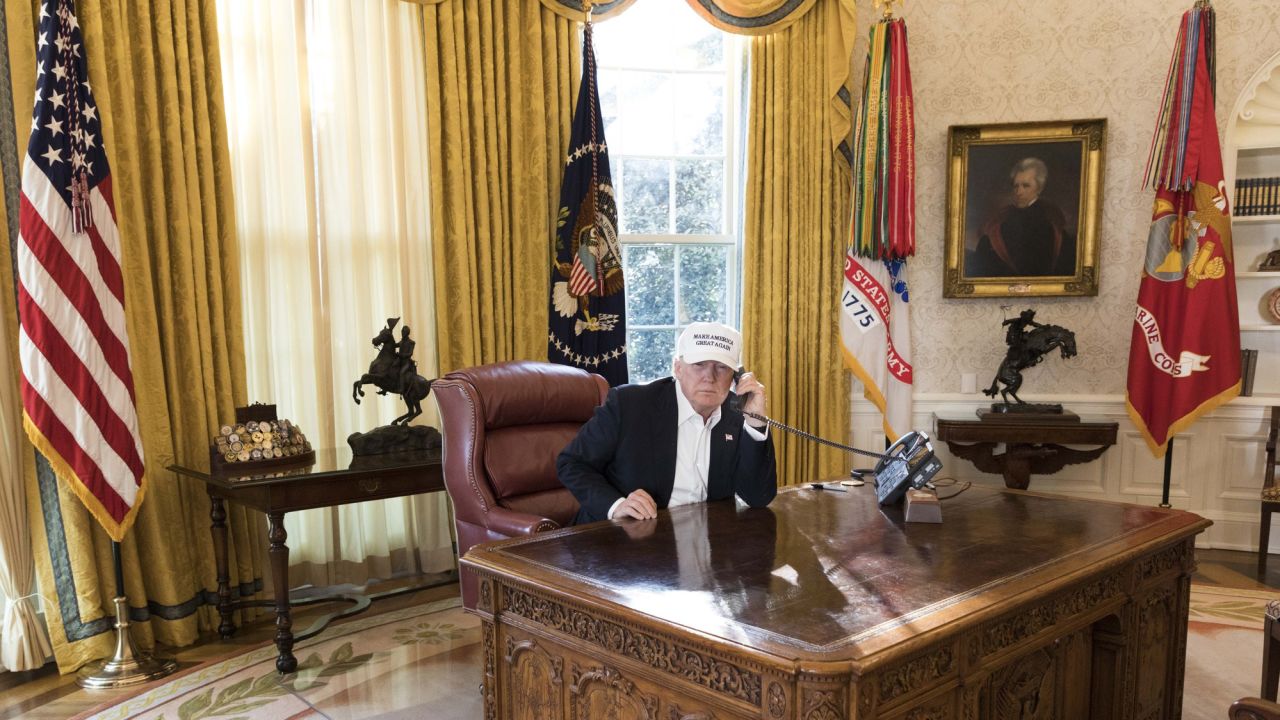
The Department of Defence was contacted for more information on the updated plans. The arch is one of several high-profile alterations to the capital pursued during Mr Trump’s second term, following a gilded Oval Office redesign, a proposed White House ballroom with an estimated $400m budget, paving work in the Rose Garden, and renovation of the Lincoln Memorial Reflecting Pool.
Construction had been expected to begin this month, but the inclusion of an explicit security function creates new questions for federal agencies and local planners about scope, oversight and legal authority before work can proceed. With no technical details or timeline supplied, the project's next step depends on those reviews and any required approvals.