
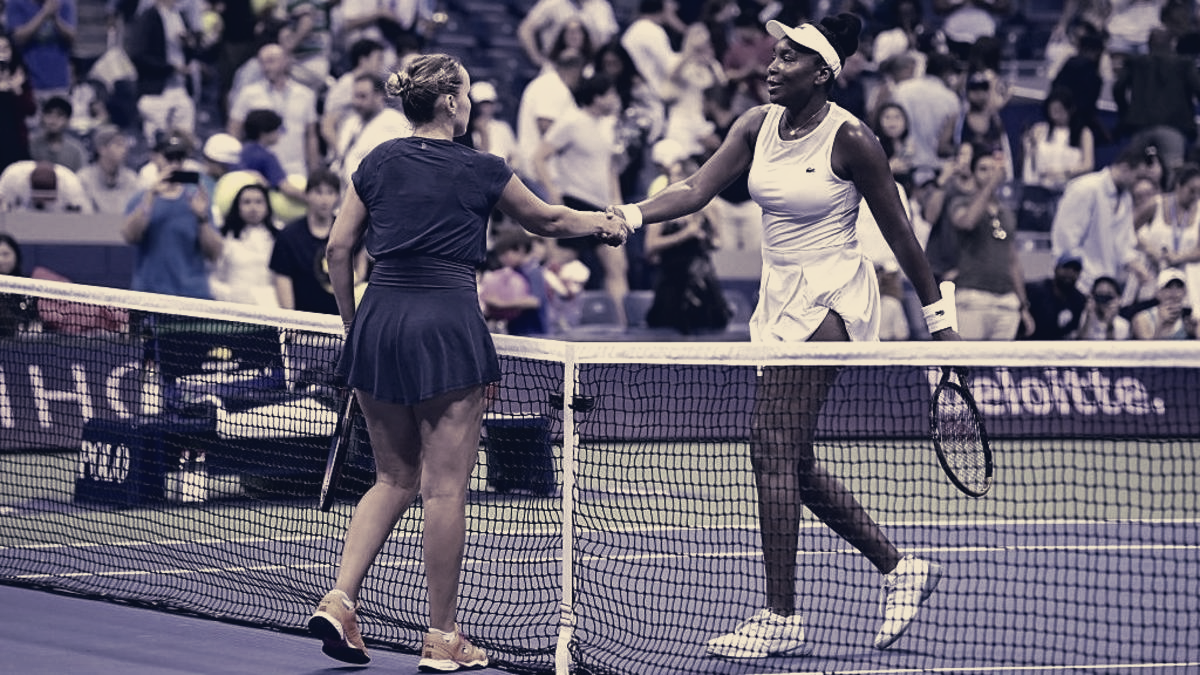

Players lose, forced into matches that run past 2am and unsettle preparation and recovery. Venus Williams, given a primetime wildcard, was scheduled to play on Arthur Ashe on Sunday night, but her match with Sofia Kenin did not begin until just after midnight and finished shortly after 2am local time, with Kenin winning in straight sets. Williams said the timing was "not ideal" and "wasn't great" for either player in terms of conditioning.
The late start resulted from Novak Djokovic's defeat by Mariano Navone, a five-set contest that ran for over four hours, a reminder that back-to-back scheduling can push a second match deep into the night. By the time Williams and Kenin left a stadium listed at 23,933 capacity, many seats were empty.
The explanation is financial. Three of the four Grand Slams, including the US Open, split play into day and night sessions so organisers can sell the same seat twice and price evening packages higher. Night sessions typically feature higher-profile names and become more valuable to broadcasters. ESPN agreed in 2024 to pay $2.04bn (£1.5bn) to show every match at the tournament until 2037, a deal that averages $170m (£126m) per year and raises the commercial case for primetime scheduling.
Organisers frame late sessions as fan-friendly. Tournament director Stacey Allaster said late-night scheduling was "heavily discussed and reviewed after the 2022 US Open" and that moving the evening session earlier was not feasible, "because it's hard for New Yorkers to get here even at 7pm." She added organisers considered running only one night match but judged "that's not fair to our fans," and noted tennis is not fixed to a start and end time because matches can be brief or last five hours.
Players and some spectators disagree. Extended waits before late matches interfere with warm-ups, meal timing and sleep cycles. American world number 10 Taylor Fritz has said there is "no chance" he can sleep until 5am or 6am after finishing a match at 2am. Wimbledon contrasts with the US Open, restricting play to between 11am and 11pm and suspending matches so fans and public transport are not kept until the early hours.
The debate pits commercial incentives against player welfare and fan convenience. Organisers have publicly defended the current model and retained it after recent reviews, while alternatives such as earlier evening starts or single night matches face logistical objections. Expect the tension to persist as broadcasters and promoters prioritise revenue and players press for clearer limits on late finishes.


