
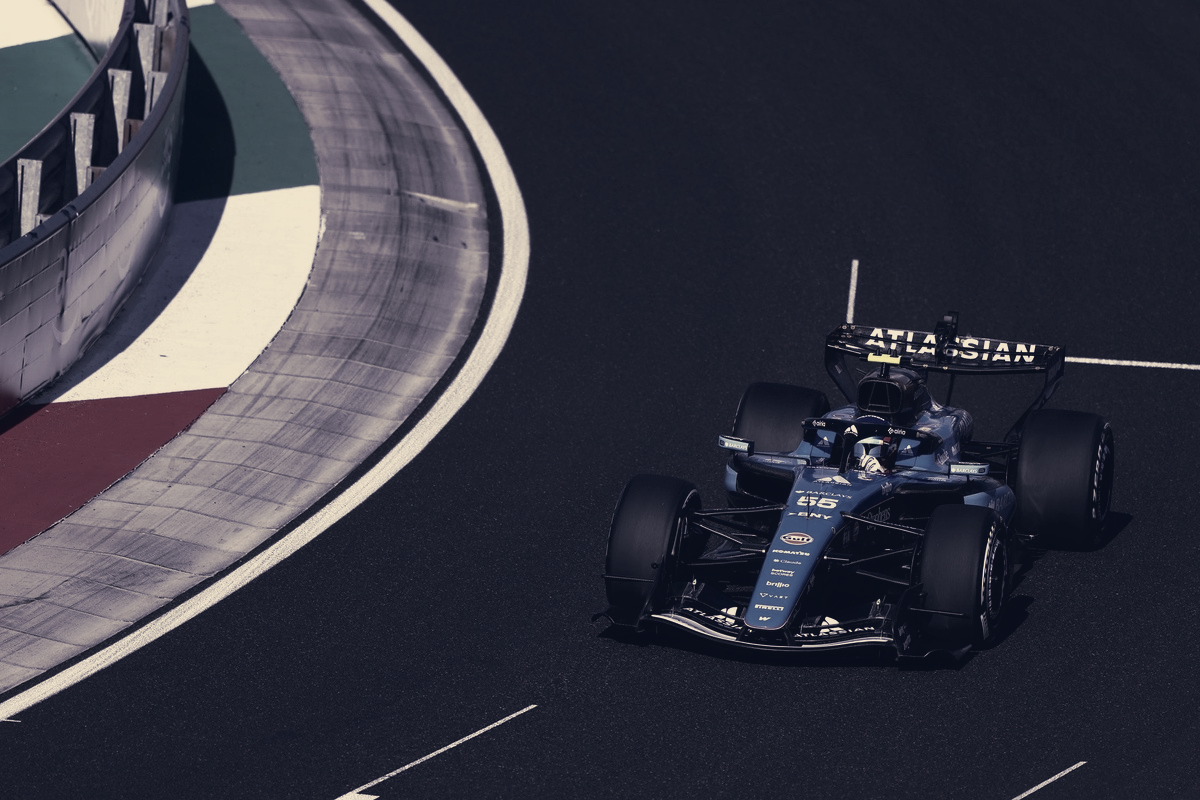
Williams will deprioritise its 2026 development programme and accept a compromise for the remainder of the season, team principal James Vowles said after the Spanish Grand Prix at the new Madring circuit. The result of that decision is a clear trade-off: short-term competitiveness will be limited as the outfit concentrates on building a stronger 2027 package.
Vowles set out the rationale in his post-race Vowles Verdict debrief, describing the Madrid weekend as illustrative of the team’s current position. Williams struggled in qualifying, with Alex Albon 16th and Carlos Sainz 17th before Sainz received a three-place penalty that pushed him back to 20th on the grid. Albon recovered to finish 15th, while Sainz retired after 43 laps when floor damage forced him out.
Reflecting on performance, Vowles said the weekend simply exposed ongoing issues and a lack of recent gains, noting the team has "fallen back relative to teams around us." He warned that planned upgrades will help but will not return Williams to consistent points finishes this year. For Baku, the team will bring two new chassis aimed at cutting car mass below the regulatory threshold, accompanied by aerodynamic updates, which Vowles expects to deliver a noticeable performance step.
Despite that, he tempered expectations: the wider field has moved forward so substantially that the package arriving at Azerbaijan will not be sufficient to secure regular points. Vowles pointed to substantial resource shifts into next year, saying the team has already invested heavily in 2027 development and therefore accepts the compromise on 2026 that stems from missed recovery during the winter.
The immediate plan is incremental improvement at Baku and further upgrades later this season, but the main work and most resources remain focused on 2027. Williams’ public acceptance of a compromised 2026 underlines a long-term recovery strategy rather than a short-term sprint back into the midfield fight.
What happens next is a targeted upgrade run starting in Azerbaijan, with the broader expectation that meaningful returns will arrive as part of the 2027 project rather than from this year’s development cycle.