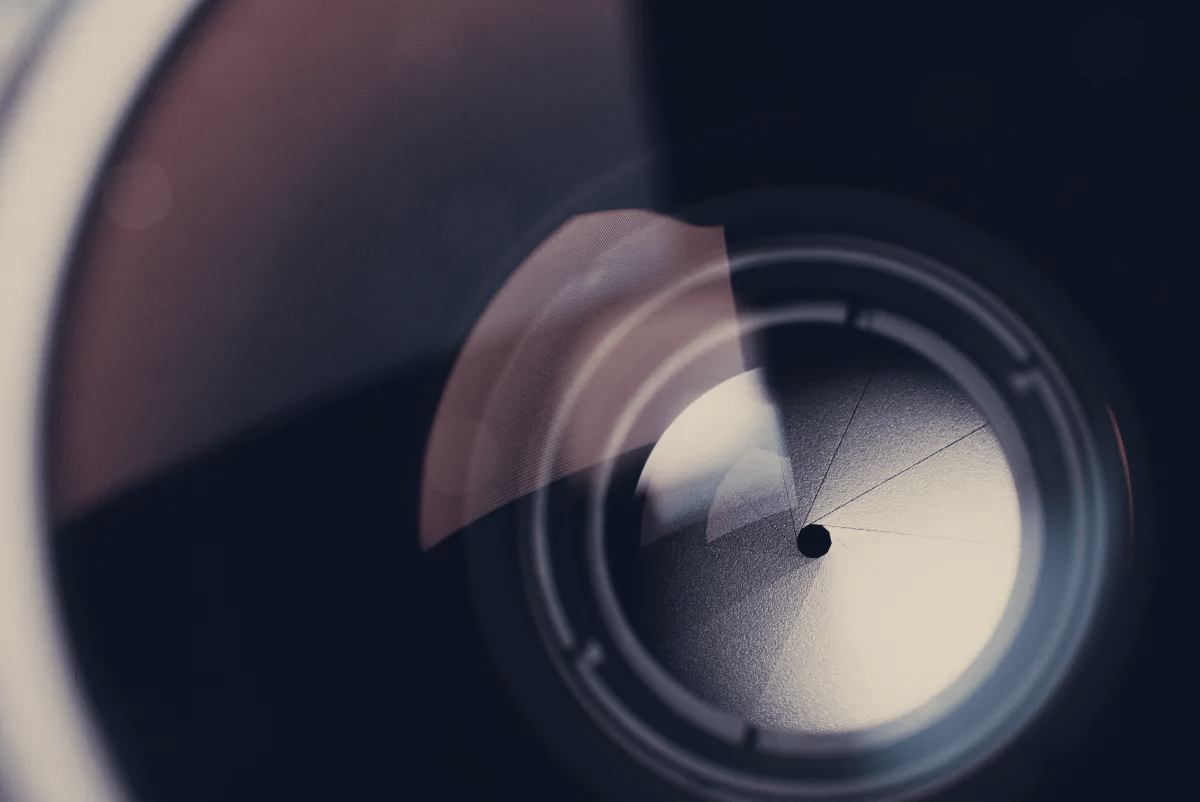
OpenAI has acquired Glass Imaging for more than $300 million, adding a small team and technology that use neural networks to improve photos at the moment of capture. The purchase gives the ChatGPT maker immediate access to computational imaging methods designed to compensate for smartphone camera size limits, a capability that could be useful if OpenAI pursues physical devices.
Glass Imaging, founded in 2019 and based in Los Altos, had raised roughly $30 million from investors before the sale. Its founders, Ziv Attar and Tom Bishop, are former Apple engineers who led the group responsible for Apple’s Portrait Mode, and their work at Glass focuses on teaching models the quirks of particular camera systems so images are improved as the shutter fires rather than primarily in post.
OpenAI did not provide a comment on the deal. The acquisition arrives as OpenAI is rumored to be exploring consumer hardware, including smartphones, earbuds, and AI companion devices. The company’s recent 2025 purchase of Jony Ive’s firm for $6.5 billion and a disclosed collaboration on a device startup called io signal a broader interest in product design and hardware.
Financial and technical details beyond the headline price and Glass Imaging’s prior funding were not disclosed. How OpenAI will integrate the acquired team and its models into existing products or potential hardware remains unclear. For now, the transaction brings OpenAI specialized imaging talent and systems that aim to improve photographic output at capture time, rather than relying solely on later editing.
What happens next will depend on OpenAI’s roadmap for productisation. The company’s recent moves into design and hardware suggest the Glass Imaging acquisition could be positioned to enhance future devices, but OpenAI has not outlined any plans publicly.