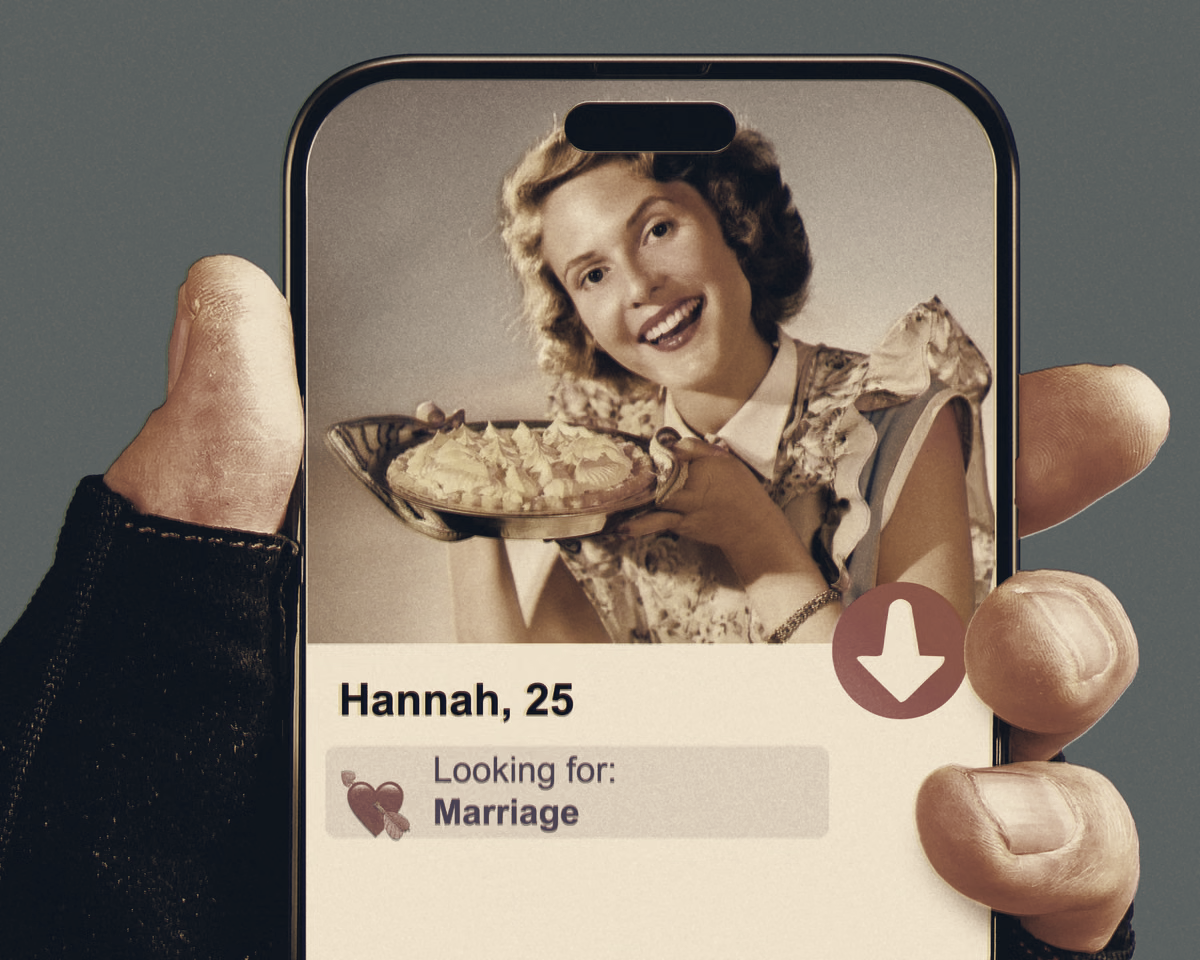
The FBI circulated a February briefing that flagged Immigration and Customs Enforcement officers as potentially vulnerable after describing a tactic that used fake dating accounts featuring a 'tradwife' aesthetic to lure and publicly identify agents. The memorandum originated in the bureau’s Chicago field office and was shared with other law enforcement units, the document shows.
The memo, obtained by Property of the People via a records request, frames the approach as designed to cause embarrassment and to deter immigration enforcement. It, however, offers little operational detail. The briefing does not name which dating services were involved, where the profiles originated, or whether any agents were actually exposed. It also carries a caveat noting the material had not been fully evaluated as intelligence.
The FBI declined to provide detailed answers about the document, but a bureau spokesperson said, “The FBI regularly shares information with our law enforcement partners to assist in protecting the communities they serve as well as protecting those who serve and protect communities. The FBI is committed to ensuring that law enforcement officers are safe from threats or violence while performing their duties.” The Department of Homeland Security did not respond to requests for comment.
The memo appeared weeks after a New York Post article reported that left-leaning TikTok users were organising to expose ICE officers, citing a screenshot posted by the Libs of TikTok account. That reporting included social posts discussing the tactic but did not provide evidence that agents had been deceived, and it did not use the 'tradwife' label, leaving open whether the FBI’s description was drawn from agent reports, social-media analysis, or other sources.
Civil liberties advocates criticised the briefing for its thin sourcing. “It’s absurd the FBI issued a thinly-sourced security alert about ICE agents’ online dating troubles,” said Ryan Shapiro, executive director of Property of the People. Former FBI agent Mike German, reviewing the paper, argued the memo lacked citations and echoed partisan coverage. “The rightwing echo chamber creates threats and the government’s intelligence apparatus just repeats those threats without any context, more detail or any instruction of how agents or officers should respond,” he said.
The alert joins other internal law enforcement reports that have raised alarms about doxxing of immigration officials, some of which described more concrete threats. The Chicago memo leaves central questions unresolved, and it does not set out guidance for officers or specify steps for verifying the claims it raises.