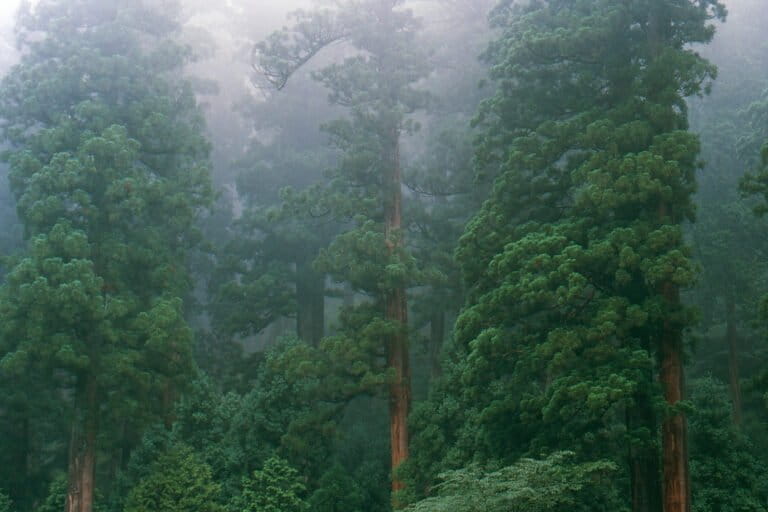
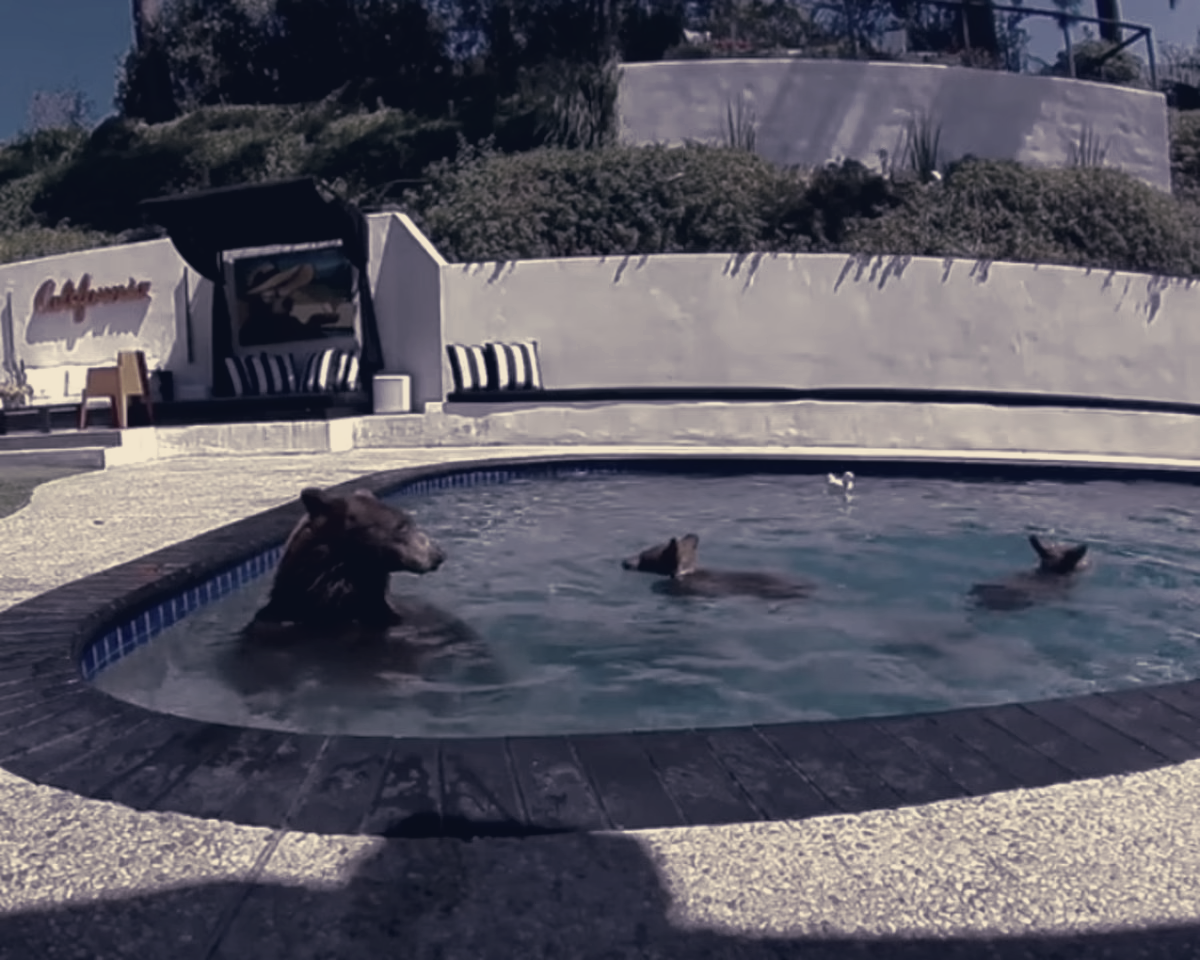
Communities expanding along the Angeles National Forest are bringing black bears into daily contact with homes, increasing the risk of property damage and of animals being relocated or euthanized. Researchers and wildlife officials say the city-edge interface, seasonal hunger cycles and climate-driven shifts in food availability have combined to make suburban yards attractive to bears.
The Story in Pictures
Black bears roam much of California, with an estimated 50,000 to 70,000 in the state and a few hundred living in the Angeles National Forest north of Los Angeles. As development fills the buffer between city and wildland, animals are being drawn to obvious calorie sources: pools, chicken coops, fruit trees, ponds and unsecured trash. Wilson Sherman, a PhD student at the University of California, Los Angeles who studies human-wildlife interaction, said, "Black bears are incredibly adaptable, versatile omnivores." He and other researchers note that human food is simply much more calorie dense than wild forage, which makes neighbourhoods attractive for bears preparing for winter.
Residents at the forest edge describe a new normal. Brian Gordon and his partner bought a house in Monrovia, California, on the last block before the national forest and began documenting a resident bear family on an Instagram account called PoolBearLife. Gordon said, "I actually thought people get eaten by bears a lot," and later added, "People will say 'you guys are the bear experts,'" before explaining, "No, we're city boys. We bought a house that happened to have bears." The couple say they remove temptations, keep trash secured and otherwise give the animals space.
Officials highlight two broader drivers of increased encounters. Warmer summers can change the timing and abundance of natural foods, and major wildfires, including the 2025 Eaton and Palisades fires, have been linked to shortfalls in natural forage that push bears into neighbourhoods. Alex Heeran, a research scientist at the California Department of Fish and Wildlife who studies human dimensions of wildlife encounters, noted that interactions typically peak in late summer and early fall during hyperphagia. Heeran said 2026 is on track to be a record-setting year for reported bear encounters and warned, "The bear's just looking for food, doing natural behavior, but it's creating a situation that's not ideal."
Wildlife managers emphasise prevention, urging residents to make properties unattractive by removing pet food and unsecured trash, protecting fruit trees and limiting other food draws. Sherman warned that animals foraging on human foods tend to reproduce at higher rates, which can reinforce the cycle. While officials try to avoid escalating incidents, some encounters still end with bears being relocated or euthanized, a last resort used when conflicts cannot be resolved. As September draws to a close and hyperphagia wanes, encounters usually thin out for the season, but this year's spike underscores longer-term challenges for neighbourhoods abutting wildland.