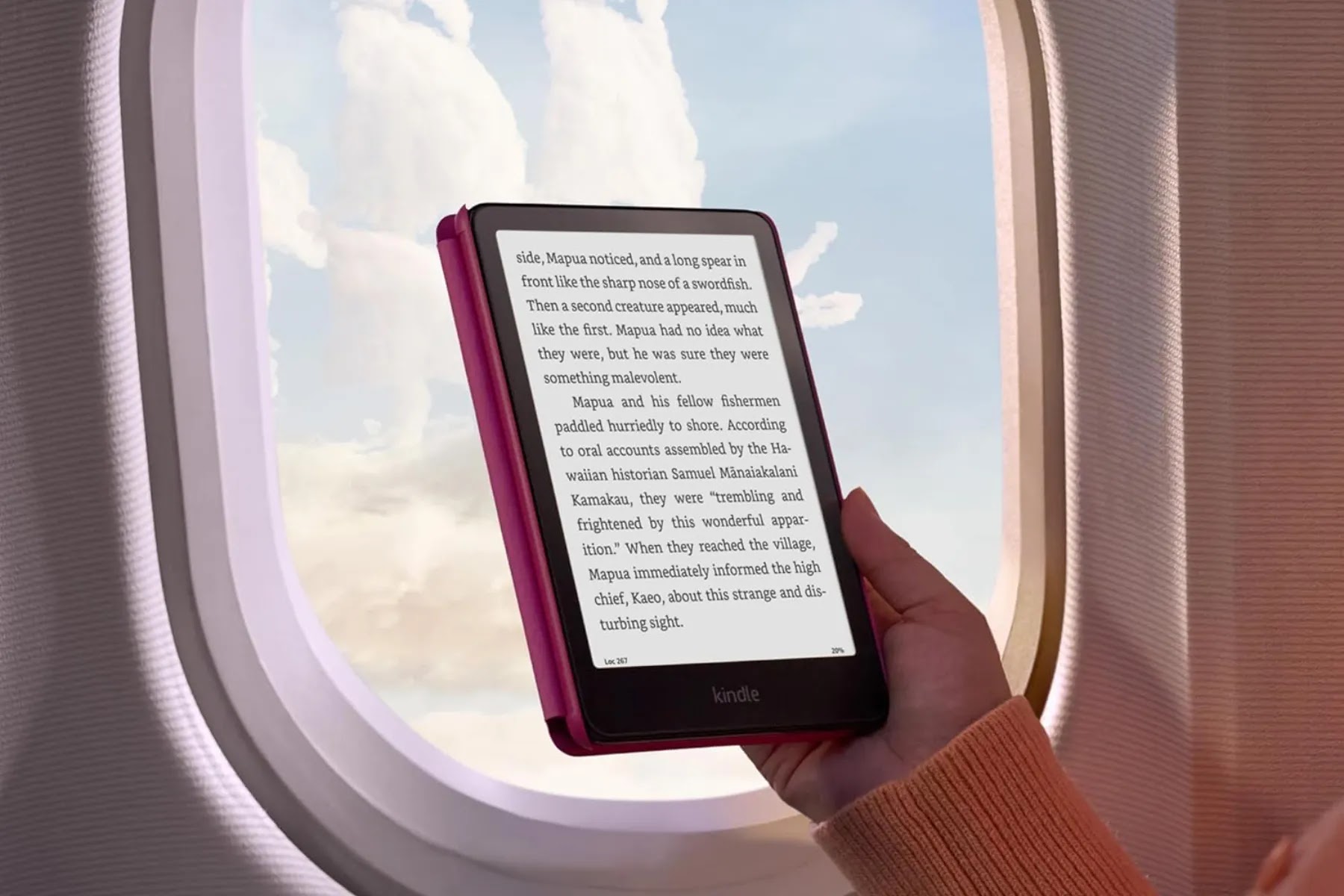

Amazon is taking another step into the AI publishing frontier with Kindle Translate, a new translation tool designed to help self-published authors reach global audiences.

Launched Thursday in beta for a limited number of Kindle Direct Publishing (KDP) writers, the feature uses artificial intelligence to translate ebooks between English and Spanish, and from German to English — the first in what Amazon says will become a broader multilingual system.
The tool is available at no extra cost to authors and automatically evaluates translations for accuracy before release. Books translated with AI will display a “Kindle Translate” label, signaling readers that the text was generated using Amazon’s proprietary language model.
A Shift in Global Publishing
Only 5% of titles on Amazon’s Kindle Store are currently available in multiple languages — a figure the company hopes to dramatically increase. By streamlining translation, Kindle Translate could open new markets for independent authors who lack the resources to commission human translators.
Authors can select their target languages, set prices for each translated version, and preview output before publishing. Amazon confirmed that AI-translated ebooks will qualify for KDP Select and Kindle Unlimited, giving them the same visibility as traditional titles.
The announcement follows Audible’s launch earlier this year of an AI-powered multilingual narration tool, hinting at a coordinated push across Amazon’s content ecosystem to automate localization.
How It Works
Kindle Translate leverages Amazon’s in-house machine translation and large language model systems — built on the same infrastructure that powers Alexa and AWS AI tools. Each translation undergoes an internal accuracy review using both automated checks and human evaluation in select markets.
While Amazon did not disclose the specific model used, early testers describe the tool as “fluent but literal,” requiring light edits for idiomatic accuracy.
Industry analysts say it’s an early but significant leap toward real-time book translation, a long-standing barrier in digital publishing.