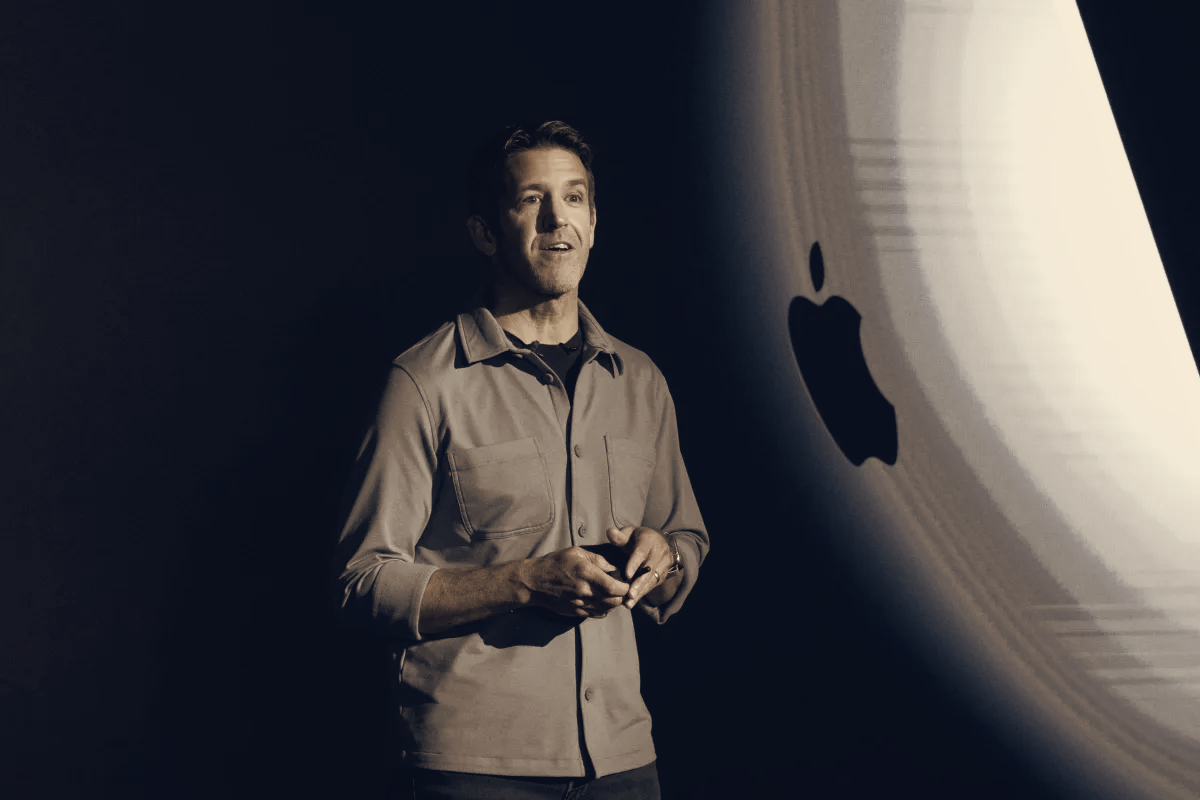
Apple is doubling down on the iPhone as the company’s strategic hub for artificial intelligence, a shift announced by John Ternus in his first keynote as CEO. By placing the handset at the center of an “intelligent personal assistant” vision, Ternus signalled that Apple plans to build its next era around the iPhone’s hardware and on-device AI capabilities.
“There’s no product in the world better designed to be your intelligent personal hub than iPhone,” Ternus said, framing the device as the natural platform for compute-heavy AI features. He listed the concrete ingredients that, in his view, make the iPhone suited to that role: a powerful processor, high-resolution cameras, persistent networking, and on-device AI.
The argument directly contrasts with a recurring narrative that smartphones are on the way out and with earlier efforts under Tim Cook to convince investors that Apple was broader than its flagship product. Pundits have recently argued “The smartphone’s days are numbered,” and some analysts have suggested Apple must find what comes after the iPhone. Ternus responded by insisting the handset remains central, pushing back on the idea that the iPhone has passed its prime.
The strategy echoes a playbook Apple used 25 years ago under Steve Jobs. In 2001 Jobs repositioned the Mac as a “digital hub,” arguing personal computers would evolve to connect and add value to a range of devices. Jobs later introduced the iPod the same year, a small device that reinforced the Mac’s central role and helped reshape Apple’s product roadmap. Ternus is reviving the same logic for a world where AI and persistent connectivity are primary drivers.
Apple’s advantage, Ternus argued, is the combination of high performance and portability that keeps the phone as the device people carry everywhere. Attempts by other firms to replace the smartphone with wearables or alternative hubs have so far not succeeded, reinforcing Apple’s position. Yet the company’s path forward is not fully revealed: it remains unclear whether Apple will introduce a new, iPod-like product to further secure the iPhone’s hub role.
For now, the practical consequence is clear: Apple’s leadership has publicly anchored the company’s near-term AI strategy to the iPhone. That commitment will shape product planning, development priorities, and how Apple markets AI features in the months ahead. The next moves to watch are the hardware and software changes Apple delivers to embody Ternus’s vision.