U.S. households are paying roughly $1,760 each since the U.S.-Iran conflict began, as rising crude prices and higher Treasury yields translate into bigger bills at the pump and steeper borrowing costs, Moody's Analytics estimated as of Sept. 11.
Moody's breaks that total into three drivers: about $930 per household from higher energy costs, $425 from rising interest rates and $405 from increased military spending. The analysis finds Americans have collectively spent more than $121 billion extra on energy since the fighting started.
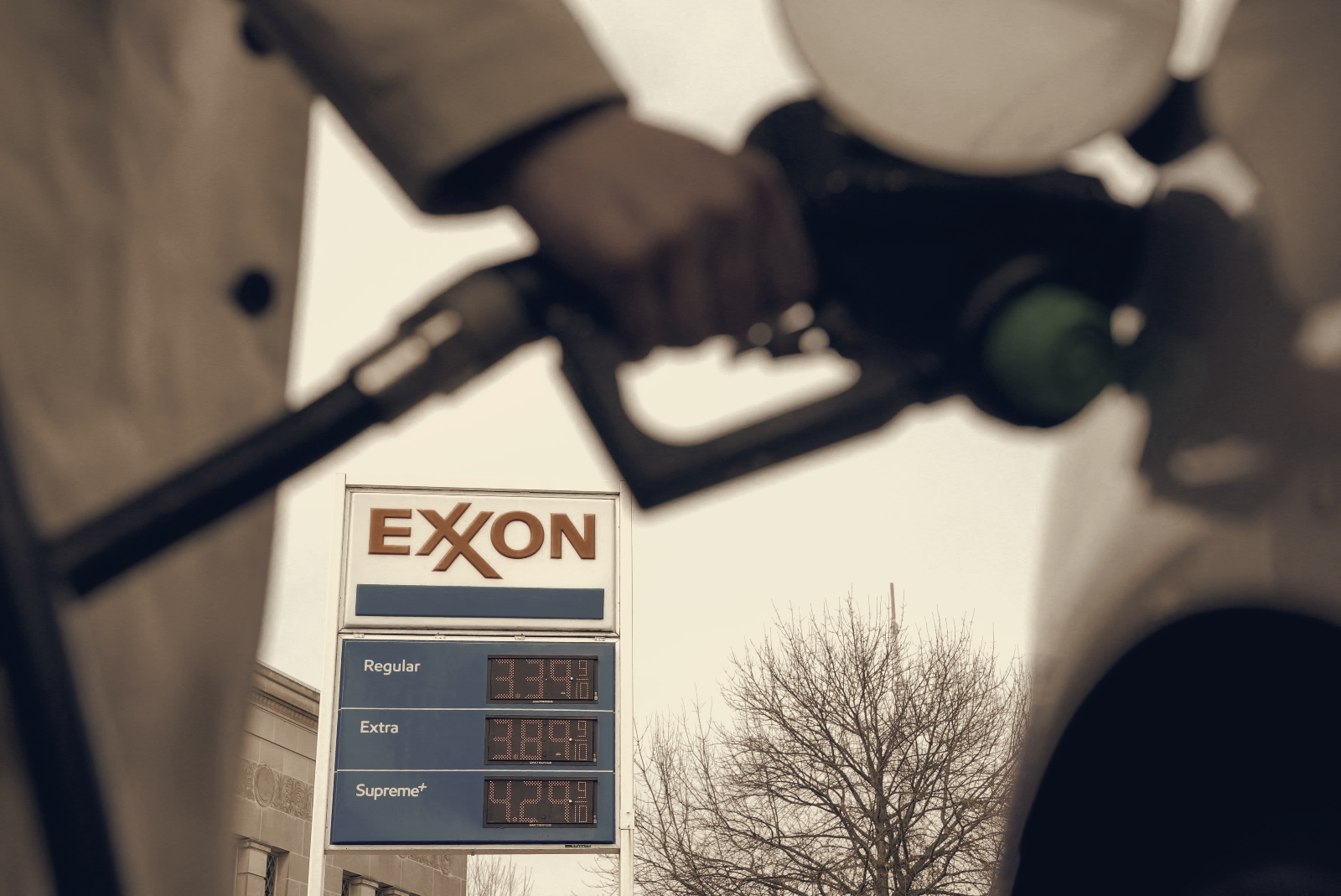
Crude oil climbed above $105 per barrel on Tuesday, a move that has pushed the national average for a gallon of gasoline past $4.32, up 6 percent month over month and 36 percent year over year, according to AAA. Diesel reached record territory above $6 per gallon and sits roughly 70 percent higher than a year earlier. Those fuel moves translated into the highest-ever Labor Day pump prices for holiday travellers.
The higher cost of energy is already filtering through prices for consumers. A Deloitte estimate cited by economists shows a 20 percent rise in crude typically lifts headline inflation by about three-tenths of a percentage point, before secondary effects. Airfare is one fast-accelerating category, with Bureau of Labor Statistics data showing prices jumped more than 23 percent in August from the same month a year earlier.
The debt market side of the shock is converging with energy pressures. The 10-year U.S. Treasury yield climbed to its highest level since 2007, roughly a full percentage point above where it stood a year ago, lifting mortgage and other borrowing rates. The average 30-year fixed mortgage topped 7 percent this month for the first time in more than a year, and the Atlanta Federal Reserve's home ownership affordability index slid to lows rarely seen on record this summer.
"Consumers are under a lot of financial pressure," said Mark Zandi, chief economist at Moody's Analytics. Diane Swonk, chief economist at KPMG, added, "People experience higher interest rates much like they experience inflation, it makes things less affordable." Nicole Bachaud, a labor economist at ZipRecruiter, warned that higher borrowing costs for companies can slow hiring and make it harder for workers to change jobs.
Financial markets are pricing in further policy moves. Fed funds futures show more than a 92 percent probability that the Federal Reserve will raise rates at its upcoming meeting, and a Fed survey found most respondents expect at least two more rate increases over the next year. Meanwhile, total credit card debt rose to $1.26 trillion in the second quarter, near record levels, underscoring the strain on household balance sheets.
With energy-driven inflation and rising yields reinforcing each other, consumers face both shorter-term pain at the pump and longer-term affordability challenges for housing, auto loans and credit. If rates climb further or oil remains elevated, economists warn the combined pressure could squeeze spending, slow hiring and keep price growth elevated across transport and goods.