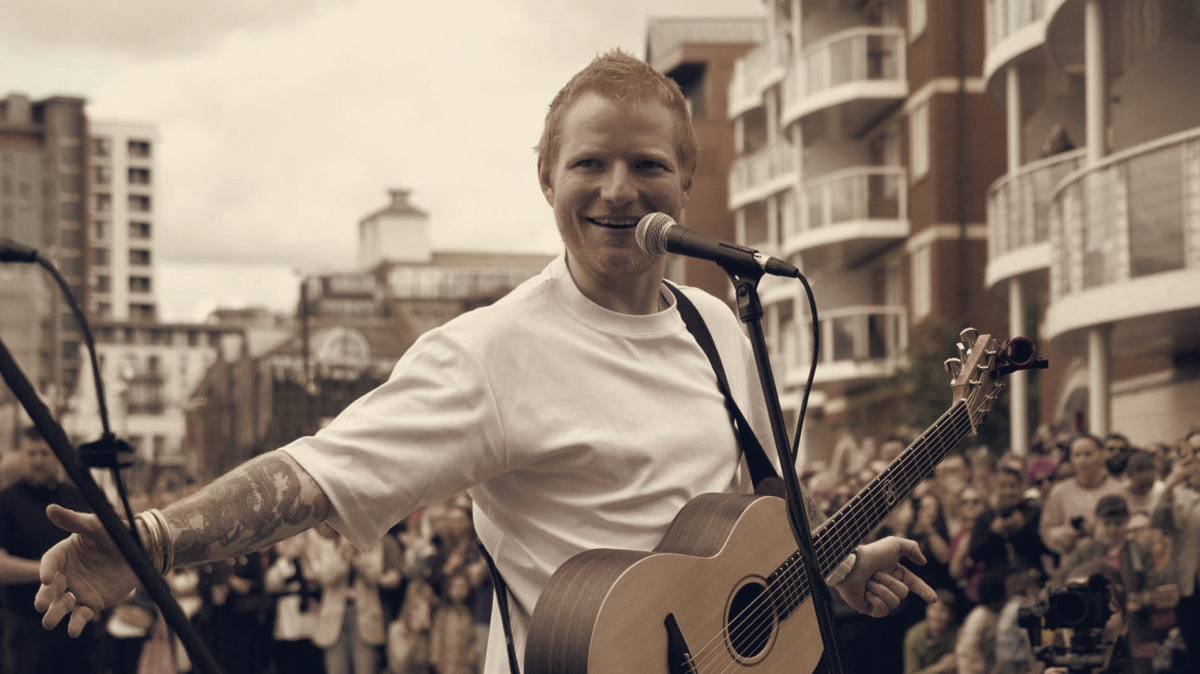
The consequence is immediate: Ed Sheeran’s US stadium run has been thrown into crisis after promoters removed opening act Macklemore following the rapper’s on-stage pro-Palestine remarks, and every scheduled support act pulled out in protest.
Macklemore used the opening night to say "Free Palestine" and show images of destruction in Gaza, and the following night referred to the death toll as a genocide, a characterization Israel rejects. According to the sequence of events, stadium owners, led by Robert Kraft, the billionaire owner of the New England Patriots, pressed Sheeran’s team and promoters to drop Macklemore. Promoters carried that decision, and Sheeran issued a statement saying the removal was not his choice and that he had tried to build bridges between the parties.
In his statement Sheeran wrote he was "not complicit" and that he was "appalled by the conflict between Israel and Palestine," calling the suffering on both sides a human tragedy. He reiterated his long-held argument that concerts should be a "place of safety and sanctuary" and defended his practice of generally avoiding political statements so as not to alienate young fans from all backgrounds.
The response to that statement was swift and uncompromising. All three remaining support acts, Finneas, Aaron Rowe and Lukas Graham, withdrew from the tour, and folk group Beoga also quit. Several artists framed Macklemore’s removal by a group of billionaire venue owners as a chilling effect on free speech. Pop star Pink, who is Jewish, posted criticism of Macklemore’s remarks and later explained her stance.
Critics said Sheeran’s hands-off posture exposed the limits of an apolitical public image. Music journalist Jeffrey Ingold called the response "cowardice," arguing the singer had leverage and options, including refusing to play venues that would not host the full bill or seeking alternative sites. Others noted Sheeran’s political abstention has not been absolute: he wore a "justice for Grenfell" T-shirt in 2018, played the Concert For Ukraine in 2022, recorded a protest song about the Ukraine war with U2 earlier this year, and previously expressed sympathy for Jeremy Corbyn in 2017.
The immediate fallout is tangible: the tour now lacks its planned openers and has been publicly fractured by disputes involving artists, promoters and venue owners. With support acts gone and reputational damage widening, the next steps, whether replacement acts are found, dates are moved, or further cancellations follow, will determine how deep the disruption becomes.