Florida students and regional aerospace employers will gain new, funded connections after NASA included Space Florida among seven State Hubs and awarded $10.5 million to support the initiative. The funding underwrites Project ORBIT, a programme designed to broaden middle and high school pipelines into aviation and space careers, raise enrolment in technical career programmes, and build a statewide portal to link trained workers with aerospace employers.
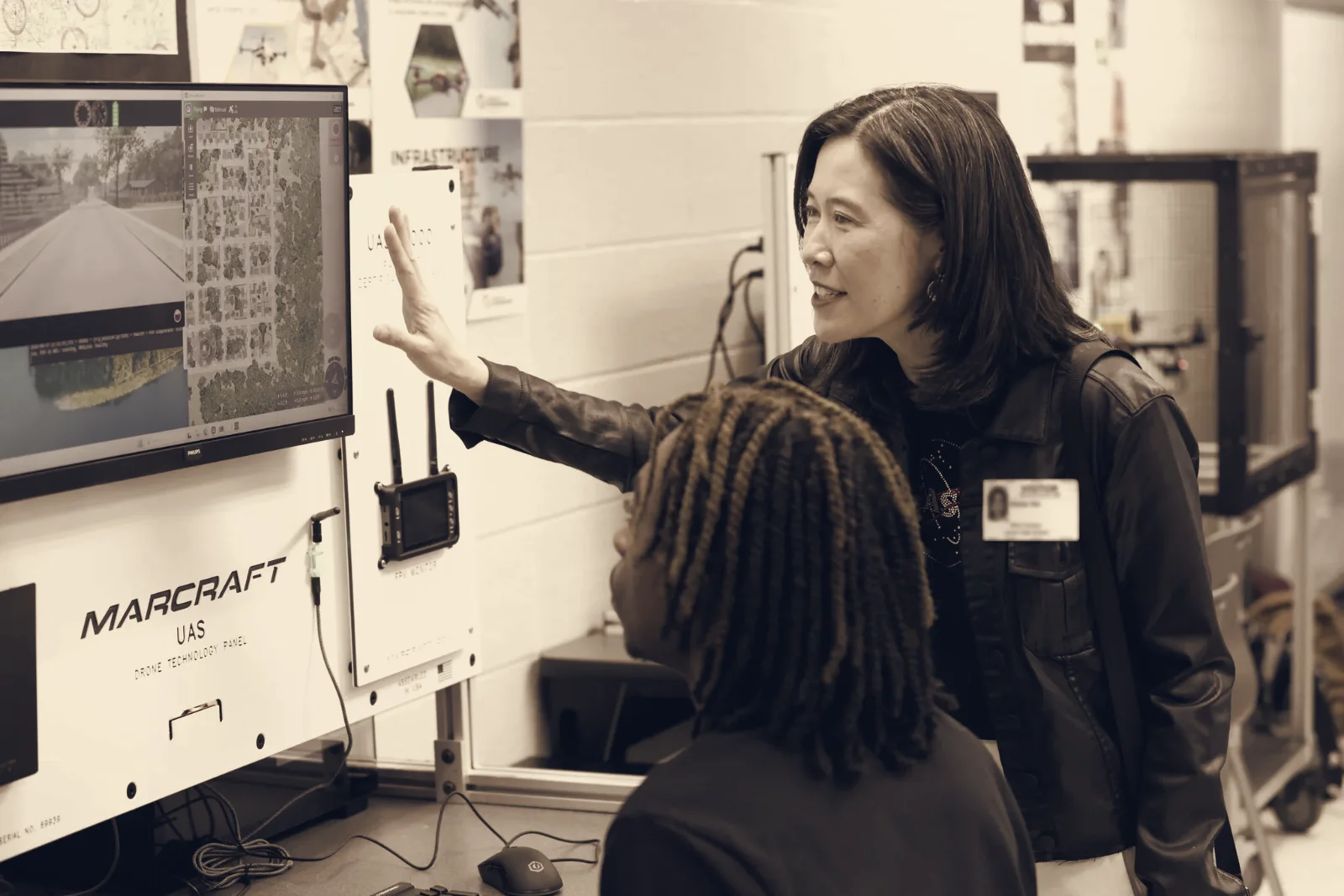
NASA’s associate administrator for the Office of STEM Engagement, Elaine Ho, visited three Central Florida schools to observe students enrolled in Space Florida Academy. At Lyman High School in Longwood, pupils demonstrated projects spanning aerospace engineering, robotics, building trades and welding. Ho also toured Merritt Island High School’s Aeronautics & Flight Exploration programme and cloud computing classrooms, and inspected the robotics lab at Edgewood Junior/Senior High School in Merritt Island.
Space Florida Academy, which launched in August 2024, has nearly doubled its footprint, expanding from 23 to 42 participating school districts. The programme is organised to prepare students for roles across aviation and aerospace, advanced manufacturing, construction, cybersecurity, logistics and semiconductors, aligning classroom skills with employer needs across the state.
Dean Cuke, Merritt Island High School AFEX astronautics and aviation flight instructor, described the programme’s aim. "It’s all about showing students what’s possible and then giving them the tools to achieve it," he said. "There are far more possible pathways to be part of the space industry than I think they realize. We’re showing them ways that they can attain that, through learning, through motivation and chasing after their dreams. I’m excited for them."
Students who have taken part reported concrete effects on career plans and confidence. Merritt Island juniors and student pilots Olivia Street and Troy Wallenburg said the programme shaped their choices. "It makes you feel like you’re a part of something way bigger than just a high school class. I learned what I want to do when I grow up, to be a pilot," Street said. "My entire life, I’ve just loved space," Wallenburg added. "It’s great knowing that I’m actually somewhat involved in it, too."
Ho framed the school visits as a test of local capacity. "I’m so impressed by how this region holds so many opportunities for our students, who are incredibly capable of solving hard problems, who can build our hardware, who want to be part of something bigger than themselves," she said. "NASA is really focused on ensuring that those opportunities are easier to reach."
Project ORBIT’s immediate priorities are expanding student opportunities and boosting technical-program enrolment, while a planned portal aims to connect graduates and trainees with aerospace employers statewide. Those elements will determine how quickly classroom gains turn into a larger regional workforce for the aviation and space industries.