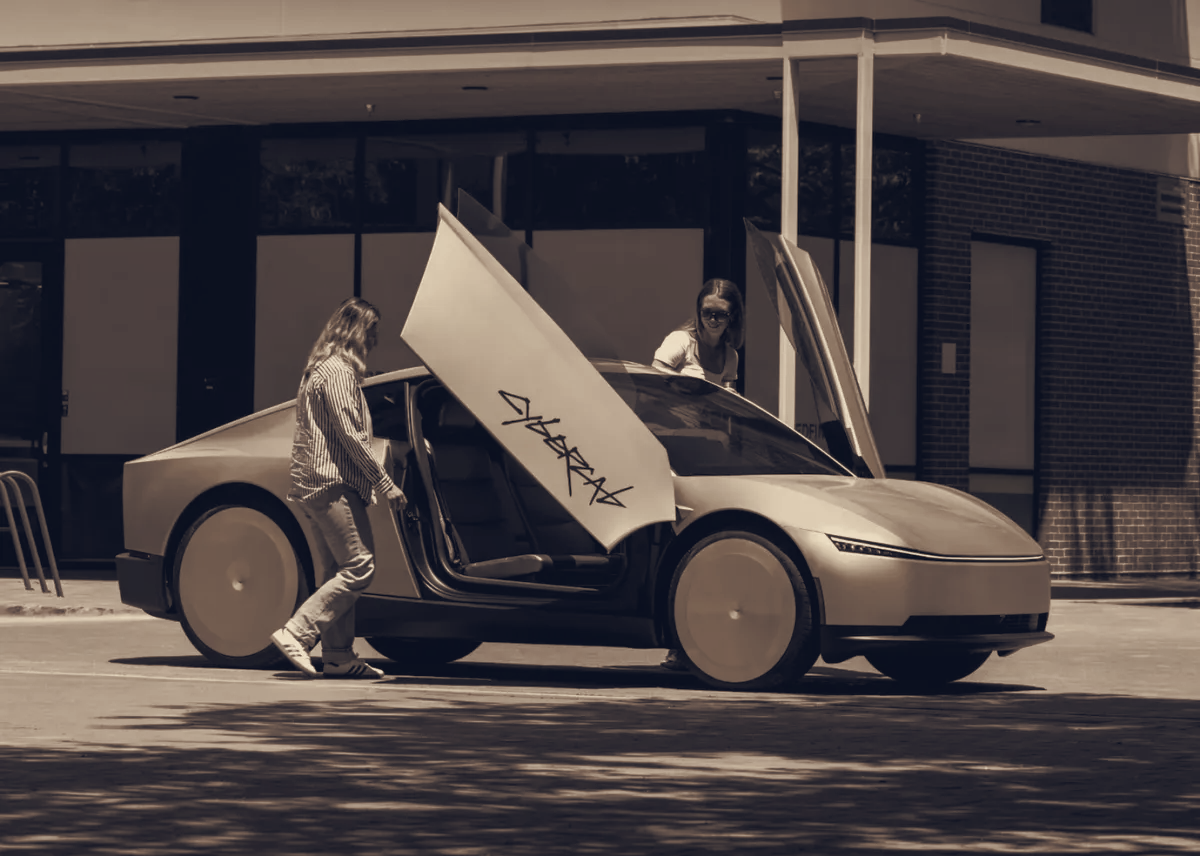

Families lose the option to include young children on trips in Tesla's Cybercab, after the company announced that no one under 13 will be allowed to ride, even when accompanied by a parent. The restriction is absolute, the company says, and it immediately narrows the use case for households that would have relied on the vehicle for family travel.
The age cutoff shifts the Cybercab from a potential family mobility solution to a product parents must work around. Those affected will need alternative transport or childcare arrangements for children under 13, a practical burden that could reduce demand among family buyers and users. For parents who had planned to test or adopt the service, the rule is a clear disqualifier.
Operationally the policy raises questions Tesla will have to answer. Enforcing an age-based prohibition requires a way to verify riders' ages at point of boarding, or through booking systems, which creates logistics and privacy considerations. Any verification system will also shape how smoothly the Cybercab functions in live service, and how often trips are delayed or refused when a rider fails to meet the age requirement.
The restriction also reframes the public conversation around the Cybercab. Whether the rule reflects safety concerns, legal exposure, or insurance limits, it will be read as a statement about the vehicle's suitability for children. That invites scrutiny from safety advocates and regulators, who will watch how Tesla explains and enforces the policy.
What happens next depends on Tesla's rollout and communication. The company will need to make the rule enforceable and visible to potential customers, and parents will need clear guidance about alternatives. How Tesla manages those details will shape who can use the Cybercab and how quickly it gains acceptance beyond single adults and older passengers.