
Regulators gain leverage as a White House AI deadline approaches, shifting the balance between industry influence and policy urgency. Major technology executives are converging on Washington amid a sharper debate over how to regulate advanced artificial intelligence, and the deadline the White House set looms over those conversations.
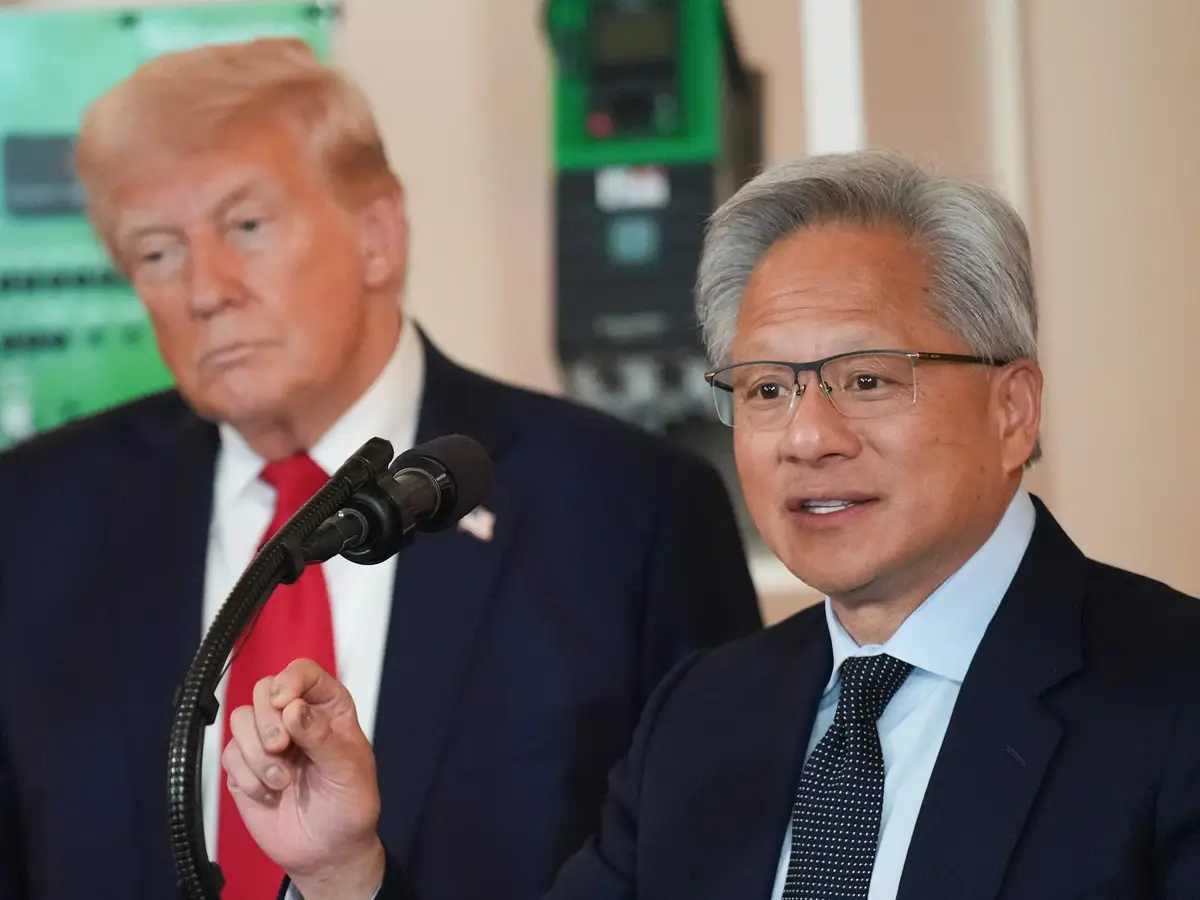
OpenAI's Sam Altman and Nvidia's Jensen Huang were among the tech leaders who traveled to Washington, D.C., in the run-up to the deadline tied to the executive order on AI. Their presence underlines how quickly the issue has moved from industry roadshows to direct engagement with federal policymakers.
The gathering of prominent executives signals that corporate strategy now must account for near-term regulatory risk. With an official deadline on the calendar, companies face a narrower window to shape standards, clarify compliance expectations, and prepare operational changes. Executives who can align with the administration’s priorities may protect market access and reduce regulatory friction, while firms unable to demonstrate readiness will face heightened scrutiny.
For policymakers, the executive order and its timetable create leverage to extract commitments and technical input from industry leaders. That leverage comes at a moment when public and political attention on AI governance is intensifying, driving faster negotiations over safety measures, oversight frameworks, and enforcement mechanisms.
The next phase is procedural and consequential. The deadline set by the White House will force concrete decisions on whether voluntary industry commitments suffice, or if formal regulations will follow. The outcome will shape investment calculations, product road maps, and compliance costs across the sector.
As the deadline arrives, expect more meetings, public statements, and narrowly focused bargaining between regulators and firms represented by executives such as Altman and Huang. The immediate question is not whether AI will be governed, but who will set the terms and how quickly the industry must adapt to them.