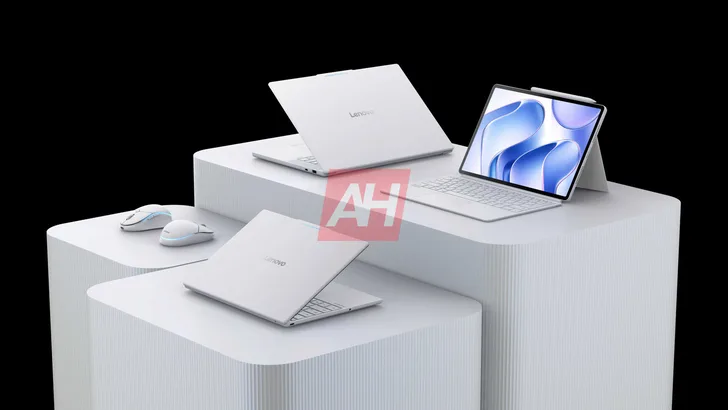
Lenovo appears to be expanding the hardware choices for Google's Googlebook initiative, leaked images show two laptop sizes and a 2-in-1 tablet bearing Googlebook branding.
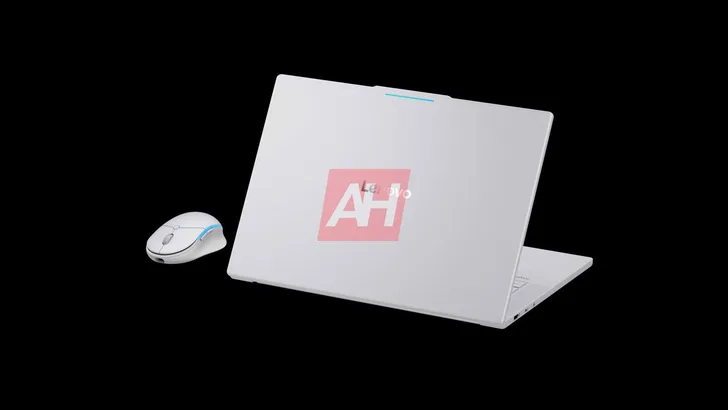
Photos shared by Android Headlines depict three stark white devices that use keyboard badges to identify them as Googlebooks. Two resemble Lenovo's Chromebook Plus 14 in different sizes, while the tablet with a kickstand and detachable keyboard echoes the company’s IdeaPad Pro Gen 2. Port layouts vary across the devices, with different arrangements of USB-C and USB-A sockets.
All three devices feature a light strip across the hinge area that the leak identifies as a "Glowbar." The strip is presented as a distinctive hardware element Google expects will set Googlebooks apart from other laptops. The leak also notes glowing accents are likely to appear on Google's upcoming Pixel phones, suggesting a common design language across hardware partners.
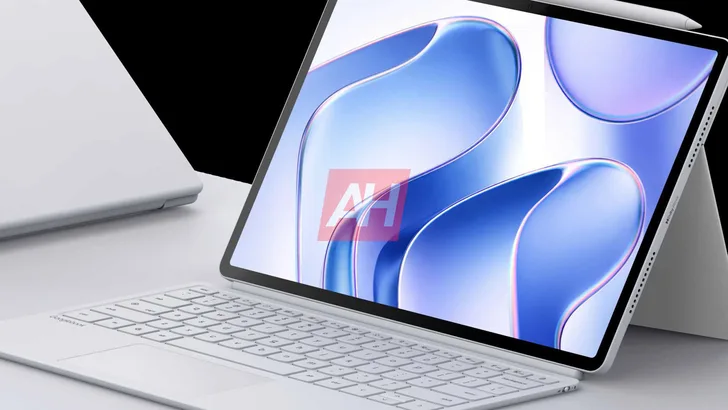
Google first named Lenovo as a launch partner in May when it introduced an Android-based take on ChromeOS, but the company only showed images of an unnamed laptop at that time. The new pictures provide the first concrete sign that Googlebooks will include not only clamshell laptops, but tablet-style devices as well. That broadens the platform beyond the laptop-first demos Google has used so far.
Software features Google has demonstrated for the platform lean on mouse and voice interactions. One example is a feature called "Magic Pointer," which lets users move the mouse to summon quick, contextual prompts routed to Gemini. Google has positioned the platform as AI-powered, but it has not provided an official launch date beyond saying Googlebooks will arrive later this year.
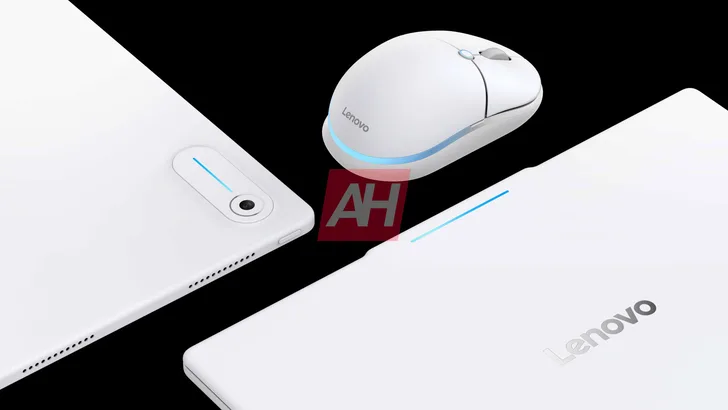
Google named ASUS, Dell and HP alongside Lenovo as hardware partners for the program. Because Googlebooks emphasizes third-party laptop makers, the initiative will likely roll out independently from Google's phones. The leaked Lenovo designs offer the clearest look yet at how partners might interpret Google's hardware guidelines, and they set expectations for a family of devices that mix conventional laptops with tablet hybrids and prominent visual accents.
What happens next is partly in Google's hands, the company still needs to confirm final designs, features and timing. The leaks make one thing clear, hardware partners are already building to a shared aesthetic and a UI that blends Android, ChromeOS ideas and new AI controls.