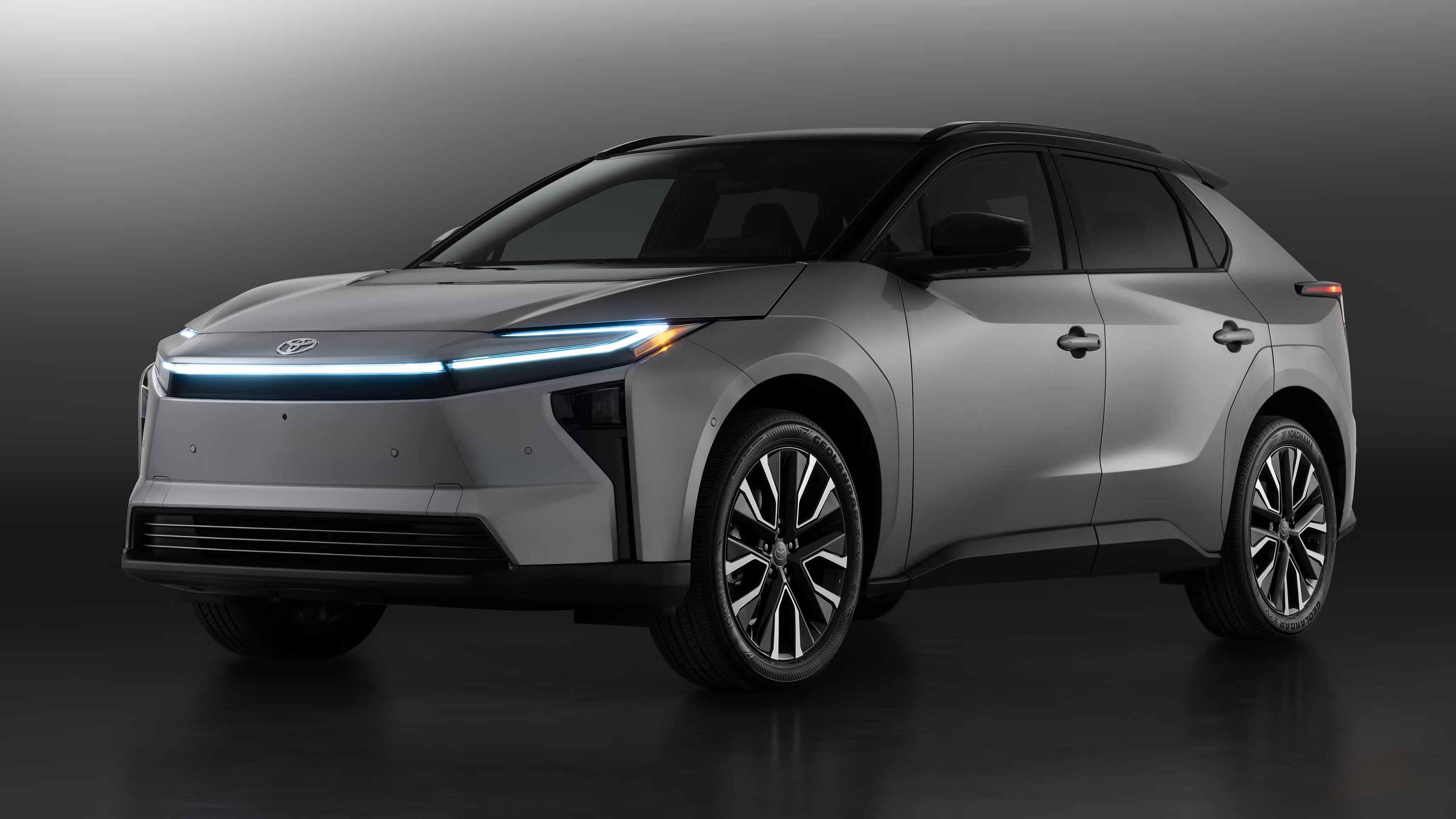

Toyota is sharpening its battery-electric strategy after a hesitant start in the segment, rolling out a significantly upgraded version of its compact electric SUV — now simply called the bZ.
Long a champion of hybrid technology, Toyota has often argued that limited global battery supply makes it more efficient to build higher volumes of hybrids rather than fewer full EVs. That cautious approach carried into its first modern BEV effort, the bZ4x, which faced an early recall over improperly secured wheels just as deliveries began. Reviews were mixed, with critics noting the model struggled to stand out in an increasingly crowded field.
For 2026, Toyota has responded with meaningful updates. The refreshed bZ rides on the updated e-TNGA platform shared with Lexus and Subaru and features a larger 74.7 kWh battery pack. Buyers can choose between front-wheel and all-wheel-drive configurations, now equipped with silicon carbide power electronics aimed at boosting efficiency and performance.
Perhaps most notably for North American drivers, Toyota has ditched the CCS1 charging port in favor of Tesla’s North American Charging Standard (NACS), aligning the vehicle with a growing ecosystem of compatible fast-charging infrastructure.
The $37,900 XLE FWD Plus trim delivers the headline improvement: an EPA-estimated 314 miles (505 km) of range. That’s a substantial leap from the pre-refresh model’s 252 miles (405 km) from a 71.4 kWh pack — a jump that signals Toyota is taking range competitiveness far more seriously.
While Toyota remains publicly committed to a diversified electrification strategy that includes hybrids, plug-in hybrids, hydrogen fuel cells and BEVs, the upgraded bZ suggests the world’s largest automaker is accelerating its learning curve in the fully electric space — and adapting quickly to market feedback.