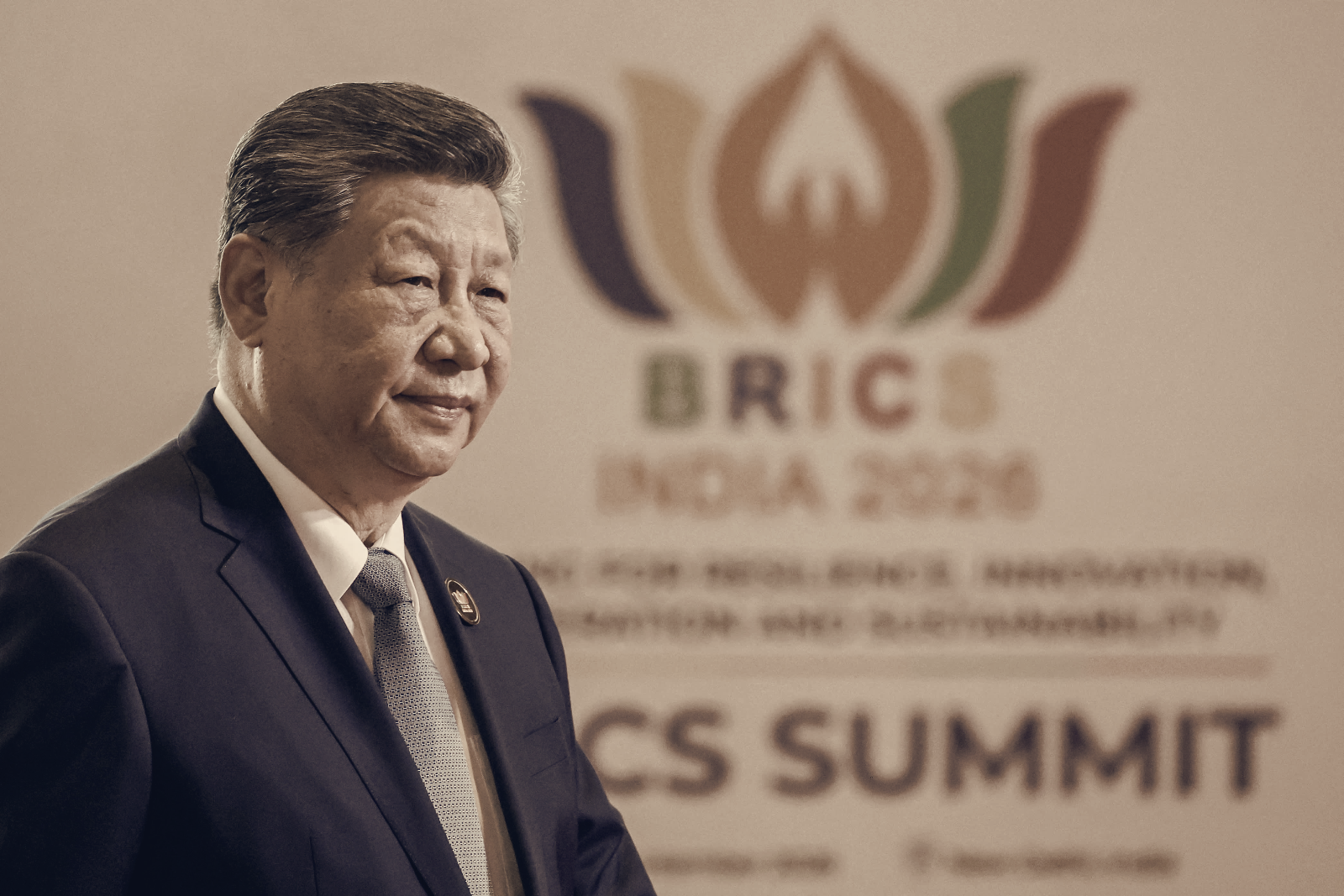
China is offering to lead a BRICS-backed push for a permanent and comprehensive ceasefire in the Middle East, a move that positions Beijing as an active diplomatic player as the region faces rising tensions. President Xi Jinping made the appeal at the BRICS summit in New Delhi on Saturday, saying the conflict has caused severe losses and is not in the international community’s common interest. He called for a political path out of the fighting, urging that "all relevant parties should adhere to the direction of a political solution and promote a permanent and comprehensive ceasefire."
Xi also highlighted the Palestinian issue, repeating Beijing’s insistence on implementing a two-state solution as the framework for resolving that dispute. The remark ties China’s public stance on the conflict to its offer to work with BRICS partners, which now include Egypt, Ethiopia, Indonesia, Iran and the United Arab Emirates alongside the original five members.
The comments came against the backdrop of close economic and strategic links between China and Iran. The draft notes Beijing is Tehran’s biggest trading partner and a major buyer of Iranian energy, facts that shape how other capitals will read China’s mediation offer. The United States meanwhile has stepped up pressure on Iran; last month the Trump administration imposed new economic measures and the Treasury Department described the campaign as Operation Economic Outcast, with a Treasury official, Scott Bessent, saying China would not be exempt from that pressure.
Analysts cited by the draft say China’s years of oil stockpiling, and a recent reduction in purchases, helped curb how high energy prices rose after the fighting began, underlining how Beijing’s market behaviour already affects the crisis. The timing is politically sensitive: President Donald Trump is due to host Xi at the White House later this month, a meeting likely to cover both geopolitical friction and economic strains connected to the Middle East.
Xi’s appeal effectively asks a broader BRICS membership to adopt a shared diplomatic posture on the conflict. The immediate test will be whether partners endorse joint measures or launch a coordinated mediation effort in response to Beijing’s pledge.