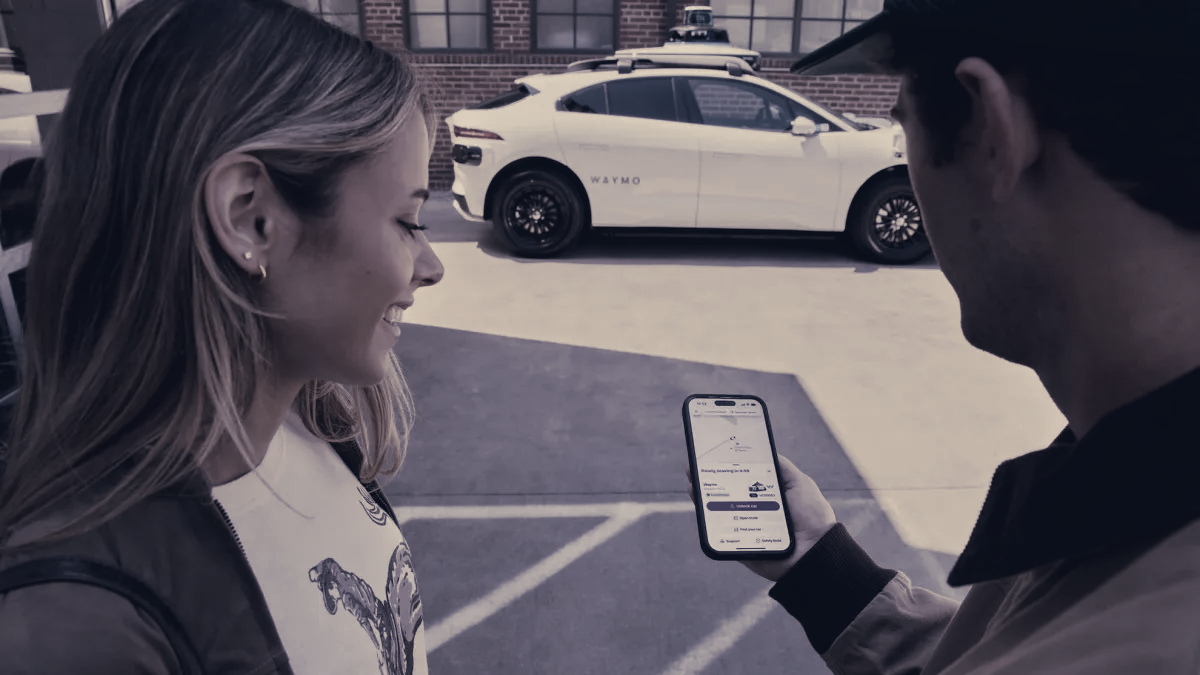
Lyft has taken its first commercial step into driverless ride services by listing Waymo robotaxis on its app in Nashville, giving the ride-hail company an operational foothold in the robotaxi market. Under the arrangement, Lyft handles fleet-level tasks such as vehicle readiness, maintenance, and depot operations through its fully owned subsidiary Flexdrive, while riders can request a Waymo either from the Waymo app or see a Waymo option on Lyft depending on availability.
The move is notable because it represents Lyft’s first true commercial offering of robotaxis without a human safety operator in the vehicle. The company has partnered on autonomous projects before, including work with Aptiv, May Mobility, Baidu, and Waymo in Phoenix, and it once invested heavily in its own self-driving program. Lyft sold its Level 5 autonomous unit to Woven Planet Holdings for $550 million in 2021 and then refocused on its core ride-hailing business before re-entering the AV market through partnerships.
Lyft executive vice president of growth Jeremy Bird, who oversees the company’s international, luxury, and AV plans, said Lyft intends to put energy behind its Waymo partnership in Nashville and its tie-up with Baidu in London next year. “I think next year what you’ll see is more diversification of that,” Bird said, adding, “I think next year will be a big year for us.” He described London as a “fascinating market” and framed Lyft’s strategy around markets where a hybrid network of autonomous and human-driven vehicles can operate from the start.
That hybrid approach and a preference for locations with permissive AV rules will shape where Lyft pushes robotaxi services as it expands internationally. The company is now positioning AVs as a central part of its long-term plan, evaluating new markets by whether an autonomous component is feasible under local regulation.
The newsletter also flagged wider industry moves: a handful of hires at Ford with defense-tech backgrounds, The Boring Company’s $3 billion raise led by the United Arab Emirates valuing the startup at $23 billion and planning another 150 kilometers of tunnels in the UAE, and venture rounds including Kenya’s ARC Ride raising $33.3 million, autonomous shuttle operator Beep securing $20 million in a Series B and $130 million raised to date, and Munich’s Fryte Mobility closing a €3.5 million ($4 million) seed round. Porsche completed the sale of its stakes in Bugatti Rimac and Rimac Group to HOF Capital and received about 1 billion euros from the transaction.
What happens next is expansion: Lyft plans to broaden its robotaxi partnerships and geographic reach in 2026, prioritising markets where regulatory conditions and mixed fleets make autonomous vehicles a viable complement to human drivers.