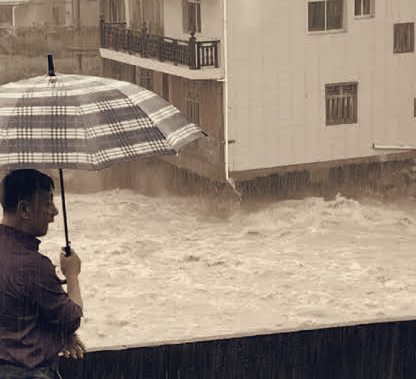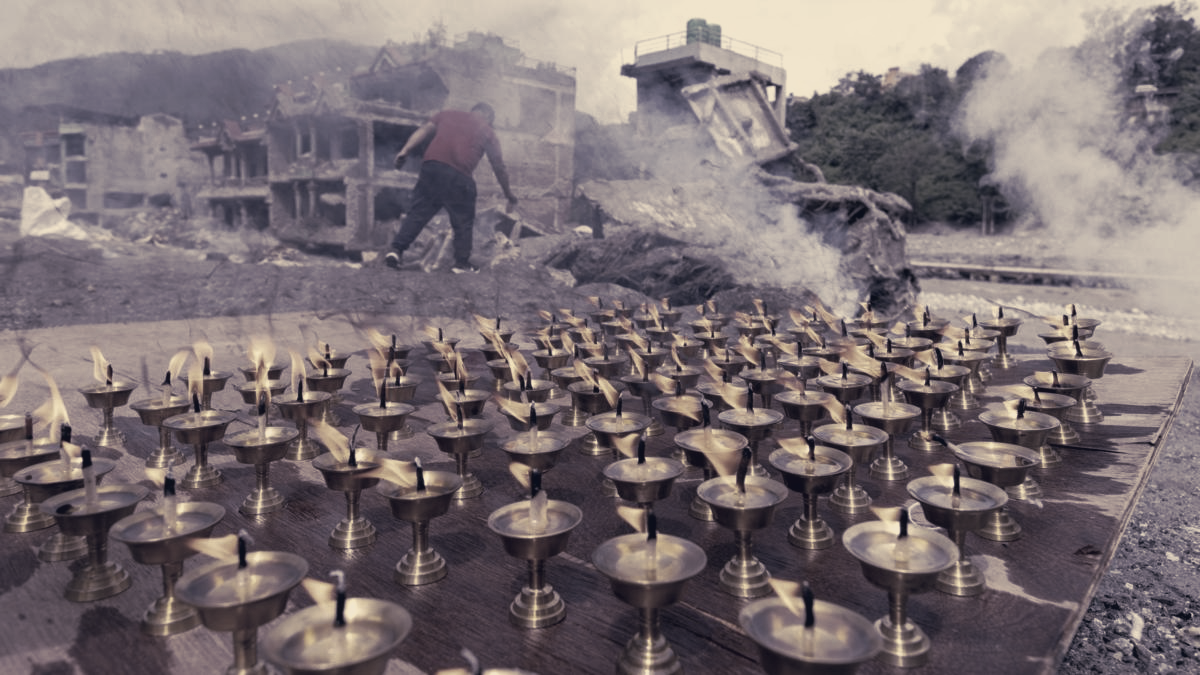

Nepal limited public commemorations on Monday while rescue teams pressed on searching for 5,083 people reported missing after a flash flood hit a Himalayan valley, a disaster that has killed at least 1,287. Flags flew at half mast and candles were lit for the final day of the traditional 13-day Hindu mourning period, but large government events were cancelled as teams concentrated on recovery work.
Phanindra Paudel of the National Emergency Operation Centre said, "no government programmes organised as the rescue and search operation is still going on in the flood‑hit areas." Candlelight vigils were scheduled for the evening, shifting public expression of grief to smaller, local gatherings while officials keep search priorities in place.
Nepalese President Ram Chandra Paudel toured areas devastated by the torrent, which officials say was likely triggered by a glacial collapse. The flash flood swept through villages in a valley along the border with Tibet, carrying away homes, infrastructure and sections of mountain. Military and civilian teams are conducting searches by land and air, and are concentrating efforts on hydropower tunnel systems where hundreds of workers may be trapped.
Army spokesperson Raja Ram Basnet said the effort continues, "with the same tempo we had on day one," and that operations are being carried out "on ground, by air, and in the tunnels." Foreign and local specialists are advising the response. Australian tunnel rescue expert Arnold Dix posted on X that teams face "multiple potential rescues, unfolding at the same time, in different places, each with its own dangers, uncertainties and lives that may still be saved."
Four people have been rescued in recent days, three from hydropower facilities or tunnel areas. One notable recovery on Saturday brought a 64-year-old woman from a partially buried house in Nuwakot district, more than ten days after the wall of ice, rock and mud struck; she was found on the building's fourth floor and airlifted to a hospital in Kathmandu.
Across the border, Chinese teams recovered twelve bodies at the Nepal-Tibet frontier using excavators, shovels and ground-penetrating radar. Chinese media reported 31 deaths and 531 people unaccounted for on the Tibetan side, adding a cross-border dimension to the scale of the calamity.
With thousands still missing, authorities say search and recovery will remain the immediate priority even as families observe the final day of formal mourning and small vigils take place in affected communities.