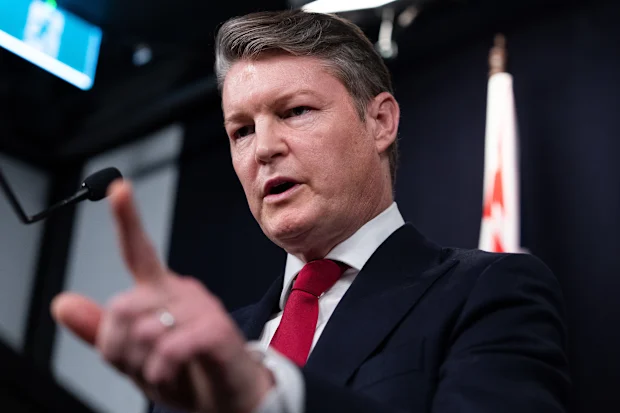

Victorians would gain access to free, walk-in dental care if Labor retains power at the November election, under a $230m state plan to open 10 public clinics. Premier Ben Carroll announced the proposal as Labor’s first major election commitment, telling a rally the plan is a “structural cost-of-living support” and a national-first action by a state government. “Only Labor will deliver free dental care for all Victorians,” he said in a statement.
The government says the clinics will offer checkups and common treatments including fillings, root canals and extractions. Services would be available without an appointment, with extended hours from 9am to 9pm on weekdays and 9am to 5pm on weekends, and priority given to people with urgent needs such as dental pain, swelling or recent injury.
Under the proposal seven clinics would be in Melbourne and three in regional Victoria, and once fully operational the network is projected to treat more than 100,000 people a year. Carroll told reporters the aim is to have the sites open by the middle of 2027, and when asked about eligibility he said, “we will be focusing on those people that don’t have private health insurance that need the care that they need.” Health minister Ingrid Stitt compared the clinics to the state’s urgent care network, saying, “Getting dental care shouldn’t be determined by your bank balance or where you live.”
Opponents seized on capacity risks. An opposition spokesperson said Victoria’s median waiting time for public dental care is seven months, compared with one month in New South Wales, according to Productivity Commission data, and argued the government already struggles to staff existing services. Stitt acknowledged high vacancy rates and said there will be more to say about “the workforce component of this election commitment.”
The announcement drew mixed reactions from community groups and minor parties. The Victorian Greens called the plan a limited response, saying a “handful of free dental clinics shows that Labor only acts on the cost of living when it faces electoral wipeout.” Greens health spokesperson Dr Sarah Mansfield added, “It’s a start – but with only enough places for a stadium’s worth of Victorians, getting an appointment will be harder than scoring Taylor Swift tickets.” The Victorian Council of Social Service welcomed the commitment but urged the government to prioritise low-income Victorians; CEO Juanita Pope warned people are “raiding their future retirement savings … or simply deferring the economic pain of a trip to the dentist while putting up with the inevitable physical pain.”
The plan sits against a national backdrop where Medicare does not cover most adult dental care and Australians shoulder the majority of dental costs. Australian Institute of Health and Welfare figures cited in the announcement show Australia spends more than $12bn on dental services, with about 61% paid by individuals, 19% by private insurance, 11% by the federal government and 8% by state governments. Victoria already allocated $239m in the 2026-27 budget to dental programs, including the Smile Squad in public schools.
Carroll dismissed the idea of seeking federal funding for the clinics, saying, “No, this is a statewide initiative.” New South Wales officials said they want to see more detail on the Victorian model but are not actively considering a similar scheme. With under 100 days until the election, Labor sources hope the announcement will move the party into campaign mode after weeks spent distinguishing Carroll from his predecessors; the government has signalled the next steps will focus on workforce planning and the rollout timetable.