Sick coal miners are losing access to federal benefits as a surge in black lung cases collides with an appeals system that can strip awards and force years of delay. Researchers reported rates of coal workers’ pneumoconiosis at their highest since 1978, even as a government review finds large numbers of approved claims are contested and dragged out.
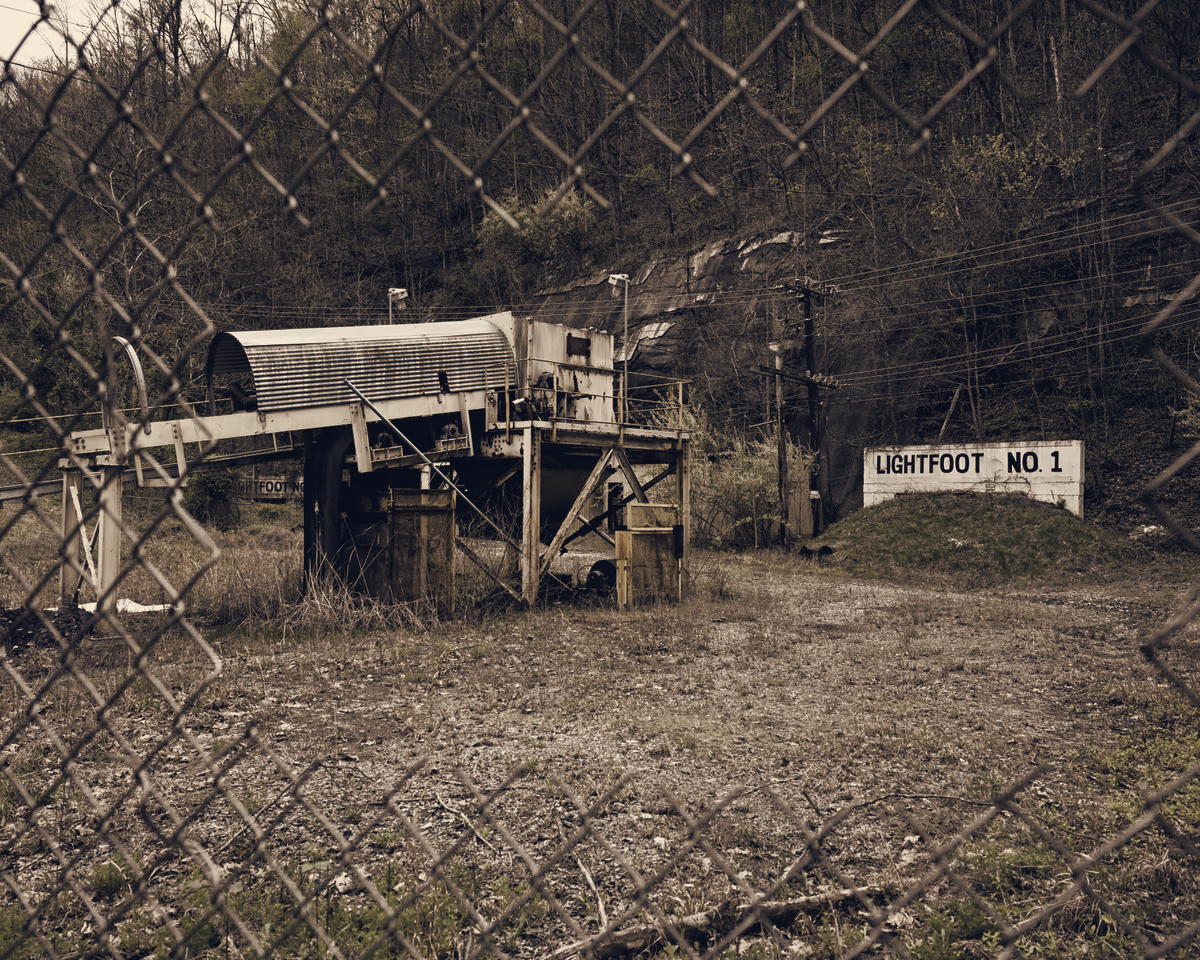
The Story in Pictures
One example is Josh Armes, who mined coal for 38 years in West Virginia and Virginia and is now 74. Armes was diagnosed with black lung after retirement and has relied on supplemental oxygen for about four years. In 2014, a coal operator appealed the federal black lung benefits he had been receiving, and the Armes family say they have been caught in appeals limbo for roughly 12 years while his condition has worsened.
The federal black lung program, created in 1969 to compensate miners disabled by coal dust exposure, covered 7,709 miner beneficiaries in 2024, the government accountability office reported. In the 2025 fiscal year about 22,500 beneficiaries, including dependents and survivors, received payments. Between 2013 and 2024, 40% of Department of Labor approvals were disputed, usually by coal operators, and the GAO found the median length of an appealed claim was three years or more.
The GAO detailed cases where initial approvals were later reversed on appeal, noting 390 beneficiaries whose claims were first approved had those awards denied after appeal and were left having to repay benefits. Miners told investigators they believed operators were either "waiting for them to die" or "waiting for them to give up" rather than paying out. Among 53,000 closed claims from January 2013 to August 2024, 11 took longer than 10 years to close.
The rise in disease is concentrated in central Appalachia, where National Institute for Occupational Safety and Health researchers found 32.5% of veteran underground coalminers show signs of black lung, a prevalence not seen since 1978. Between 2020 and 2023, more than 1,700 US coal miners died from black lung. The increase has been linked to higher levels of silica dust in seams mined today.
Miners and their families describe a costly, burdensome process of medical testing, travel and legal work to defend claims. "The burden of proof lies on the coalminer to prove that he has black lung," said Crystal Armes, Josh’s daughter. She and others say changes are needed so operators cannot repeatedly appeal after benefits are awarded.
Lawmakers pressed for the GAO review in 2023, and Democratic senators Mark Warner, John Hickenlooper, Tim Kaine and John Fetterman have introduced legislation aimed at improving the black-lung benefits system. For now, sick miners and their families remain stuck between rising disease rates and a contested benefits process that can take years to resolve.