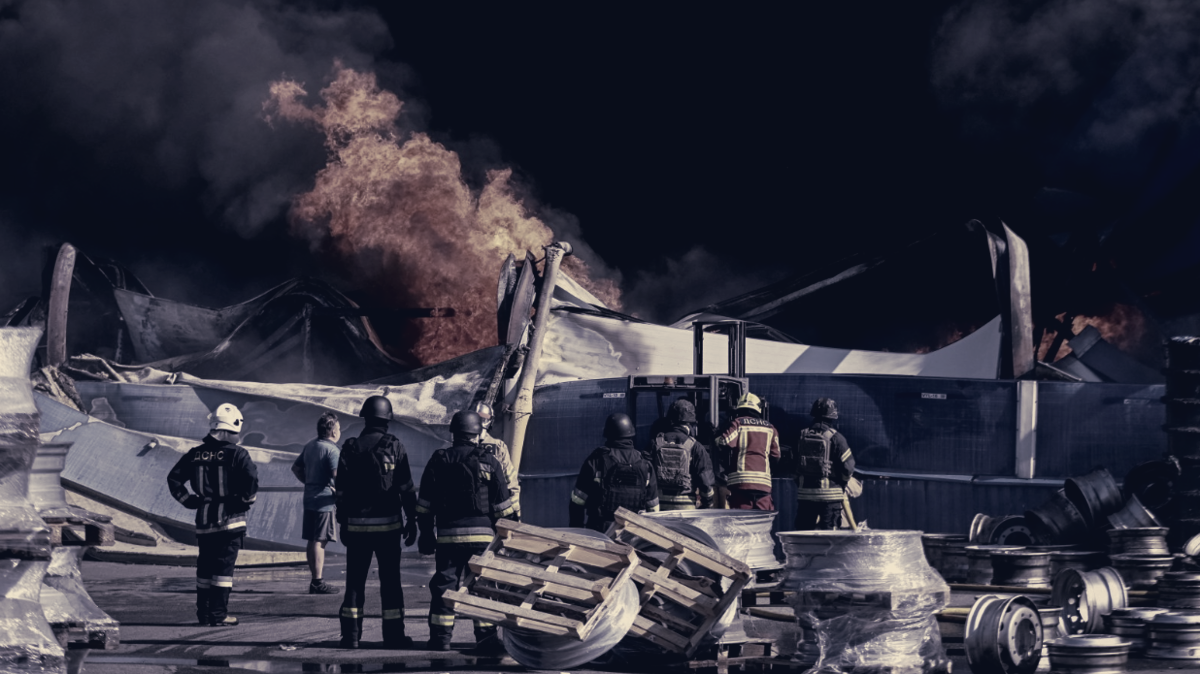

Civilians and responders are confronting a sudden spike in danger after a strike on a warehouse in Kyiv that killed at least 27 people and forced hundreds to flee nearby areas. The blast sequence, described by officials as a series of explosions, amplified destruction and complicated immediate rescue efforts.
The explosions prompted authorities to open an investigation to determine whether ammunition had been stored inside the building. That inquiry will be central to understanding why the blast cascade occurred and to shaping official explanations of what happened at the site.
Evacuations of the surrounding neighbourhoods followed the initial impact, creating logistical pressure on emergency services and leaving residents displaced. First responders had to contend with continuing hazards as the explosions flared, complicating search, recovery and containment operations.
Whether munitions were present will also frame the broader response, including scrutiny of how explosive materials are kept and whether those arrangements increased the risk to civilians. Officials investigating the scene will be tasked with establishing the sequence that led to the secondary blasts and assessing the implications for safety protocols in urban storage sites.
The human cost is clear in the confirmed death toll. Authorities have signalled the investigation will continue, and officials are expected to issue further updates as they establish the cause of the detonations and account for those affected. For now, residents remain displaced and the immediate priority is securing the area while investigators determine what role stored ammunition, if any, played in the scale of the disaster.