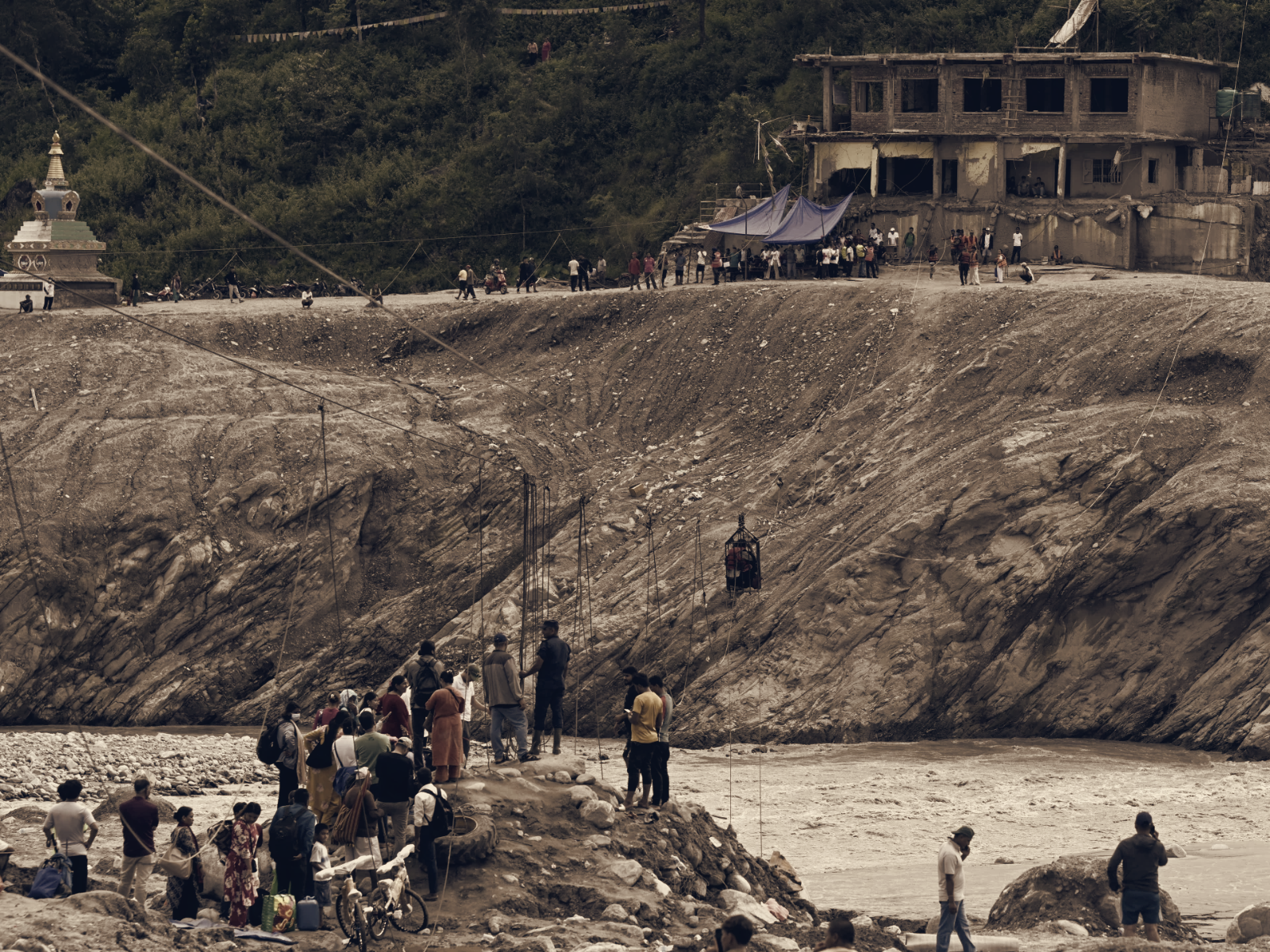
Communities in Nepal and across the border in Tibet lost lives, homes and critical infrastructure when an August 26 ice‑rock avalanche broke loose high in the Himalayas and sent a wall of water, mud and debris downstream, killing more than 1,400 people and leaving at least 6,000 missing by mid‑September.
The surge swept through valleys, destroyed 12 hydropower plants and buried roads, bridges and villages as it travelled from the Lhende Khola River to the Nepal‑China border. Scientists and emergency managers say the scale and speed of the event show how a high‑altitude trigger can cascade into a regional catastrophe in minutes, and that existing early‑warning systems often cannot cope with such chains of hazard.
Basanta Raj Adhikari, director of the Centre for Disaster Studies at Tribhuvan University, described the disaster as "unprecedented in size, affected area and mechanism," a comparison he used to convey the extraordinary energy involved. International experts have debated what exactly initiated the flood, with some agencies calling it an ice avalanche while others are investigating whether local seismic activity or temporary river blockages also played a role.
That uncertainty matters for alerts. Many warning networks are built to detect single triggers such as heavy rainfall, rising river levels or a glacial lake outburst. Saswata Sanyal, a disaster risk reduction specialist at the International Centre for Integrated Mountain Development, warned that lower seasonal rainfall does not mean lower risk and said, "A drier monsoon can still be a dangerous monsoon," highlighting that cloudbursts and sudden high‑altitude failures can bypass seasonal averages used to judge safety.
The Nepal disaster echoes findings from a new study of Indian‑administered Kashmir, which mapped 155 glacial lakes above 2,500 metres and found the area of ice‑contact proglacial lakes rose by 26 percent between 1992 and 2024. The authors classified five lakes as having very high susceptibility to outburst floods; an outburst from those bodies could threaten several thousand buildings, 15 major bridges, roads and a hydropower project, and might trigger secondary events downstream.
Irfan Rashid, a glaciologist who co‑authored the Kashmir study, warned that ongoing melting, thinning and destabilisation of glaciers, seasonal snow and permafrost across the Hindu Kush‑Himalayas will intensify risks and could contribute to major water shortages for the Upper Indus, Ganga and Brahmaputra basins by the end of the century without policy changes.
Disaster managers now face the hard task of building warning systems that detect rapid, multi‑stage failures high in remote mountain catchments and relay alerts across borders within minutes. The August event underlines a policy choice: invest in integrated, multi‑hazard monitoring and cross‑boundary communication, or accept that densely settled downstream valleys will remain vulnerable to sudden, unannounced collapses upstream.