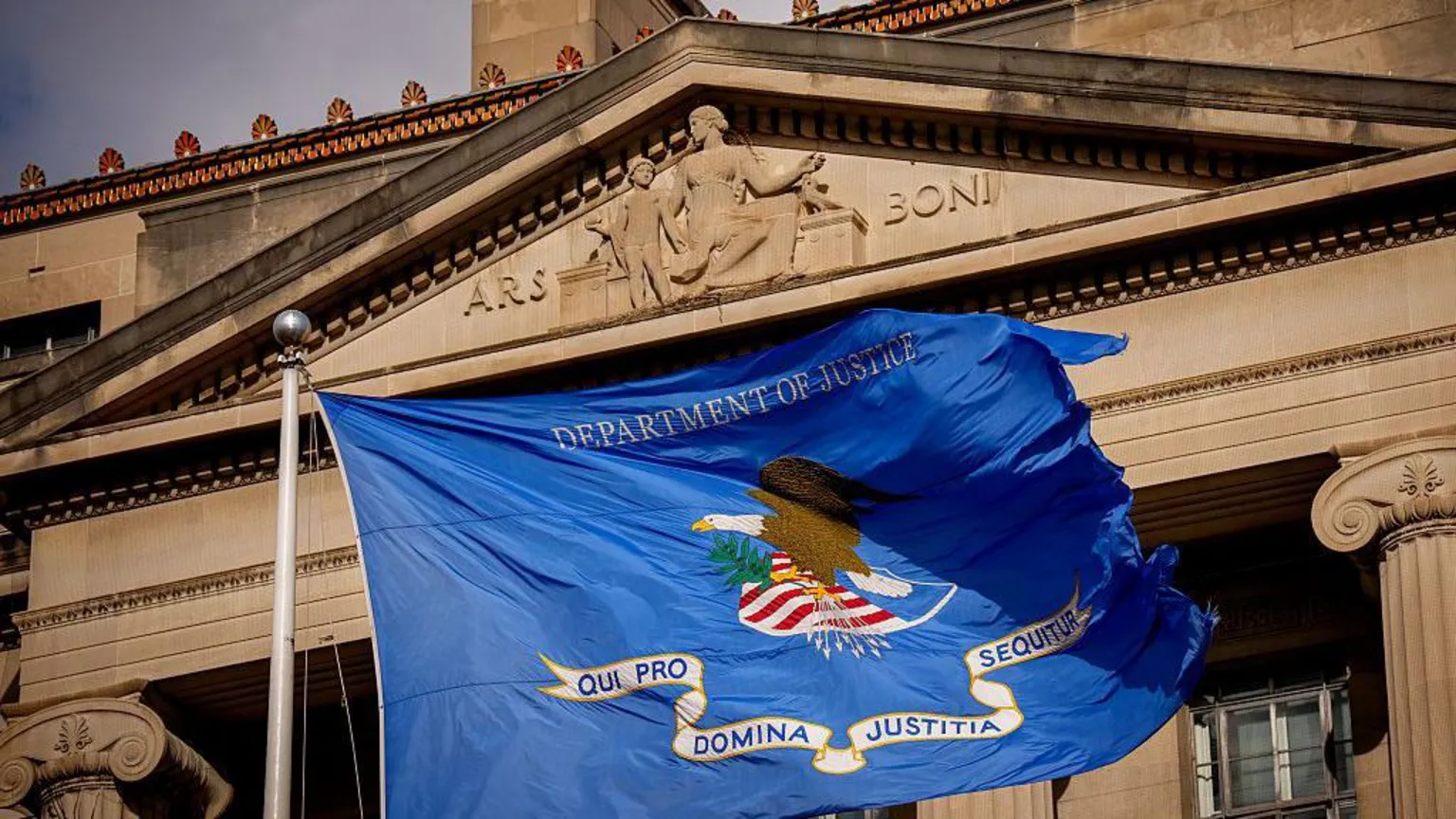

US universities, government agencies and private companies now confront confirmed allegations that a coordinated, state-linked cyber campaign stripped academic and corporate research on a vast scale. The Department of Justice has charged 17 Iranians it says worked for the Iran-based Mabna Institute, accusing them of running a years-long operation that penetrated 144 American universities and 42 US firms, and hit a further 178 academic institutions abroad.
The DoJ alleges the group extracted more than 31 terabytes of academic data and intellectual property, which it values at approximately $3.4bn. Investigators say Mabna targeted the accounts of roughly 100,000 academics worldwide and successfully compromised 8,000 professor email accounts at the 144 US universities. The campaign began around 2013 and continued until at least December 2017, the department said.
Officials framed the scope as a national security problem. FBI assistant director in charge James C Barnacle Jr called the coordinated attacks "a serious threat to our national security". The Justice Department added many intrusions were conducted on behalf of Iran's Islamic Revolutionary Guard Corps, and for "other Iranian government and university clients". Barnacle also said, "Backed by the IRGC, this operation reflects a broader, organised effort to target US institutions and global partners."
Beyond universities, the DoJ says Mabna compromised employee email accounts at a minimum of five US federal and state agencies. At least 42 US-based companies were targeted, along with 11 foreign firms in Germany, Italy, Switzerland, Sweden and the UK. The department describes the Mabna Institute, founded in 2013, as created to help Iranian academic organisations in "stealing access to non-Iranian scientific resources".
The Justice Department announced a $10m reward for information that leads to the location of five charged alleged hackers-for-hire. US Attorney for the Southern District of New York Jamie McDonald warned cyber operations have "become a central instrument of national power", and stressed the risks to US security and the economy. Nine of the 17 defendants were previously indicted in a seven-count indictment filed in March 2018, underscoring that parts of the network have been under US scrutiny for years.
Investigations and diplomatic ramifications are likely to continue as US authorities seek to locate the remaining suspects and assess the full damage to research and commercial intellectual property. The DoJ action makes clear American prosecutors and security agencies regard state-directed academic espionage as a sustained, high-value threat.