
Canadian exporters face new trade barriers after Ottawa announced dollar-for-dollar retaliatory tariffs on the United States, set to take effect on September 8. The move follows the collapse of talks in Washington and a fresh US measure, a 50-percent tariff covering about $20 billion of goods, equal to 5.5 percent of Canadian exports to the United States.
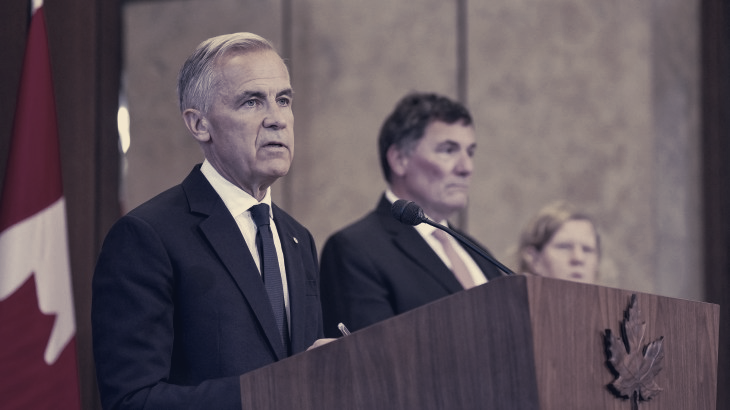
Prime Minister Mark Carney delivered the announcement in Ottawa on Saturday, framing the response as defensive. “You’re at war when you get attacked. We got attacked,” he said. Carney accused US negotiators of pressing terms that were “uneconomic, unfair and undermined the net benefits for Canada,” and added, “We cannot accept what they’ve offered, and we will not give what they’ve asked.”
The US levies hit a wide range of products, including wine, furniture, dairy, cement, clothing, fishing rods and hockey equipment. Ottawa says its countermeasures will notably target US steel and dairy industries and other sectors including electronics, with more details to follow next week. Carney told reporters Canada will match Washington’s tariffs dollar for dollar “in order to protect Canadian workers, farmers, families, and businesses.”
Canadian officials said talks broke down late Friday after the United States introduced new conditions, including restrictions on Canada’s trade deals with third countries and what Carney described as unacceptable “threats” to the French language and “Quebec culture.” A senior US official called the negotiations candid and not acrimonious, while US Trade Representative Jamieson Greer told Fox News Washington was “moving forward with measures that respond to Canadian retaliation” and that no new talks were planned.
The dispute sits alongside other unresolved trade work between the two countries, including revisions to the North American free trade agreement, USMCA, which the White House declined to keep in its current form. Ottawa has long sought relief from earlier US tariffs on autos, steel and aluminum, which Canadian leaders say have already hurt the economy and led to job losses. The White House has accused Canada of discriminatory treatment of US alcohol, automobile and dairy products.
Political reactions were swift. Governors from border states and Democratic lawmakers blamed the White House for creating chaos that will raise costs for US businesses and families. New York Governor Kathy Hochul posted on X, “Needlessly picking fights with our allies and raising prices here at home. That’s Trump’s economic policy in a nutshell.” Ontario Premier Doug Ford, after a call with Carney, urged unity and said, “President Trump is the type of person who would steal your lunch money.”
The Business Roundtable, representing 200 chief executives, warned the tariffs risk pushing up costs for American households and urged both governments to return to the table. For Ottawa, the episode has hardened a long-standing calculation: Canada must reduce its dependence on the United States, which still absorbs roughly 70 percent of Canadian exports. The immediate next steps are further tariff details from Ottawa next week and a diplomatic standoff with Washington, where officials say they will enact measures to respond to Canadian retaliation.