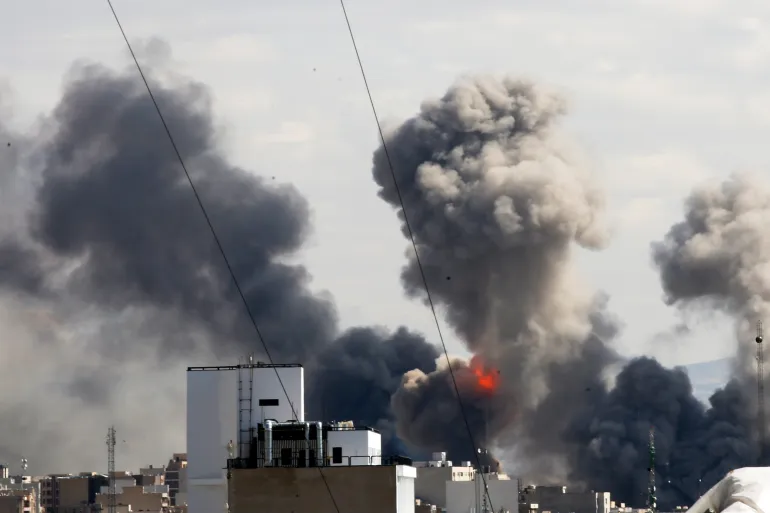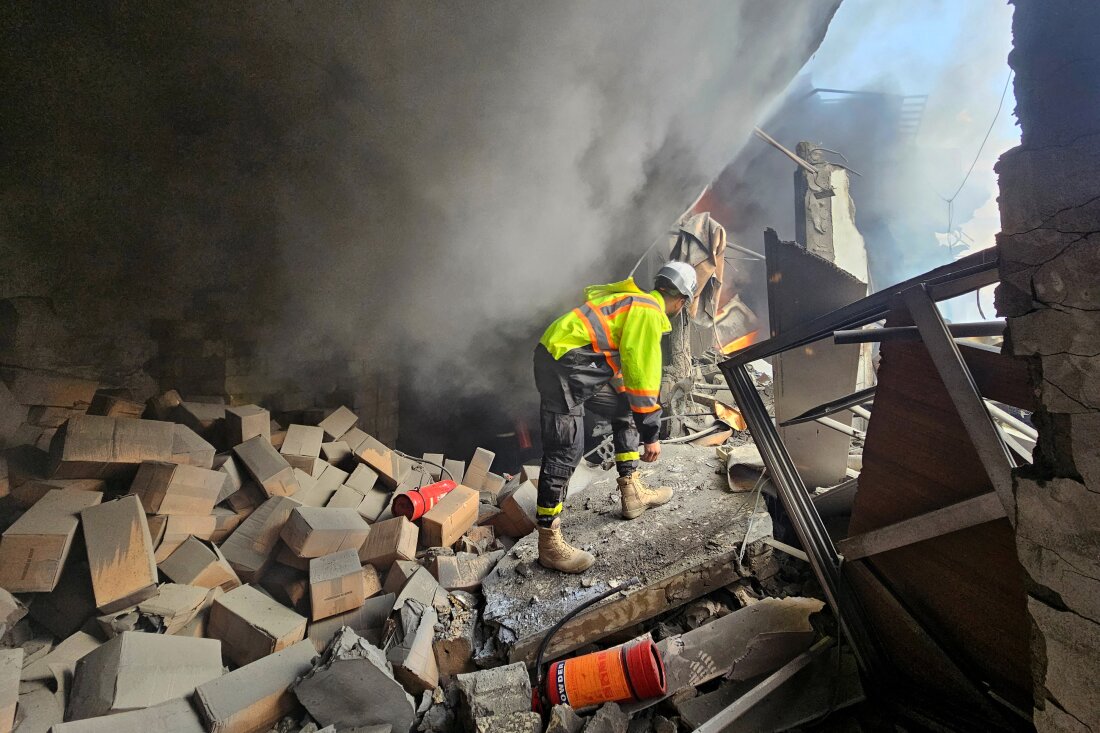

Lebanon suffered civilian casualties and mounting destruction after Israeli air strikes in the early hours of Monday killed at least 31 people and injured 149, the Lebanese health ministry said, a toll that may rise as search-and-rescue teams continue working.
The attacks, which Israel said targeted Hezbollah positions following rocket fire into northern Israel, mark a sharp escalation that shifts the balance of risk across the Levant and the wider Gulf.
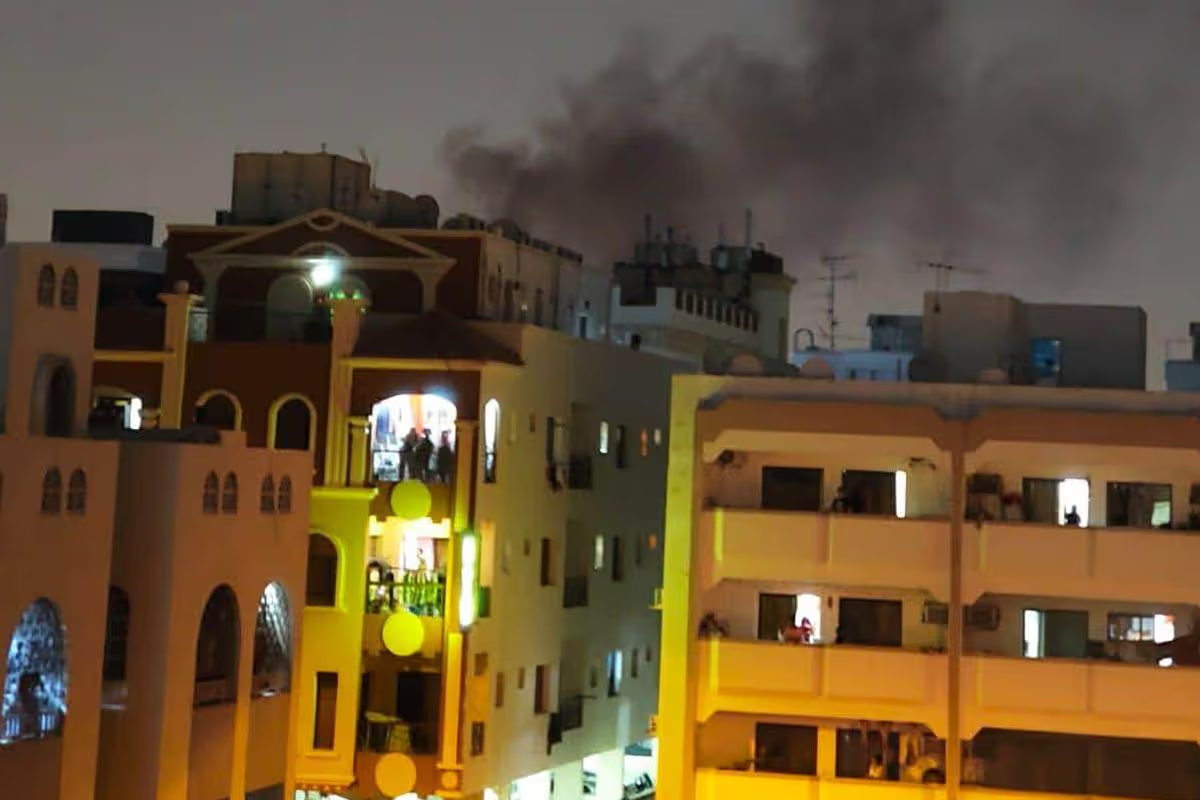
The violence is unfolding amid a broader surge in hostilities across the Middle East. Explosions were reported in Bahrain and Dubai, an oil refinery was seen burning in Saudi Arabia, and Kuwait’s military said several United States fighter planes had crashed though crew members were unharmed.
Iran’s Red Crescent Society reported 555 deaths following attacks by the United States and Israel across more than 130 cities, a claim that has not been independently verified. In Israel, an Iranian missile strike killed nine people in Beit Shemesh on Sunday.
A joint statement by the United States and six Gulf states described Iran’s actions as a dangerous escalation that threatens regional stability. The statement, issued in Arabic, was signed by Kuwait, Saudi Arabia, Bahrain, Qatar, Jordan, the United Arab Emirates, and the United States, and asserted each signatory’s right to self-defence as strikes continue in Bahrain, Iraq including the Kurdistan Region, Jordan, Kuwait, Oman, Qatar, Saudi Arabia, and the United Arab Emirates.
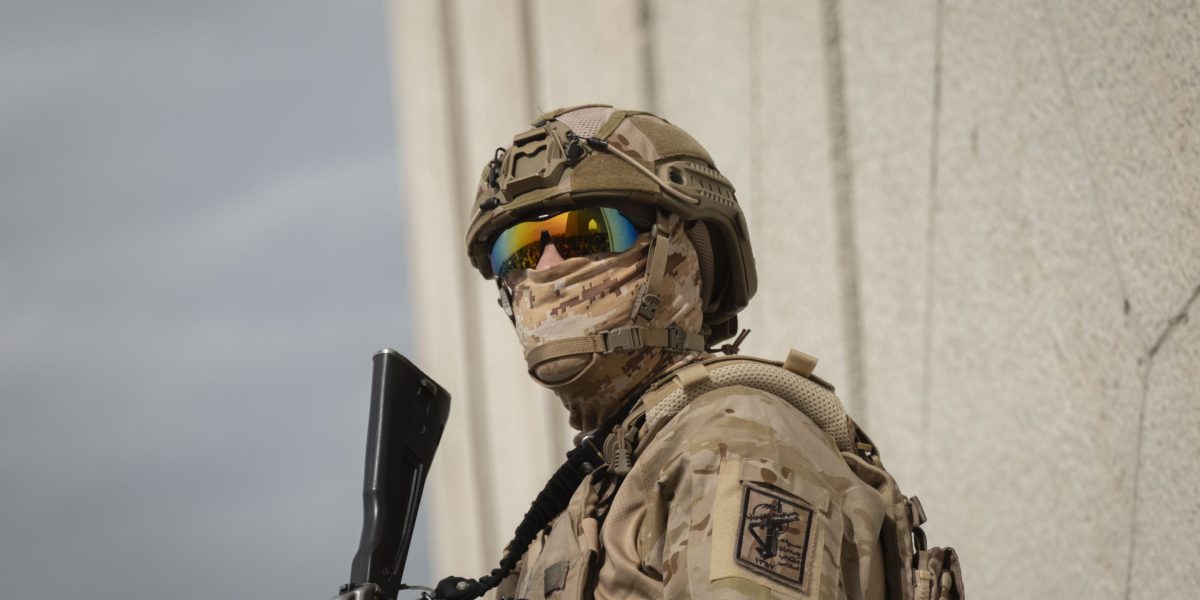
Israel has signalled readiness to widen the campaign. A military spokesperson told reporters that all options remain open, including possible ground operations in Lebanon, saying Hezbollah would pay a heavy price for striking Israel and confirming that close to 100,000 reservists had been mobilised and deployed along the northern border, with dozens of battalions, brigades and divisions positioned for defence and attack.
The immediate next steps are likely to include further military moves by Israel and continued diplomatic pressure from regional capitals, even as casualty counts and the geographic scope of fighting remain uncertain.
Faith Omoboye, the BusinessDay foreign affairs correspondent who reported the original dispatch, noted the conflict’s spillover into multiple Gulf states and the potential for further regional realignment as states weigh military responses and defence postures.