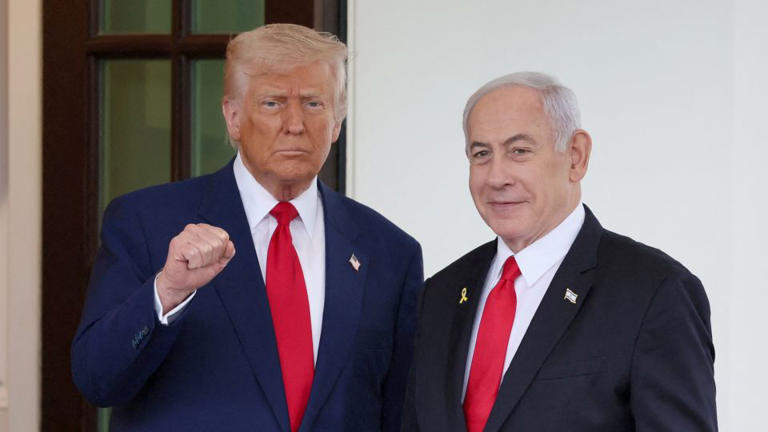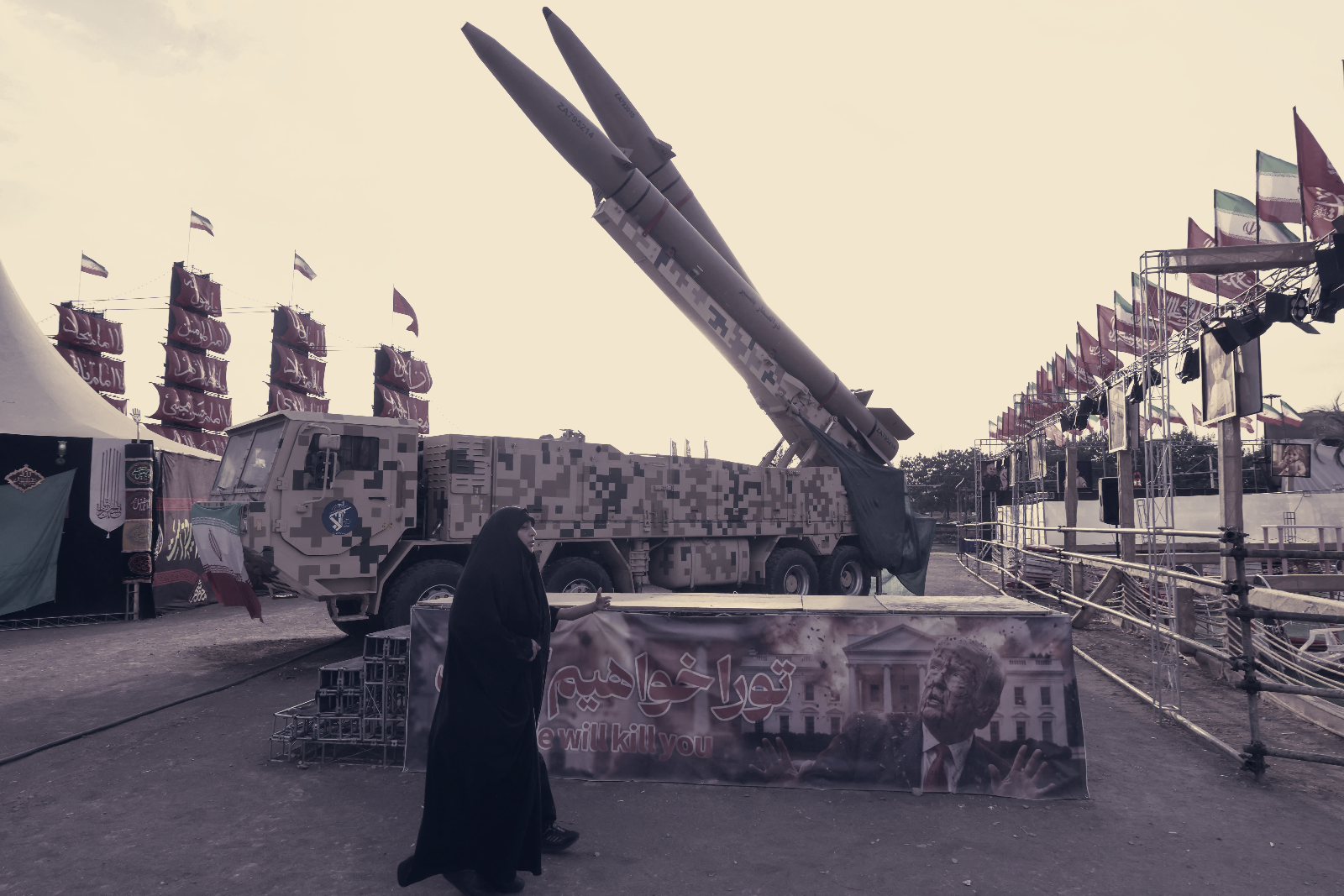

Oil prices rose after U.S. forces struck targets in Iran and Tehran hit back, while President Donald Trump insisted Washington is not trying to force Iran into talks. In a Truth Social post, Trump said he was "not trying to force Iran to the bargaining table," added that the U.S. has "almost total control" over the Strait of Hormuz, and described Iran as "playing out the inevitable," asking, "When are the Iranian people going to rise up and fight?"
The U.S. Central Command posted on X that recent strikes hit Iranian air defense and communications sites, and radar systems, in retaliation for what it called "recent attempted attacks" on commercial shipping in the Strait of Hormuz and on American service members. Washington said earlier that U.S. forces had struck rocket launchers on Iran's Larak Island after identifying preparations to fire rockets carrying sea mines into the Hormuz Strait.
Iranian forces then struck a U.S. base in Jordan, and Tehran's attacks extended to regional states. Jordan's armed forces spokesperson said on X that 10 of 13 missiles were intercepted by the country's air defense systems, and that the three that fell landed in remote areas. No injuries or deaths were reported. Bahrain's armed forces posted on Instagram that they had intercepted and destroyed a number of "treacherous Iranian air strikes today," after the country's interior ministry earlier issued "an alert of potential threat."
The exchanges pushed international benchmark Brent up 4.5% to $94.52 a barrel on Tuesday, while U.S. West Texas Intermediate futures rose about 5% to $90.03 per barrel, reaching levels not seen since July 24. The market response underlines how military actions in and around the Strait of Hormuz still translate quickly into higher crude prices.
Separately, U.S. Treasury Secretary Scott Bessent told Fox Business that the Strait of Hormuz will become a "worthless piece of water" in two years, arguing oil will instead flow via land pipelines that bypass the Strait. The recent strikes were the first direct exchanges between the U.S. and Iran in about a month, and follow an administration announcement of an "economic D-Day" aimed at Tehran's backers.
The immediate consequence is higher energy-market volatility and heightened risk to regional allies and shipping. Markets and military planners will watch closely for whether the cycle of strikes and counterstrikes continues or if diplomatic and logistical measures begin to change the strategic calculus around the Strait of Hormuz.