
States that side with Washington’s new effort to squeeze Tehran risk being branded enemies by Iran’s newly appointed top security official.
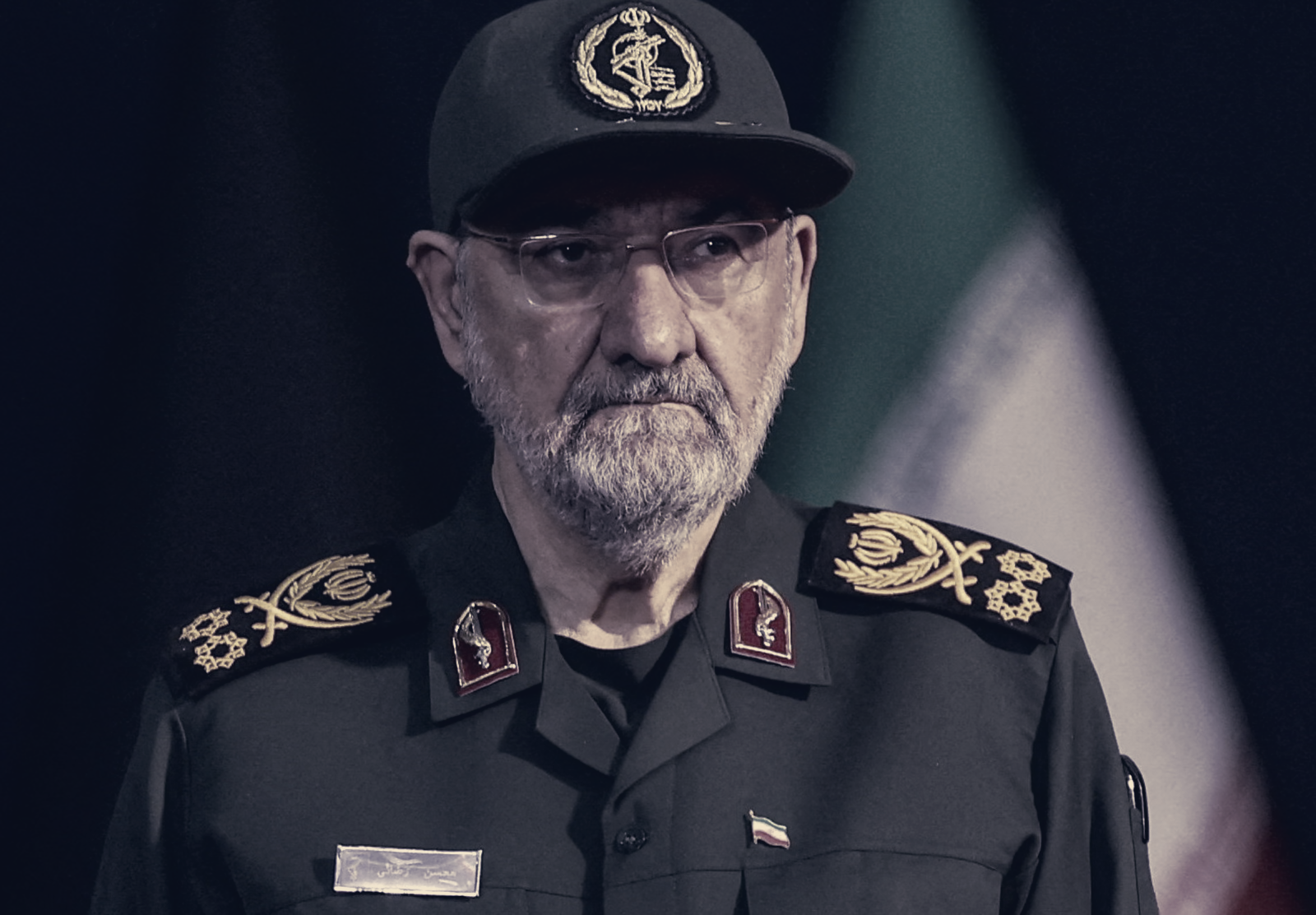
Mohsen Rezaei, named this month to lead Iran’s supreme national security council, used his first extended television interview since the appointment to put hardline pressure on neighbours and on the United States. Rezaei, who commanded the Islamic Revolutionary Guard Corps during most of the 1980–88 war with Iraq, told state broadcaster IRIB that Tehran would “considered an enemy” any neighbouring government that joined what he called the US “economic war,” and that “we will target their interests.”
Rezaei framed the response in both regional and global terms. He warned Iran could hit oil-shipping routes that run outside the Strait of Hormuz as alternatives to the strait become focal points for efforts to bypass Tehran. He also said Iran had held back from attacking commercial American targets so far, quoting, “we have not yet attacked any American economic interests,” and adding that, “So far, we have only targeted military bases, but if they want to impose economic sanctions on us, the United States has oil and economic companies around Iran and elsewhere, and we will strike them.”
The threat arrives as the US president has escalated a campaign to isolate Iran economically, warning of “tremendous economic consequences” for countries that do business with Tehran. That effort, described in US statements and carried out in part through Operation Economic Fury by the US Treasury, aims to cut off Iranian funding with targeted sanctions. Washington has also imposed a naval blockade in the Strait of Hormuz intended to limit Iran’s oil exports, which the country relies on to keep its economy afloat.
Diplomatic responses are mixed. Washington is urging governments, including China, to join the isolation effort, but Beijing has publicly criticised the approach as unlikely to resolve the wider conflict. One major trading partner, the United Arab Emirates, last week announced it would suspend all trade and financial transactions with Tehran until further notice.
Domestic control of the Strait of Hormuz has become an explicit point of leverage. A ceasefire reached in June collapsed, leaving Iran in control of the waterway that previously carried roughly one-fifth of the world’s oil supplies. The US president has also floated the idea of declaring the strait a US territory, telling reporters, “We control it with the blockade, and I like the idea of declaring it a territory,” and later saying, “We don’t even know if we won, because I view the strait of Hormuz as an American territory right now.”
Rezaei said Tehran continues talks with Oman on management of cross-strait passage and that fees would be imposed, signalling Iran intends to monetise its leverage. Meanwhile, Paris and Riyadh are moving to reduce dependence on the strait. French president Emmanuel Macron and Saudi crown prince Mohammed bin Salman are expected to discuss plans to develop alternative routes during the Saudi leader’s Paris visit beginning Sunday, and a France–Saudi taskforce on energy and logistics is due to meet at ministerial level on Monday. Officials say proposals include routing more trade through Omani ports outside the Gulf, expanding or doubling pipelines in Saudi Arabia and elsewhere, and building new rail links, with the taskforce focused on picking strategic projects, securing financing and assigning roles for French companies.
The exchange of threats tightens an already dangerous economic squeeze and raises the chance that commercial targets and shipping lanes, not just military sites, become battlegrounds. The next moves will come in two arenas: which governments join Washington’s isolation campaign, and whether regional infrastructure projects to bypass the Strait of Hormuz win the finance and political backing needed to make them operational. Both outcomes will shape who pays the economic costs of the conflict.