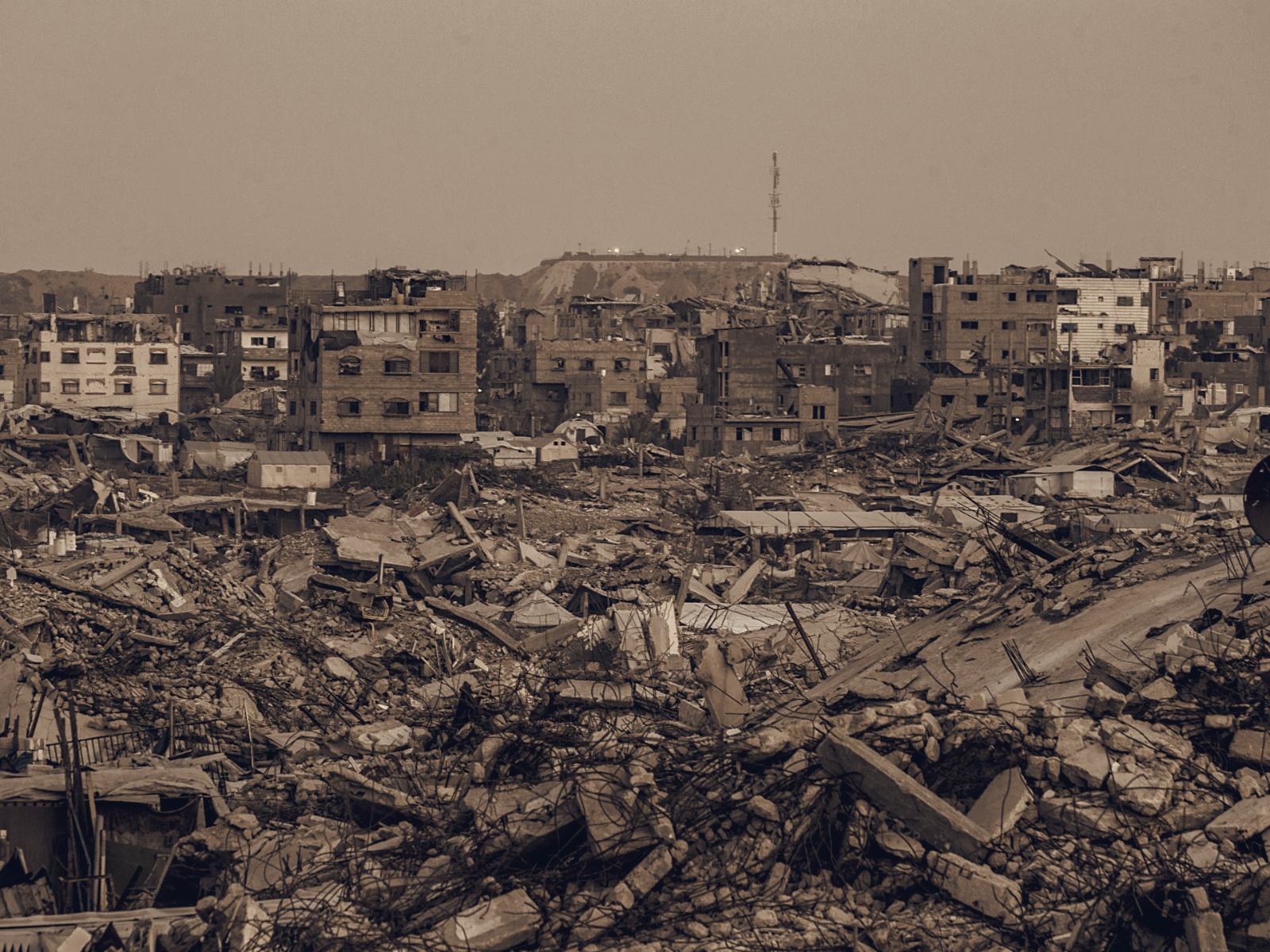
The territory’s immediate recovery is at stake after a UN trade body report put the funding requirement at $71.5bn and described Gaza’s economy as facing its "most severe economic crisis." The same assessment says the consequences of the Israeli occupation have "skyrocketed," and it reports that roughly 90% of Gaza’s workforce is unemployed.
Those figures point to a collapse of livelihoods across the territory. With nine in ten people out of work, household incomes have evaporated, consumer demand has stalled and local businesses face near-universal insolvency. The scale of unemployment undercuts tax revenues and public service provision, widening gaps in health, education and basic utilities without large-scale external finance.
Calling the situation the "most severe economic crisis" elevates the report beyond a technical reconstruction estimate. It frames Gaza as not simply damaged, but economically incapacitated, shifting the conversation from short-term relief to long-term economic stabilisation. The report’s use of "skyrocketed" to describe the consequences of occupation signals that structural harms have accelerated, complicating any rapid recovery strategy.
The practical consequence is a much larger financing and planning challenge for international actors. A $71.5bn headline number demands coordinated donor commitments, adapted reconstruction plans and sustained operational capacity. It also implies that piecemeal aid will be insufficient if the goal is to restore functioning markets and public infrastructure rather than provide temporary relief.
The report places a clear test on governments and aid agencies: either mobilise sustained, large-scale finance and a rebuilding strategy that addresses mass unemployment and structural damage, or accept a protracted period of economic collapse and humanitarian need in Gaza. The assessment reframes recovery as a political and financial project as much as an engineering one, and leaves the next steps in the hands of international policymakers and funders.