
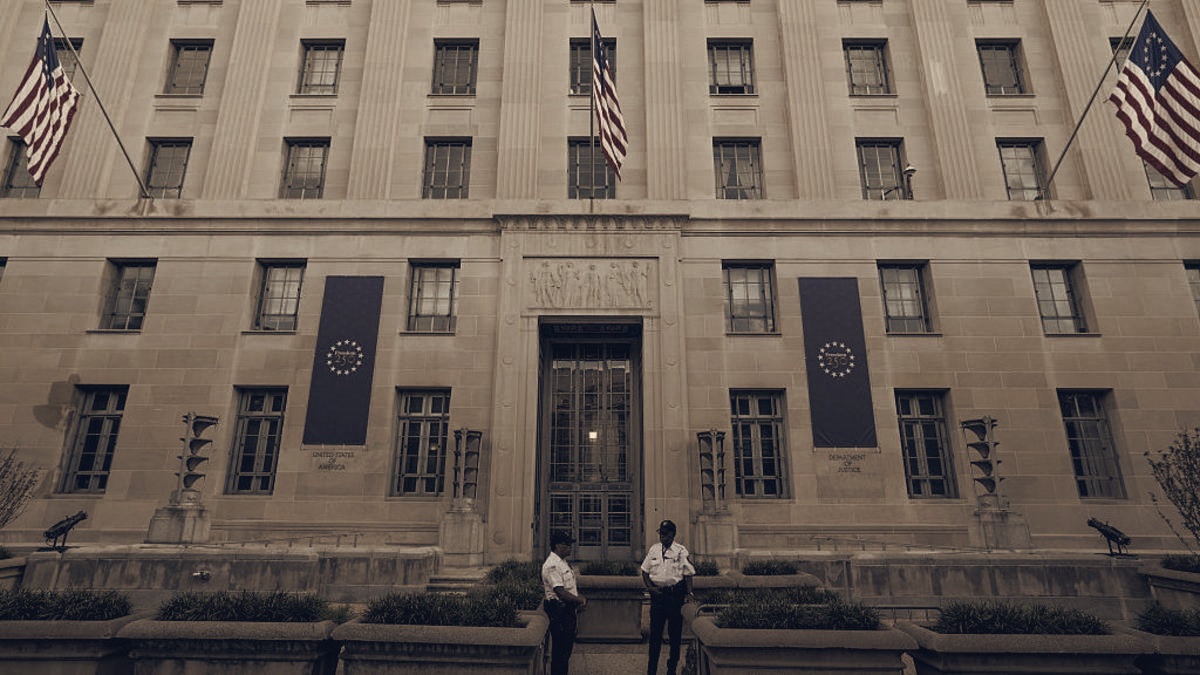
A lawful permanent resident lost her immigration status and left the United States after the government used the Alien Terrorist Removal Court for the first time, the Department of Justice and her lawyers said.
The tribunal, created in 1996 to handle national security evidence that cannot be publicly disclosed, held its inaugural hearing in July. Nazira Haji Zada, 47, who lived in Fort Worth, Texas, chose to depart rather than continue litigation before the secretive court, the DOJ and her defence team said.
Prosecutors did not charge Haji Zada with a crime, but federal authorities secured convictions against her son, Abdullah Haji Zada, and her son-in-law, Nasir Ahmad Tawhed, over an alleged plot to carry out a mass shooting on Election Day in 2024, inspired by the group calling itself Islamic State. Prosecutors accused Haji Zada of acting as the family matriarch who worked to radicalize relatives.
In a DOJ statement, the department said she "conceded that she is an alien terrorist and waived appeal of the removal order, terminating her previous [immigration] status." US Attorney General Todd Blanche added, "This landmark case, resulting in the prompt removal of this alien terrorist to her country of origin, is a win for national security and the rule of law," and said the case shows prosecutors will use available tools to protect the country. "Those who support and condone terrorism should not be living in the United States, and this first-ever case before the ATRC shows how the Department will use every tool at its disposal to protect our country."
Court-appointed defence lawyers Matthew Farley and Mary Manning Petras said they were denied access to the evidence relied on by prosecutors. They argued the process violated Haji Zada's constitutional right to due process, saying, "Dragging lawful permanent residents into court but refusing to show them or their attorneys the evidence that will be used against them is a plain violation of due process." The lawyers added they are "confident that the Alien Terrorist Removal Court will be struck down as unconstitutional as soon as a judge is asked to address the issue."
The case is the first public use of a tribunal designed to rule on deportations when sensitive evidence cannot be disclosed. Its deployment marks a concrete change in how the government can pursue removal on terrorism-related grounds without criminal charges and makes an immediate test case for courts weighing the government's secrecy claims against defendants' constitutional protections.
Legal experts and the defence have signalled that constitutional and procedural challenges are likely to follow in the coming weeks and months, with federal judges set to decide how far the ATRC may go in withholding evidence while ordering removals.