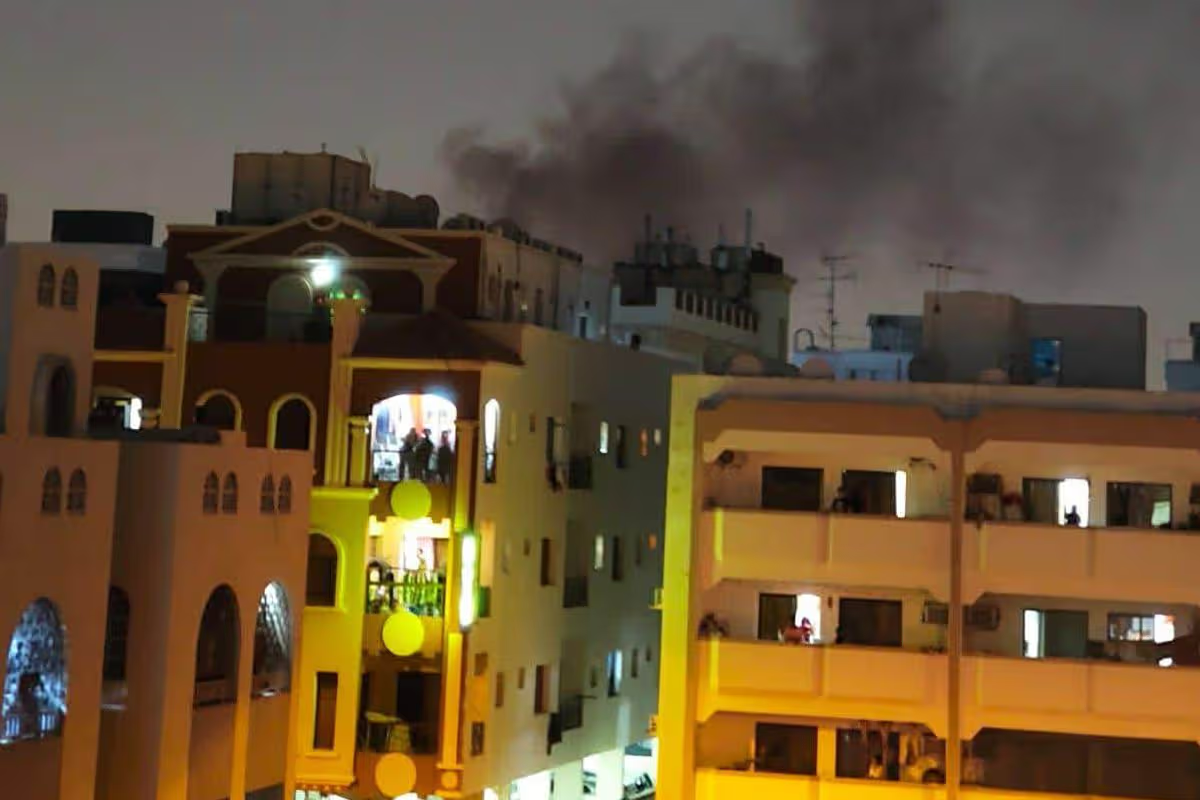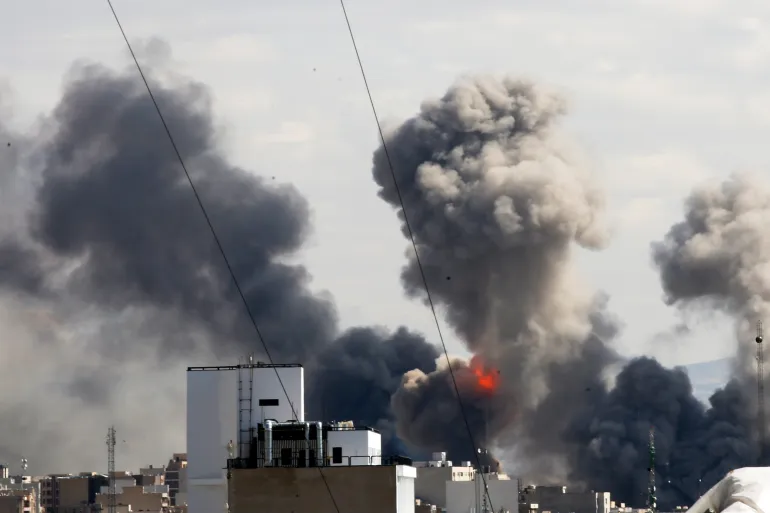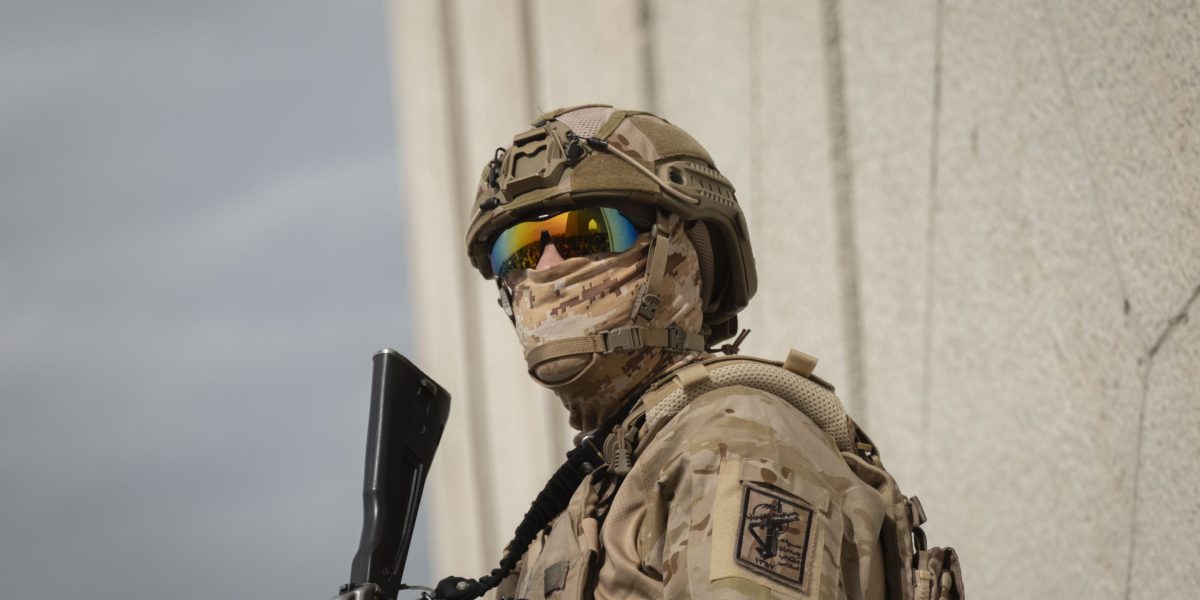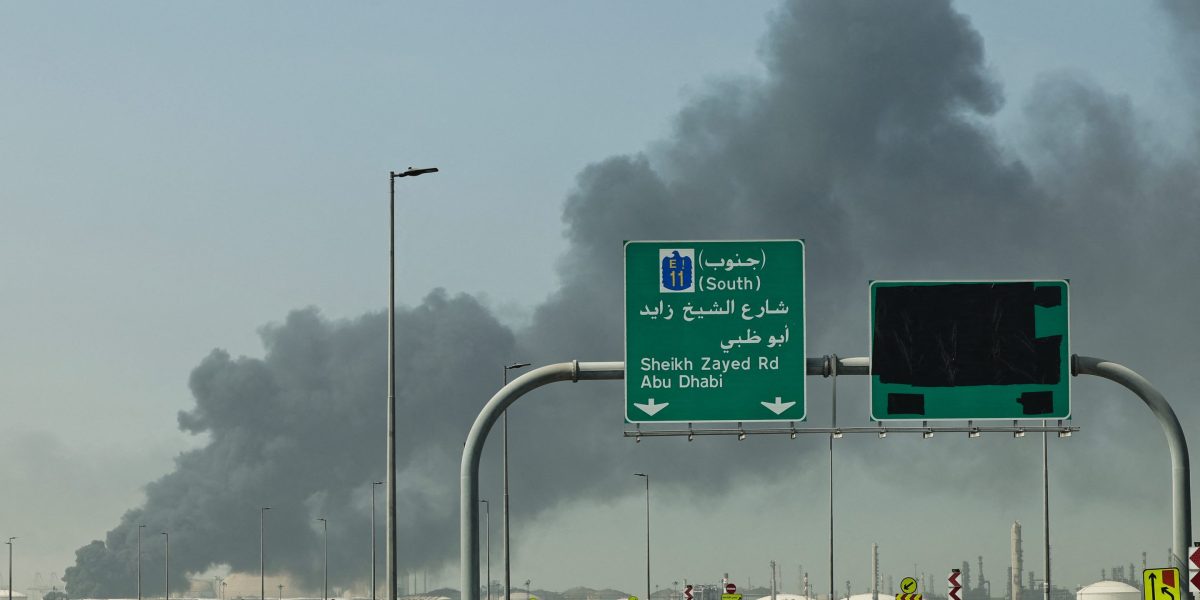

CEOs face immediate economic and security shocks as U.S.-Israeli strikes on Iran spread across the Persian Gulf. The conflict, which began this weekend, has moved beyond Tehran to Dubai, Doha and other regional hubs, undermining the Middle East's financial centres and trade routes.
Energy markets reacted first. Brent crude rose 10 percent yesterday to around $80 a barrel. Analysts and executives warn that if Iran closes the Strait of Hormuz, where a fifth of the world’s oil passes, prices could climb to $100 a barrel.
The U.S. Energy Information Administration estimates a $10 rise in crude roughly adds 25 cents per gallon at the pump, erasing one of the few recent reliefs for American consumers.
Security risks are broadening. Iran, already a major source of state-sponsored cyberattacks, is likely to escalate digital operations, making now the time for companies to review cyber protocols.
There are early signals of cyberwarfare: millions of Iranians received a message on the BadeSaba Calendar app, and Iranian operatives have been linked to shutdowns of gas stations in Jordan. Physical safety is equally urgent, with executives reassessing staff movements across the region.
One CEO said Riyadh currently appears the safest Gulf base for expatriate leaders, noting its open airport despite cancelled flights and a larger military arsenal than neighbouring hubs such as the United Arab Emirates. Many U.S. companies are already pausing travel, expansion and investment plans until the risk of a wider war is clearer.
The conflict is reshaping investor behaviour. Defence contractors are likely to benefit, while airlines, hotels and cruise operators face immediate pain as regional travel grinds to a halt.
Markets reflected the shock, with S&P 500 futures down 1.04 percent this morning and European and Asian indices off in early trading. Bitcoin fell to about $66,000. In the short term the dollar may strengthen as a safe haven, but strategists warn the crisis could accelerate longer term pressure on U.S. currency dominance.
For now, the immediate task for corporate leaders is pragmatic: stress-test contingency plans, communicate with stakeholders, inventory supply-chain exposure and harden cyber and physical defences.
The next business milestone will be a judgement call on whether the strikes and retaliations stay regional, or widen into a prolonged conflict that reshapes trade and capital flows across Asia, Europe and the Gulf.