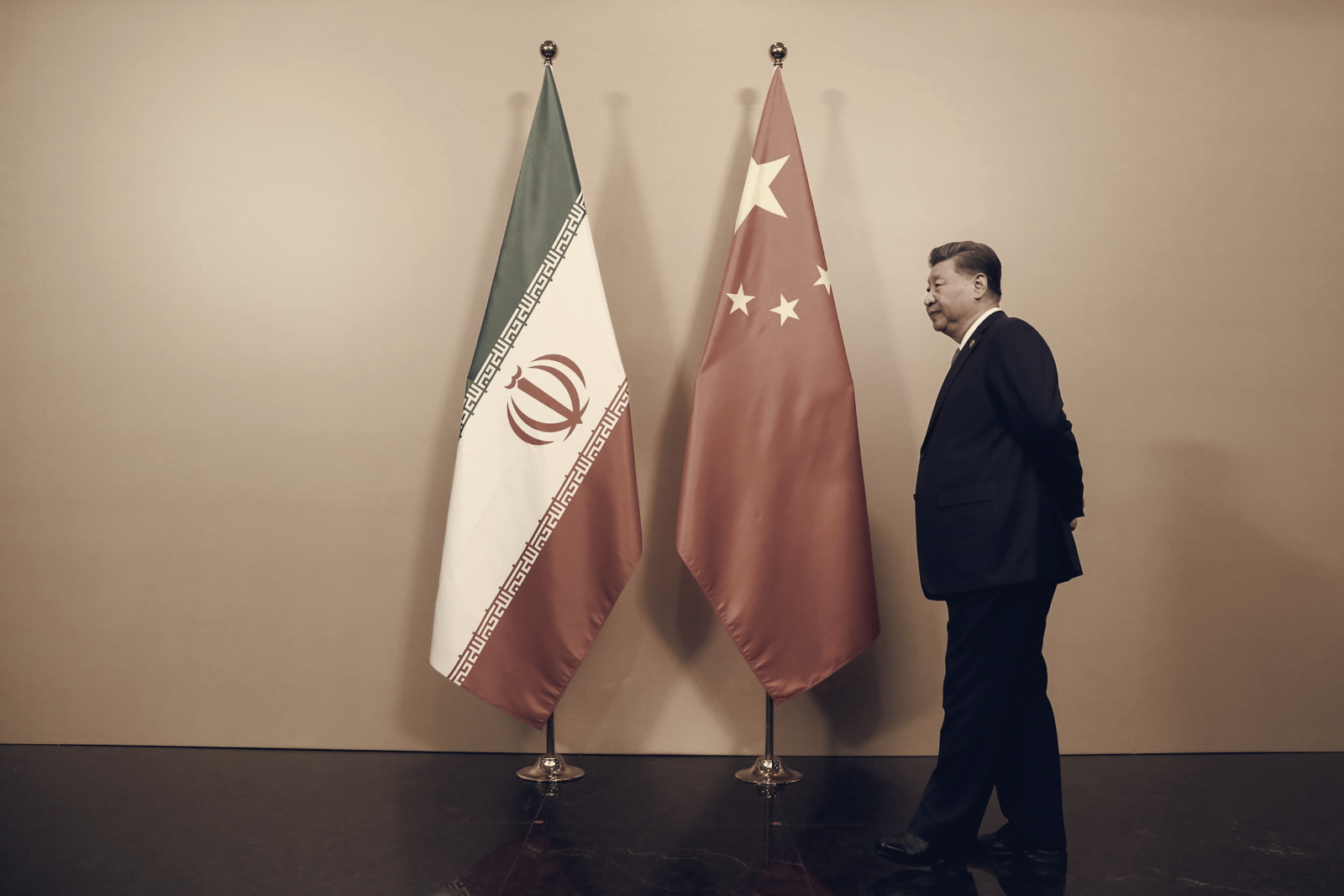

Beijing's diplomatic optics are at risk after President Xi Jinping held a brief, low-profile meeting with Iran's Masoud Pezeshkian just weeks before a planned summit with President Trump. The two leaders spoke for several minutes on the sidelines of the Shanghai Cooperation Organization summit in Kyrgyzstan, Iranian state media reported, but Chinese outlets made little or no public mention of the encounter.
The SCO gathering included leaders such as Russian President Vladimir Putin and Indian Prime Minister Narendra Modi. Chinese state media, including the Communist Party's flagship People’s Daily, highlighted Xi's meetings with other visiting leaders, yet omitted coverage of the talk with Pezeshkian. Modi, by contrast, published photos of his meeting with the Iranian president.
Washington-based Asia Group strategist Han Shen Lin summed up the posture, saying, "Xi is keeping Iran at arm's length publicly while still maintaining contact privately." The SCO leaders issued a joint statement condemning the military strikes on Iran while backing member states' right to civilian nuclear development under the Nuclear Non-Proliferation Treaty, but the statement did not commit members to specific military or economic support.
Analysts see the muted approach as deliberate. Alfredo Montufar-Helu, managing director at Ankura China Advisors in Beijing, said the quiet meeting reflects frustration in Beijing, adding, "This is Beijing signaling some real dissatisfaction with Tehran." He also warned that the informal conversation shows China has not closed the door on engagement.
The restrained optics come amid broader tensions between China and the West. At a Group of 20 finance ministers' meeting in Asheville, N.C., Treasury Secretary Scott Bessent urged members to confront what Washington describes as manufacturing overcapacity and trade imbalances, saying ministers had "broadly concurred" on the need to address such problems. China last year grew its trade surplus to a record $1.2 trillion, a gap that has drawn criticism from Western governments.
Beijing has been Iran's largest buyer of sanctioned oil, but flows through the Strait of Hormuz have fallen sharply since the war began as China slashed imports and tapped its reserves. Dan Wang, China director at Eurasia Group, said the sideline meeting underscores Beijing's influence in the Iran war and across the Global South, and that the conflict will likely dominate the Trump-Xi agenda. She warned that any U.S. push to expand secondary sanctions to Chinese banks or companies could prompt a firmer reaction from Beijing.
The Chinese embassy in Singapore did not respond to requests for comment. It remains unclear whether Beijing will raise the public profile of its relationship with Tehran once Xi's Washington visit is complete.