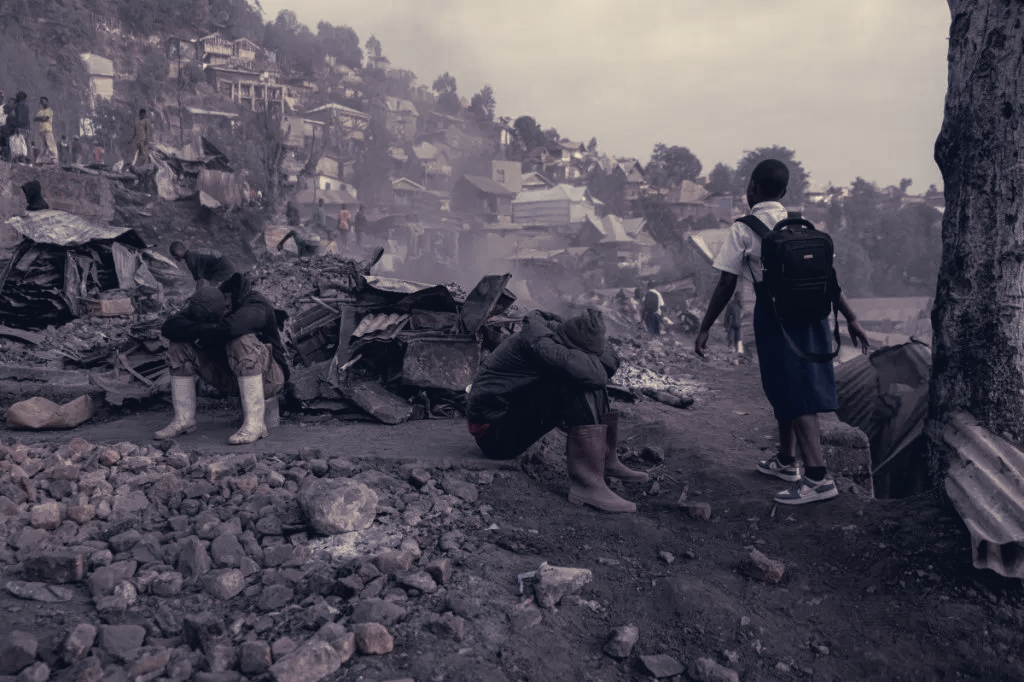
The confirmed toll, communicated by UNICEF, makes this one of the deadliest reported incidents of its kind in the region. Beyond the immediate human cost, the event raises urgent questions about safety procedures and emergency preparedness at schools where children gather for lessons.
UNICEF’s public confirmation brings international attention to the incident and may focus resources or advocacy on protecting learners and improving school infrastructure. The agency’s involvement typically signals concern for the wellbeing of survivors and families, though the organisation did not outline what steps it will take in this case.
Local education officials, school staff and parents will now confront the aftermath: grief, trauma, and the practical challenge of ensuring other students can continue learning safely. Where a fire and a subsequent crowd surge converge, the risk to children increases sharply, and communities must contend with both immediate rescue and longer term measures to prevent repeat tragedies.
At present there is no public record in this report of what caused the fire, how the stampede began, or whether authorities have opened a formal inquiry. Those unanswered questions mean the full sequence of events and responsibility for the losses remain unclear.
What happens next will depend on responses from local and national authorities, humanitarian agencies and the school community. UNICEF’s statement places the incident on the international radar, which could pressure officials to clarify causes, to assess safety at other schools, and to offer assistance to affected families, but no specific follow-up actions were detailed in the agency’s notice.