Police face a rapid rise in organised anti‑migrant vigilantism, after at least 28 groups emerged across the UK in the past 18 months, raising the risk of local disorder and intimidation. The formation of new outfits has been concentrated since the summer of 2025, with a marked spike in August 2025 following a flag operation by one group and unrest at an asylum hotel in Epping.
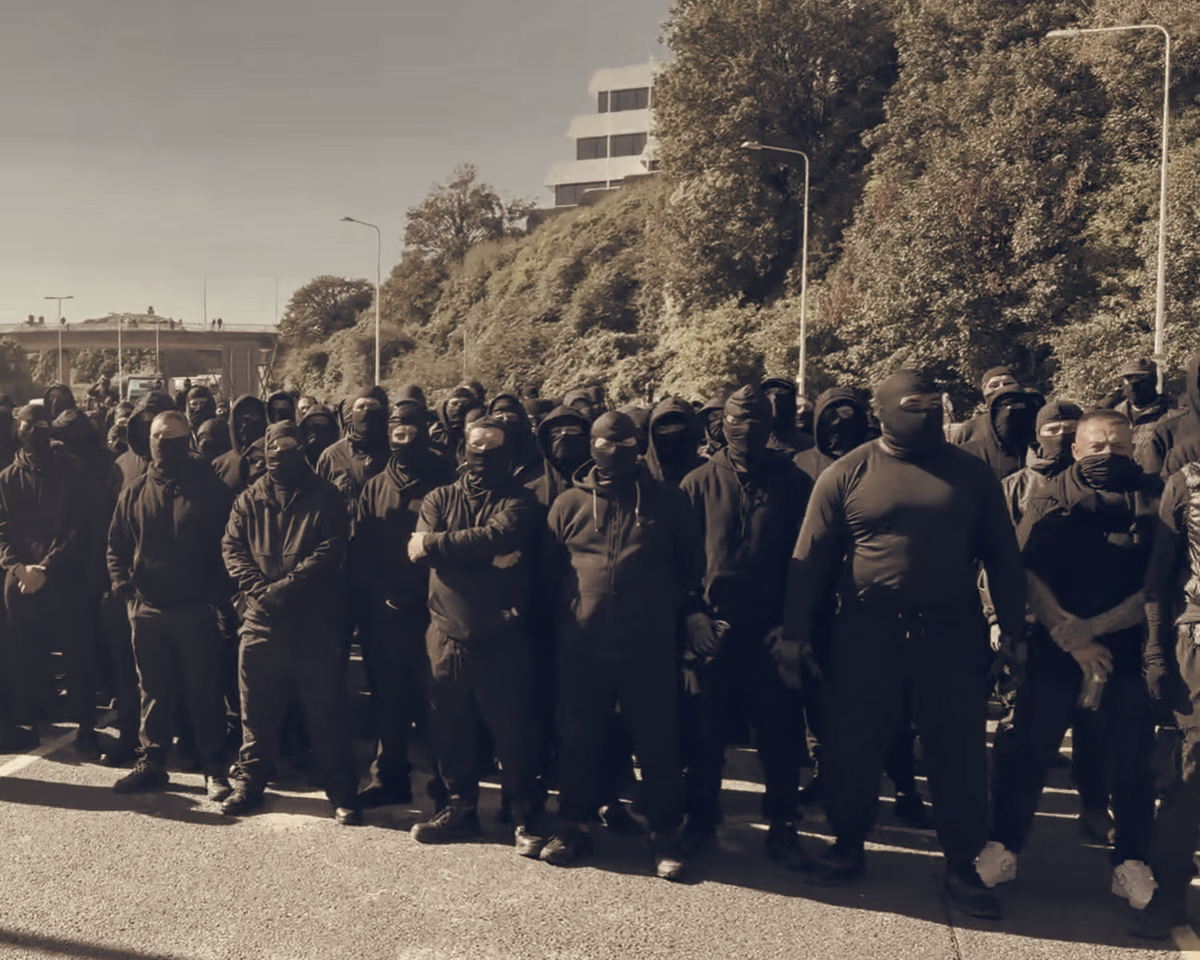
The groups vary in scale and tactics. Some are unauthorised street patrols that claim to protect women and children, others have travelled to France to interfere with migrant crossings, and some activists have staged blockades at ports. They operate nationwide, from Belfast to the south coast, and present themselves in different uniforms and gear, including black clothing, balaclavas and security equipment.
Named examples underline the breadth of activity. Scots Active runs late‑night patrols around Glasgow city centre and has at times worn balaclavas and stab‑proof vests while saying it aims to protect women and girls; it was one of two groups removed from TikTok earlier this year after sharing footage it said exposed migrant hotels. Raise the Colours travelled to France in 2025 and recorded members claiming to have slashed dinghies on beaches, and France later banned 10 members from entry. The far‑right Patriot Platform blocked roads near Dover for several hours on a recent Saturday, disrupting traffic to and from the port.
Events over a single weekend highlighted operational and policing challenges. Kent officers later acknowledged they had failed to act on calls made the previous evening after Patriot Platform activity, and in Portsmouth about 200 black‑clad men gathered after 120 asylum seekers were brought ashore, blocking roads and allegedly assaulting several police officers.
Some organisations present themselves as community safety projects. The British Security Project recruits volunteers for so‑called visible deterrent patrols and sets an ambition on its social channels to provide 124,000 security personnel to public spaces by 2035. When contacted, a spokesperson said the group was neither vigilante nor anti‑migrant. "The British Security Project is a developing non‑profit community protection organisation committed to lawful, peaceful and accountable volunteer action," they said. "It has no police or immigration‑enforcement powers, does not permit people to be targeted because of their nationality or immigration status, and expressly prohibits vigilantism, intimidation, racism and unlawful discrimination."
Other groups have moved beyond visible patrols. In Belfast a vigilante group named Belfast Nightwatch First Division reportedly challenged dark‑skinned males to produce identification documents, and last summer campaigns of intimidation included targeted stops and identity checks of people perceived to be migrants.
Experts warn the tactics create recruitment and legitimacy risks. "At the heart of most vigilante groups is the claim that the authorities are incapable or unwilling to protect a country’s citizens," said Dr Julia Ebner of the University of Oxford. "This is a dangerous dynamic, because when trust in authorities is undermined this can quickly translate into justifications of running their own policing operations or even violent campaigns, all supposedly for a good cause." She added that uniforms and staged patrols can project authority and help movements recruit new members.
The rise has prompted political direction. Home Secretary Shabana Mahmood has urged police to curb the activities of these groups and told senior officers to make full use of their powers. Counting rules used in the analysis required groups to have taken the law into their own hands explicitly in opposition to migrants or asylum seekers; conventional protest groups and political parties were excluded. The immediate questions for police and local authorities are whether they can prevent further escalation and how they will enforce the line between protest and unlawful vigilantism.