
Nigerians are losing confidence in everyday products as counterfeit medicines, foodstuffs and personal-care items spread through shops, markets and roadside stalls, increasing the risk of poisoning, failed treatment and death. Imitators now copy packaging, seals and registration details so well that consumers often cannot tell genuine goods from fakes by sight.
The range of forged items documented includes antimalarial and other drugs, toothpaste, baby products, cosmetics, supplements, alcoholic and soft drinks, and processed foods. Videos have circulated showing persons stamping cartons and others producing beverages in unhygienic conditions, underscoring how extensively the trade has moved beyond small-scale knockoffs into organised, industrialised counterfeiting.
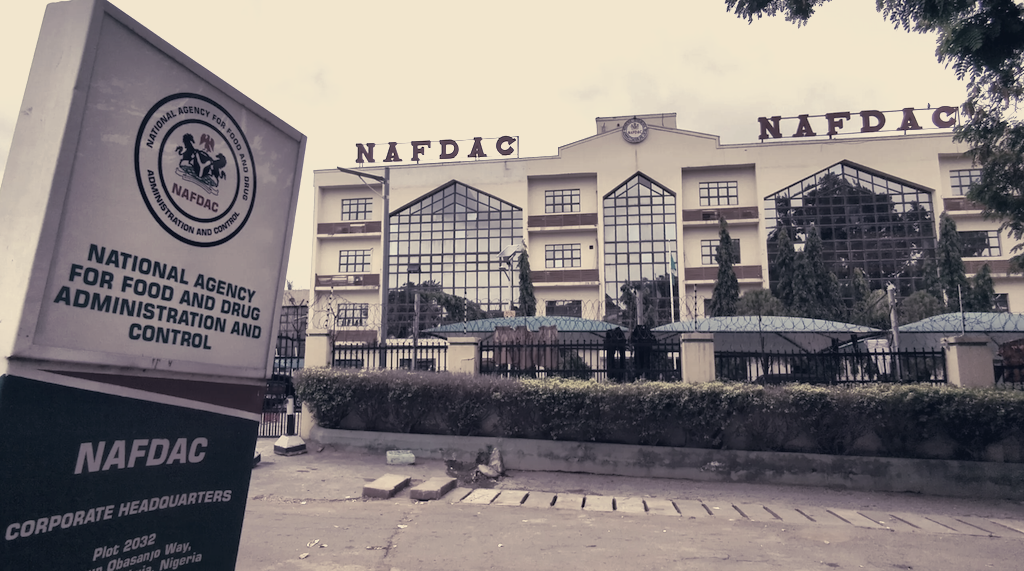
The National Agency for Food and Drug Administration and Control has issued alerts and recalls over substandard, falsified and unregistered products. Nigerian law bars the manufacture, sale and distribution of counterfeit, adulterated or expired drugs and unwholesome processed foods, but enforcement faces limits. The agency cannot inspect every market, warehouse, pharmacy, online seller or roadside vendor each day, creating gaps counterfeiters exploit.
Counterfeit medicines are especially dangerous because they can deliver little or none of an active ingredient, allowing treatable illnesses to worsen. Adulterated foods and drinks expose entire households to contaminants that may cause no immediate symptoms yet produce long-term liver or kidney damage, poisoning or, in severe instances, death. Children, pregnant women, the elderly and those with chronic conditions are most vulnerable.
Economic pressure helps explain demand. When a legitimate product sells for ₦10,000 and a visually identical alternative is offered for ₦6,000, many consumers will choose the cheaper option. That dynamic draws illicit operators to target low-income shoppers and informal supply chains.
Stopping the trade will require coordinated action. Border control, the Nigeria Customs Service and security agencies need improved intelligence-sharing with NAFDAC so suspect consignments are intercepted before they enter the domestic market. Law enforcement must remove fakes swiftly and impose meaningful sanctions on manufacturers and distributors involved in the trade. Genuine producers should invest in verifiable anti-counterfeiting measures and work with regulators to make authentication available to consumers.
For now, the immediate steps available to Nigerians include buying from reputable outlets and reporting suspected falsified products through NAFDAC’s reporting platform with photographs and evidence. Without stronger enforcement and greater consumer vigilance, counterfeiters will continue to profit while the public pays with their health.