
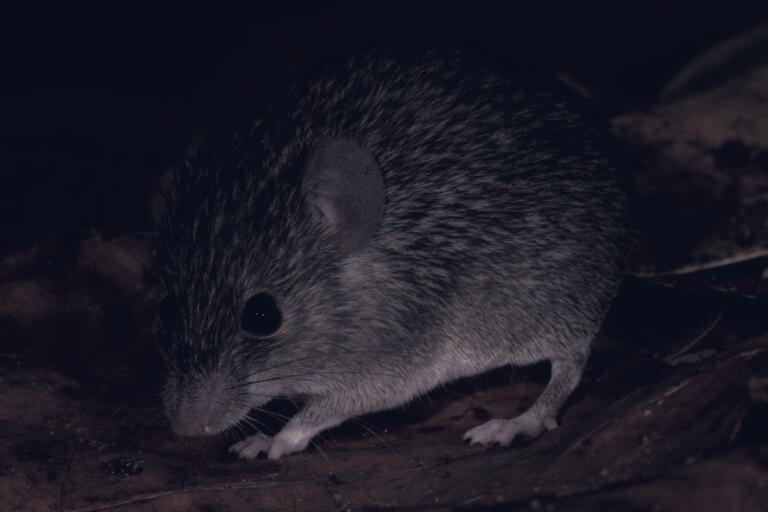
A targeted trapping programme using burnt coconut bait produced the discovery of a new mammal species restricted to Sri Lanka's Knuckles Mountain Range. The first specimens were caught along the forest edge beside paddy fields at Puwakpitiya, a village on the northern flank of the Knuckles, locally called the Dumbara mountains in Central Sri Lanka.
Field teams worked at dusk, installing drift fences to guide small mammals into pitfall traps and setting box-style Sherman live traps baited with feed. The standard lure for rodent surveys, peanut butter, failed to attract the local mice, so researchers switched to pieces of burnt coconut, a bait more familiar to animals in the landscape. On March 11, 2004 a pitfall trap yielded a small mouse, and a second specimen was captured in a baited trap six days later.
Both animals were adult females, each no larger than a child's palm. Their fur was described as fulvous-gray with spiny guard hairs, and both bore a slender, naked tail that extended longer than the combined head and body. In outward appearance the mice resembled Mayor's mouse, Mus mayori, an endemic highland species, but the newcomers showed distinct differences in tail length and head shape that flagged them as a separate taxon.
The species has been named the Dumbara spiny mouse, Mus dumbara, and to date is known only from the Knuckles Mountain Range. The photograph associated with the finds shows Puwakpitiya, the village where the first specimens were trapped, image courtesy of Suyama Boyagoda. Those initial captures in 2004 provided the morphological clues that distinguished Mus dumbara from other Sri Lankan rodents and established the Knuckles landscape as its currently known home.