
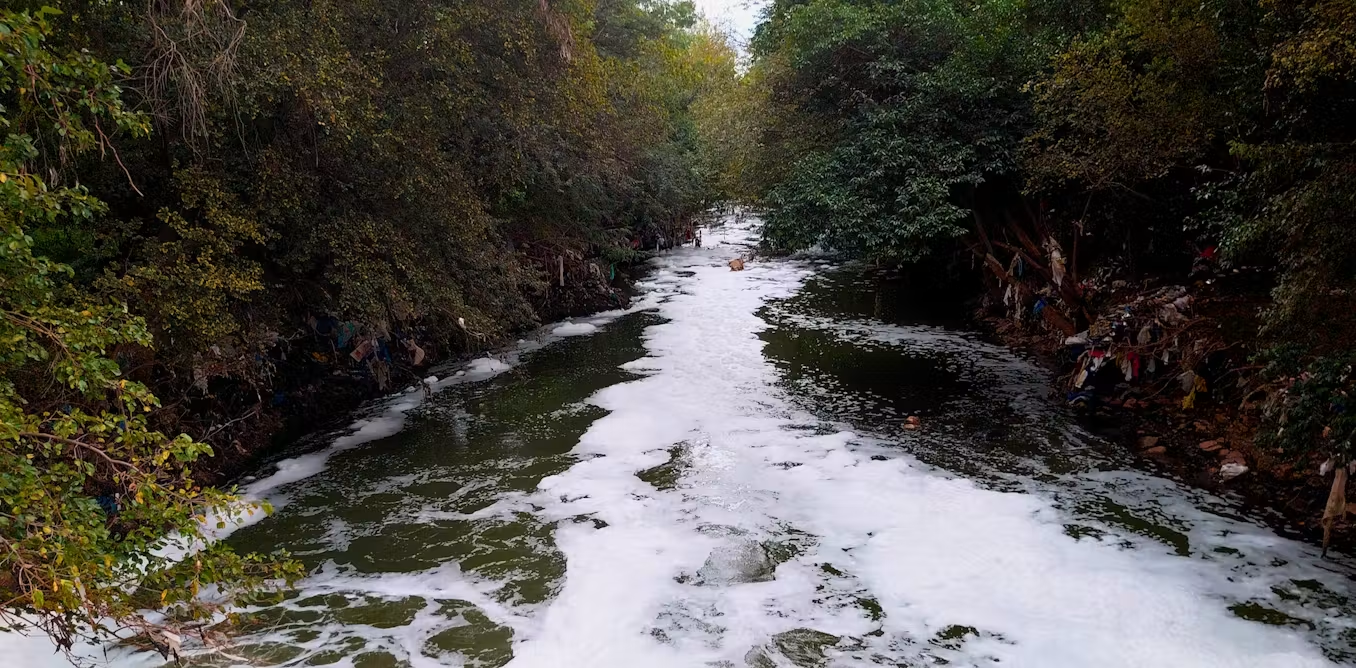
South Africa's water supplies risk becoming reservoirs for antibiotic resistance, researchers say. A study tied to the African Microbiome Project found genetic material carrying antimicrobial resistance persisted in treated sewage released into the environment, creating a pathway for resistance to re-enter communities.
Antimicrobial resistance, already blamed for an estimated 1.27 million deaths annually, hits Africa hardest. Public-health efforts have concentrated on hospitals and clinics where antibiotic pressure is greatest, but the new analysis highlights environmental routes that are receiving less attention. Rivers, lakes and wastewater systems collect bacteria, drug residues and pollutants, creating conditions where genetic exchange can occur.
The researchers analysed effluent from several wastewater treatment plants in the city of Tshwane and detected extracellular DNA that contained antimicrobial resistance genes even after standard treatment. Some of those genes are associated with resistance to antibiotics of last resort. The presence of this free genetic material matters because environmental microbes can incorporate it, passing resistance on without the original pathogenic bacteria surviving.
The finding does not claim treated wastewater directly causes infections. Instead it demonstrates a mechanism by which resistance genes can survive sewage processing and later appear in drinking water, food production systems or places where people recreate. Similar observations have been reported elsewhere, and some countries are already piloting advanced processes to remove or degrade extracellular DNA.
Standard measures of treatment success focus on lowering viable bacterial counts, a necessary but incomplete metric if DNA-based resistance persists. The study recommends considering advanced treatments such as ultraviolet disinfection, enzymatic degradation, advanced oxidation, ozonation and ultrafiltration membranes, alongside DNA-degrading enzymes. These technologies have been shown to reduce extracellular DNA and limit its potential for gene transfer. Upgrades in South Africa are beginning to follow this trend, with Cape Town incorporating UV treatment in current plant improvements.
Low access to safe water and sanitation, routine discharge of treated effluent into rivers, and reuse of wastewater in agriculture increase exposure pathways in developing countries. Water scarcity and infrastructure challenges in parts of South Africa heighten those risks, making communities more vulnerable to contact with contaminated sources. Detecting extracellular genetic material requires specialised molecular methods, which exist in many laboratories and could be added to monitoring programs as costs fall and capacity grows.
The implications are clear: tackling antibiotic resistance requires expanding focus beyond clinics and hospitals to include water management and environmental monitoring. That will mean adapting treatment technologies, updating surveillance to capture genetic markers, and coordinating policy and practice across public health, water engineering and environmental science to prevent resistance from cycling back into people and animals.