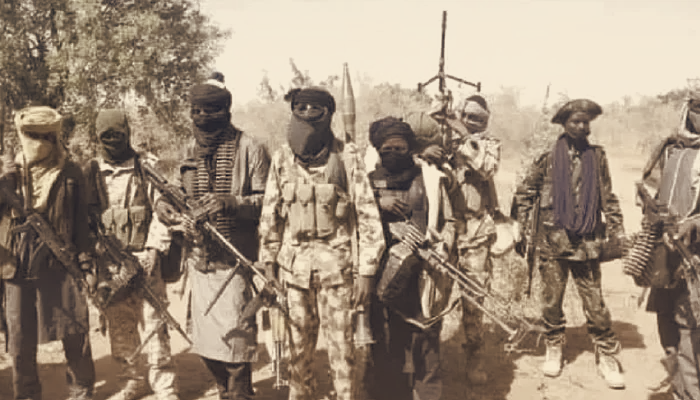

Residents in southern Kaduna have been forced from their homes after attacks by armed bands that sacked not fewer than 100 communities, and other settlements have sought talks to halt the violence. The scale of displacement and the turn to negotiations underline a deep security failure across affected areas.
Accounts gathered from the region describe repeated raids that left communities without shelter and compelled local leaders to negotiate with attackers rather than rely on protection from patrols or state institutions. That choice marks a shift from purely defensive community measures to managed local deals, a pattern that transfers bargaining power to the armed groups.
The immediate consequence is human dislocation. Displaced residents will need shelter, basic services and routes to safety, while host communities face new demands on food, water and local resources. The decision by some communities to enter negotiations also reflects a calculus of survival, prioritising immediate respite over longer-term stability.
At a political level, the wave of attacks and the resulting negotiations expose the limits of current security arrangements in southern Kaduna. When communities turn to armed actors for ceasefires or guarantees, legitimacy and authority shift away from formal institutions, complicating any future effort to reassert state control without fresh incentives or security guarantees.
What happens next will depend on whether state actors, traditional leaders and humanitarian responders can offer alternatives that remove the incentive to negotiate with violence. For now, the displacement of scores of communities and the emergence of negotiated truces mark a dangerous new phase in the violence afflicting Kaduna State.