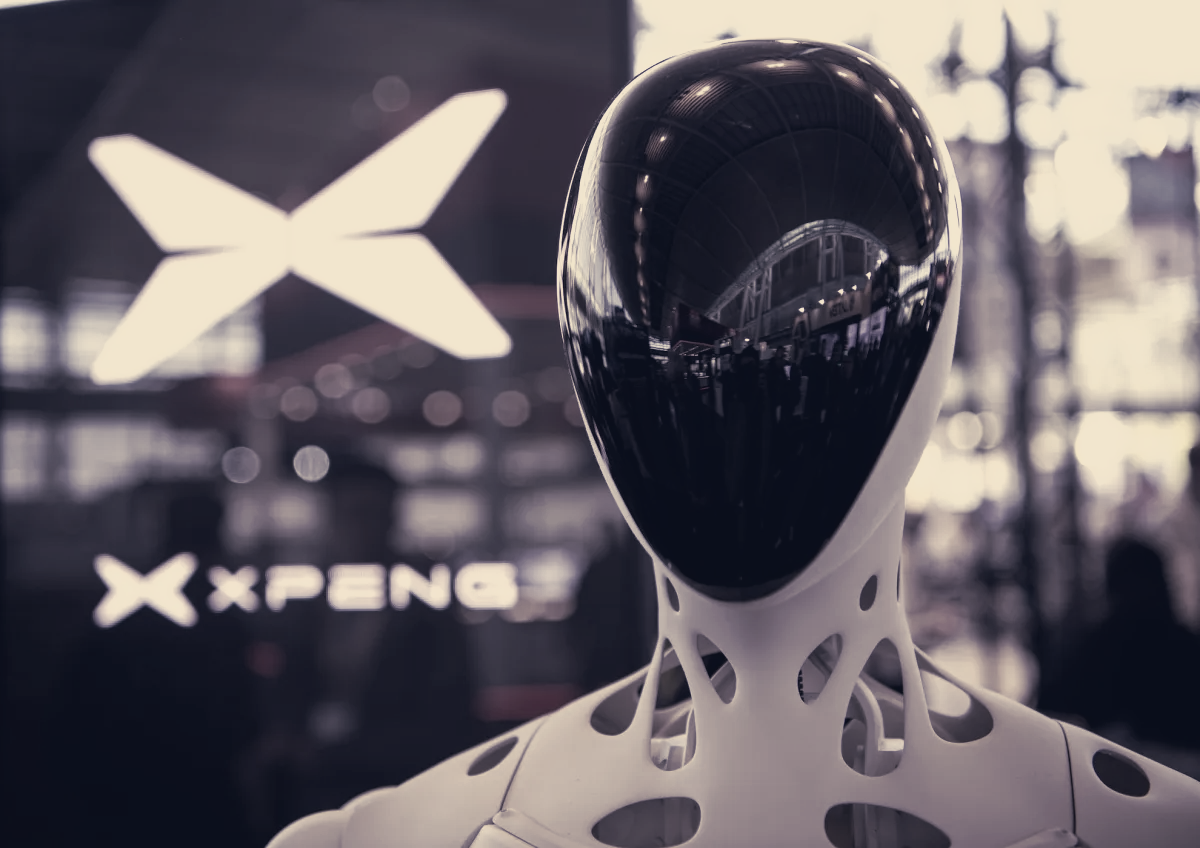

Chinese automakers gain a new strategic play by following Tesla’s bet on humanoid robots, seeking fresh revenue beyond cars.
Technical progress has encouraged a new batch of firms to pursue humanoid platforms, the latest sign that robotics is exiting hype and entering commercial ambition. The central claim is straightforward, companies expect robots to become a profit centre, and that expectation alone reshapes priorities inside major manufacturing groups.
That shift matters because automakers bring scale, supply chains and manufacturing experience to a field that has been dominated by startups and research labs. By treating humanoid robots as a line of business, they change the timeline for productisation, from experimental demos toward repeatable production and distribution. The near-term result will be more industrial attention on engineering for cost, reliability and serviceability, rather than purely academic advances.
For competitors and customers, the entry of established carmakers raises clear questions about market structure. If automakers can turn robotics into a mass-market product, the prize is significant: a new hardware ecosystem with recurring software and service revenue. If they cannot, the detour will consume management focus and capital at a time when margins in the auto sector are already under pressure.
What happens next depends on two tests. First, whether humanoid platforms can demonstrate use cases that customers will pay for at scale. Second, whether companies can produce robots at prices that match those use cases. Success will attract further investment and accelerate consolidation. Failure will relegate humanoid projects to laboratories and leave the core auto business as the main profit engine.
Either outcome reshapes strategic bets inside China’s auto industry. The current wave of entrants signals confidence that technical progress has finally opened a path to profit, but the market will only reward those who turn promise into paying customers.