Rural communities in Cunene Province are losing their working-age members as prolonged drought forces hundreds of households to travel into neighbouring Namibia for water and food. Amnesty International’s field reporting describes villages stripped of most able-bodied people, with older residents left behind to manage dwindling supplies and failing livelihoods.
“There is real hunger and thirst here; that’s why the village has become depopulated,” said Nghikembua, a Cunene resident quoted by Amnesty in 2021. He told investigators that nearly all the able-bodied members of his community had departed, leaving only older people.
The scale and vulnerability of the province help explain why households are relocating. Cunene is home to more than 1.8 million people, roughly 75% of whom live in rural areas and depend on pastoralism and subsistence farming. Amnesty’s researchers link those outflows to long-term environmental decline. Victor Nyamori, a researcher for the organisation, said, “Southern Angola has experienced repeated severe droughts, extreme heat and environmental degradation for quite a number of years, leaving families without water, crops, or livestock.”
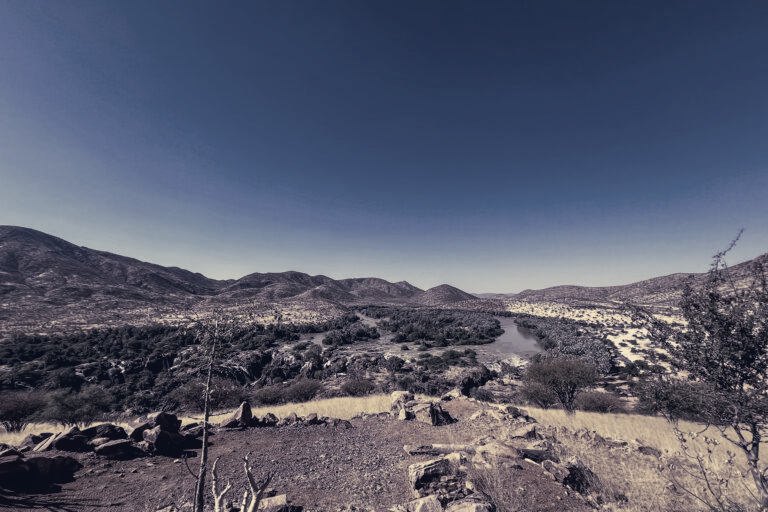
The report finds that about 30% of the area has been degraded by desertification, shrinking the resource base that supports pastoral and farming livelihoods. Between 2023 and 2024 a strong El Niño event produced what Amnesty describes as the most severe drought in more than a century for the region, and the recent wave of departures follows that shock.
Nyamori also contrasted Angola’s experience with Namibia’s, noting that although Namibia suffered drought as well, its government rolled out measures intended to protect food security and maintain access to water. Those actions appear to be a factor in why Cunene households head across the border, but the movement shifts pressure and needs onto neighbouring communities and services.
Amnesty’s documentation frames seasonal migration in Cunene not as a temporary coping tactic but as a forced response to collapsing livelihoods. The immediate impact is the loss of labour and local knowledge in communities already weakened by land degradation, which undermines prospects for recovery if rainfall returns.
Recovery will hinge on weather and policy. If rains do not replenish water sources, or if neither Angola nor international aid delivers targeted resilience and relief, families in Cunene face prolonged insecurity over water, crops and livestock and a deeper erosion of rural economies and social structures.